

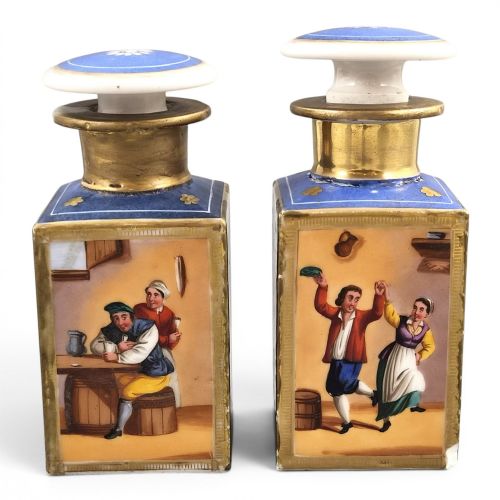


Antique Blue Scent Bottles
These antique blue scent bottles bring tactile colour and historic craftsmanship to dressing tables through vibrant glass and precious metal mounts.
Antique Blue Scent Bottles
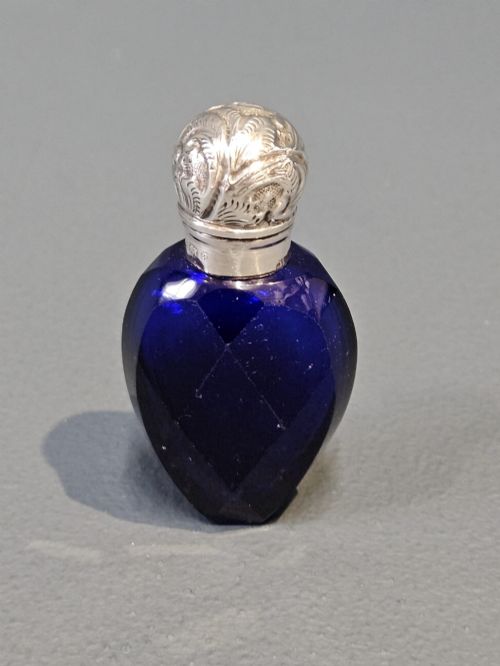
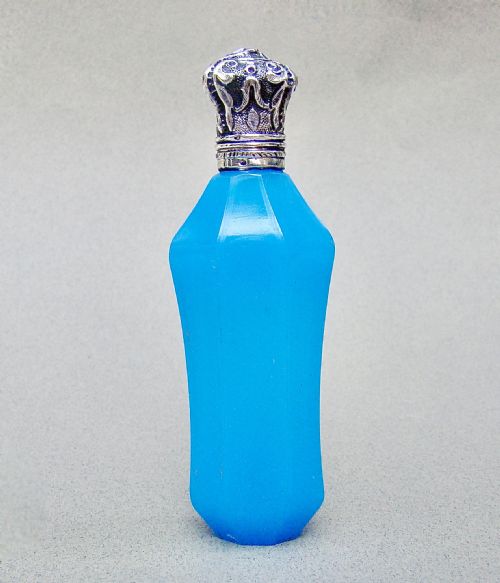
These antique blue scent bottles span utilitarian pocket vessels and decorative dressing table pieces produced across the nineteenth and early twentieth centuries. When exploring antique blue scent bottles, buyers encounter diverse forms ranging from Victorian opaline glass containers with sterling silver caps to Art Deco moulded glass flacons.
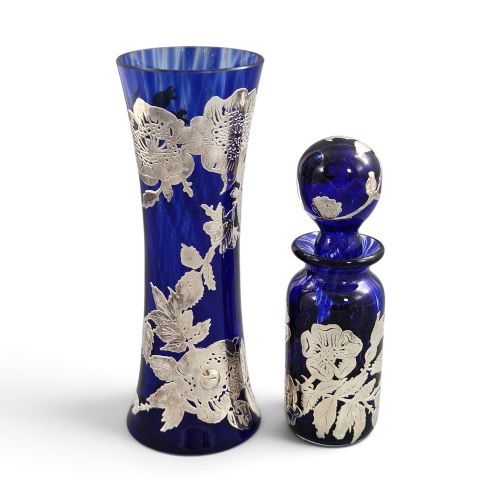
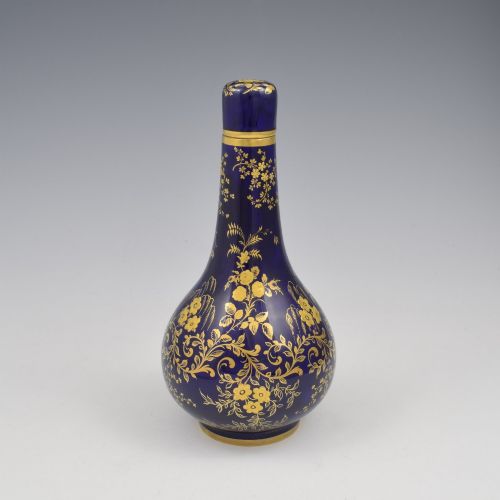
Makers utilised rich cobalt, turquoise, teal, and pale opalescent shades, often combining the blue body with contrasting silver, enamel, or gold leaf details. Pieces emerge from English, French, and continental workshops, reflecting shifts in taste from Regency porcelain sprinklers to twentieth-century pressed glass designs.
How they were made
Glassmakers shaped vessels through blowing, cutting, or moulding, employing cased or layered glass techniques to build depth of colour. Silversmiths and metalworkers added hinged caps, collars, and chatelaine mounts, frequently incorporating intricate repoussé decoration or guilloche enamel.
Porcelain examples combined slip casting or throwing with hand-painted scenes and gilded accents, while specialised makers applied delicate murrine patterns or interior miniature painting to tiny containers.
Antique Blue Scent Bottles Retail Price Guide 2026
Typical asking prices for blue scent bottles among the pieces listed under this phrase on Sellingantiques today, from the lower quarter to the upper quarter. They describe what is for sale here now, not the wider market.
Listings feature items spanning from Georgian enamel boxes to 1930s opalescent glass.
What varies in quality
The refinement of the glass body and the precision of the metal mounts determine the standing of an individual piece. Superior examples display crisp wheel-cutting, unblemished enamel work, and well-fitted silver closures that retain their original hallmarks or maker marks.
Artistic execution dictates distinction among moulded and blown works, where sharper relief moulding, intentional colour gradients, and detailed hand-finishing separate standard production from master craftsmanship.
Rene Lalique·Sabino·Flight Barr And Barr·Jacob Petit·Franchini And Bigaglia
The Antique Blue Scent Bottles Glossary
- Opaline glass
- A semi-translucent art glass developed in nineteenth-century France, prized for its milky pastel and turquoise tones.
- Guilloche enamel
- A decorative technique where translucent enamel is layered over precisely engraved engine-turned metal.
- Chatelaine
- A decorative belt hook worn with suspended chains holding useful household items including miniature scent containers.
- Murrine
- Coloured glass cane slices fused together in patterns, famously utilised by Venetian glassmakers.
- Overlay glass
- A vessel constructed from multiple fused layers of contrasting glass colours, partially cut away to reveal the base shade.
Antique Blue Scent Bottles: Frequently Asked Questions
How do I clean an antique scent bottle?
Gently wipe glass and metal surfaces with a dry or barely damp soft cloth to protect delicate enamels and historic silver mounts.
Avoid submerging pieces with cork stoppers or paper linings in water to prevent structural damage.
Are these bottles safe for modern perfume?
Most antique containers serve best as decorative display items rather than daily functional perfume dispensers due to fragile historic stoppers and seals.
Residue from ancient contents can also react with modern synthetic fragrances if liquid is stored inside.
How can I identify Victorian pieces?
Victorian examples frequently pair deep teal or opaline glass with heavy sterling silver hinged caps carrying period Birmingham or London assay marks.
Stylistic cues include naturalistic floral engraving and robust proportions suited for pocket or chatelaine use.
What defines Art Deco scent bottles?
Twentieth-century Art Deco versions lean toward geometric or stylised nature motifs, often utilising opalescent pressed glass signed by makers such as Lalique or Sabino.
These pieces typically omit heavy metal mounts in favour of moulded glass stoppers designed as butterflies, flowers, or abstract forms.