
Antique Blue Jewellery
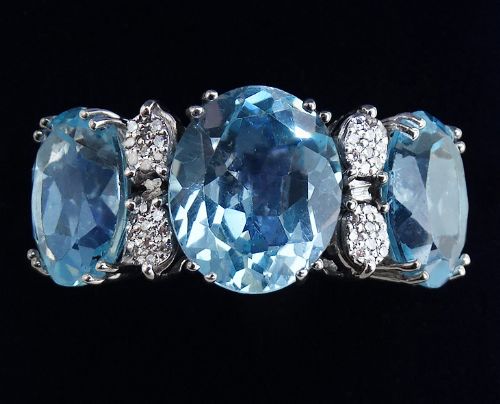
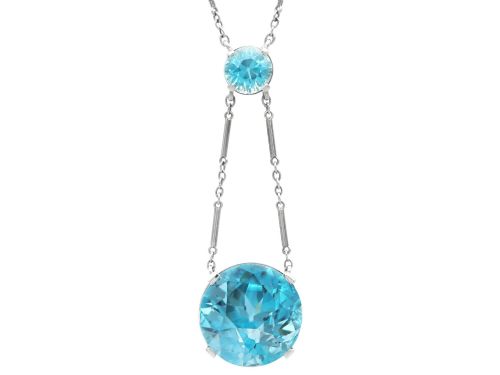
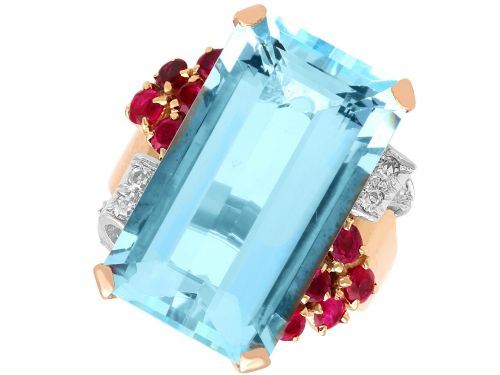
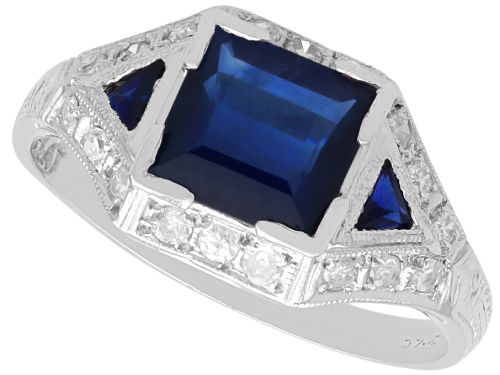
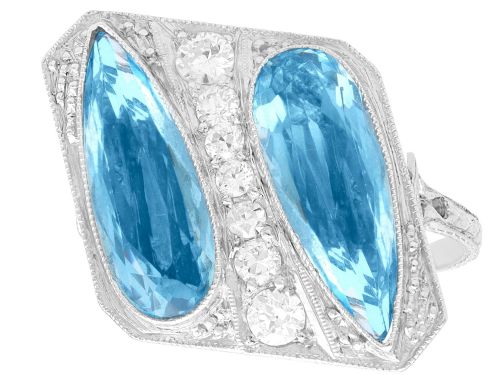
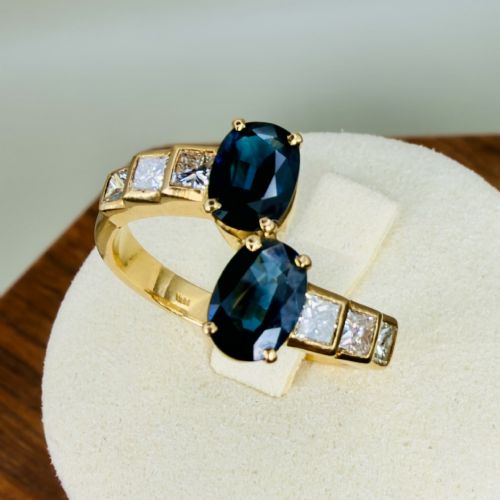
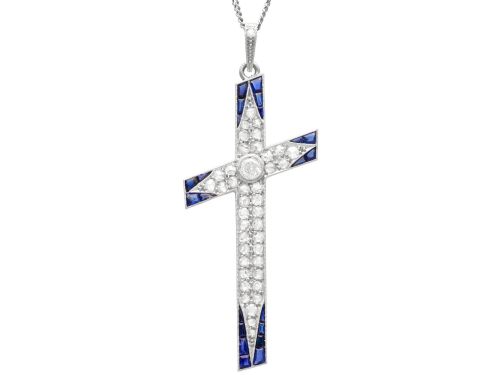
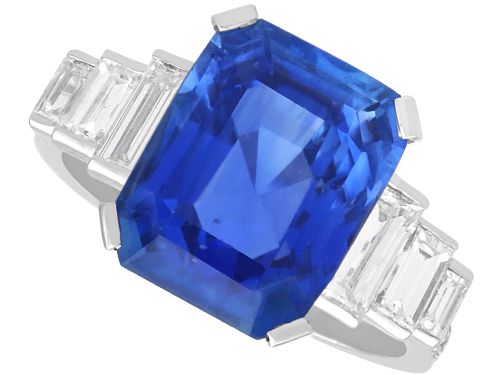
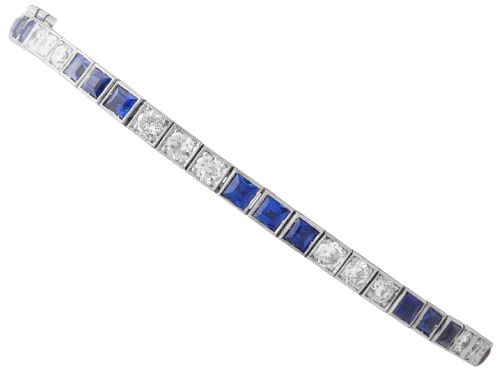
Antique blue jewellery encompasses rings, pendants, bracelets and brooches featuring sapphires, zircons, aquamarines and enamel set in gold, platinum and silver.
Antique Blue Jewellery
When buyers search for antique blue jewellery, they encounter pieces spanning from the nineteenth century through the Edwardian, Art Nouveau and Art Deco periods to the mid-twentieth century. The selection on this page centres heavily on rings, pendants and line bracelets adorned with blue stones.
Materials and construction methods
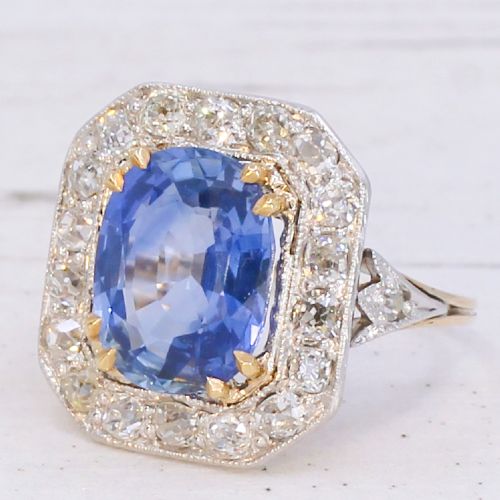
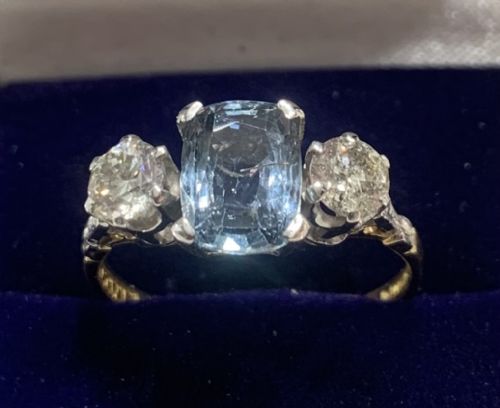
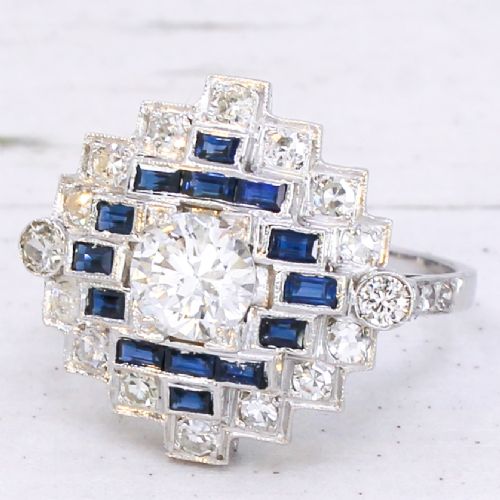
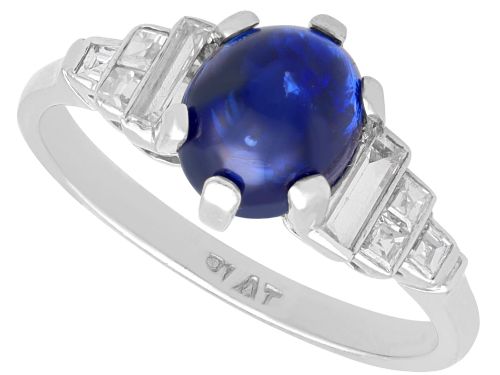
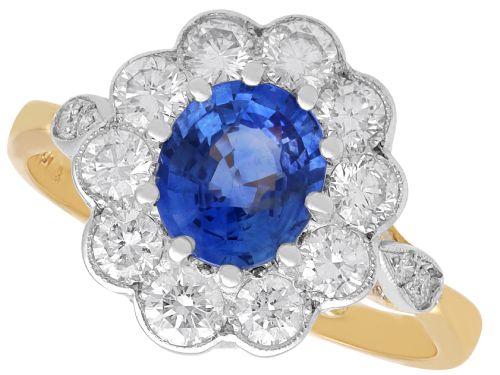
The construction of these pieces relies on precious metals such as platinum, 18ct gold and silver, often paired with diamonds to frame the central blue stones. Jewellers utilised yellow gold and white gold alongside platinum settings to mount sapphires, zircons and aquamarines securely.
Enamel work appears frequently, including guilloche enamel techniques on silver and gold grounds for pendants and brooches. Stones are typically set in clusters or lines, using claw settings or millegrain edges characteristic of Edwardian and Art Deco workmanship.
Several pieces incorporate butterfly wings beneath glass, capturing iridescent blue tones from nature inside silver frames.
Quality factors in blue pieces
The quality of antique blue jewellery rests on the depth and saturation of the blue stones, whether unheated sapphires, Ceylon stones or bright zircons, balanced against the cut and clarity of accompanying diamonds. The precision of metalwork, particularly the delicacy of platinum claw settings and fine millegrain decoration, dictates the standard of execution.
Condition of the enamel, integrity of the stone settings and originality of the mounting also determine the standing of a piece. Finer examples display harmonious proportions between the central blue gems and their diamond surrounds, alongside intact hallmarks or original clasps.
Archibald Knox for Liberty·Murrle Bennett·David Andersen Norway·Marius Hammer
The Antique Blue Jewellery Glossary
- Cluster ring
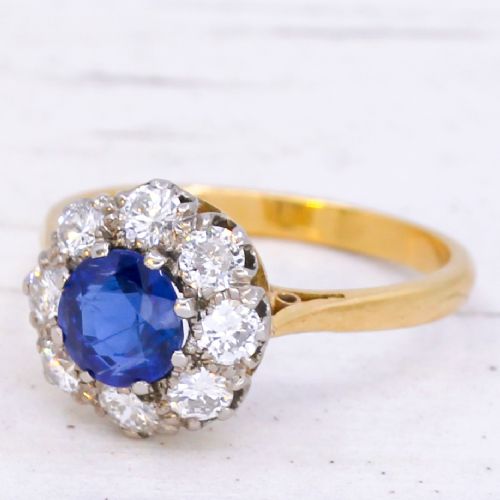
- A ring featuring a central stone surrounded by a border of smaller gems, typically diamonds encircling a sapphire.
- Guilloche enamel
- A decorative technique where transparent enamel is layered over engine-turned metal engraving to create a repeating pattern beneath the blue colour.
- Millegrain
- A jeweller technique creating a textured edge of tiny raised metal beads along the borders of settings.
- Zircon
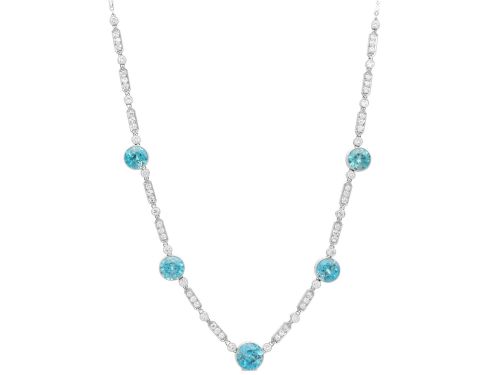
- A natural gemstone occurring in vivid blue shades, frequently utilised in twentieth-century rings and drop earrings.
- Paste
- Hand-cut glass used as a substitute for gemstones in period jewellery.
Antique Blue Jewellery: Frequently Asked Questions
What periods do these pieces come from?
The inventory spans the Victorian, Edwardian, Art Nouveau and Art Deco eras, extending into the mid-twentieth century. Pieces reflect the prevailing design aesthetics of their respective decades.
Earlier items often feature yellow gold and turquoise or enamel, while later twentieth-century examples frequently utilise platinum and bright sapphires in geometric cluster arrangements.
How do I care for antique enamel jewellery?
Enamel requires careful handling because it is essentially fused glass applied to metal. Avoid harsh chemical dips, ultrasonic cleaners and abrasive cloths that can scratch the surface.
Store pieces individually in soft pouches to prevent scratching against other items, and clean gently with a damp microfibre cloth when necessary.
What is the difference between a sapphire and a zircon?
Sapphires are durable corundum gemstones prized for their rich blue tones and historical use in royal and fine jewellery. Blue zircons are natural stones known for strong brilliance and high refractive index.
Both appear frequently in antique settings, though zircons often display a distinct bright sparkle characteristic of twentieth-century cocktail rings.
Can I wear an antique ring every day?
Many antique rings, particularly platinum and gold cluster rings from the Edwardian and Art Deco periods, are sturdy enough for regular wear. However, older settings require periodic checks by a jeweller to ensure claws remain secure.
Delicate pieces such as Victorian foil-backed stones or enamel items benefit from being reserved for occasional wear to protect them from moisture and impact.