


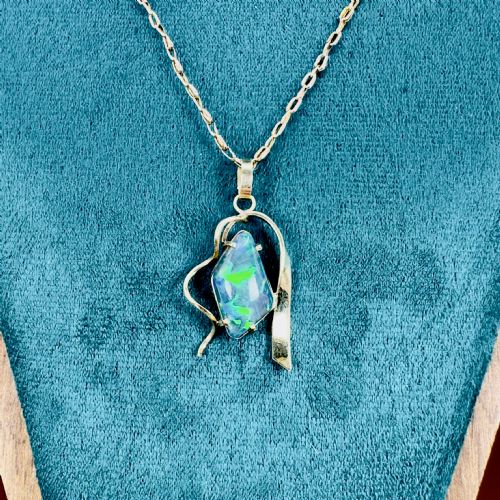


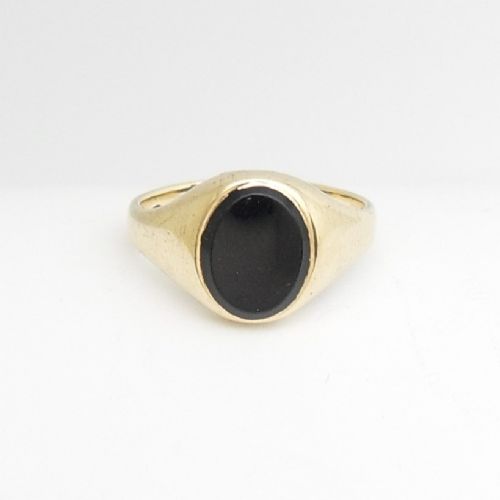


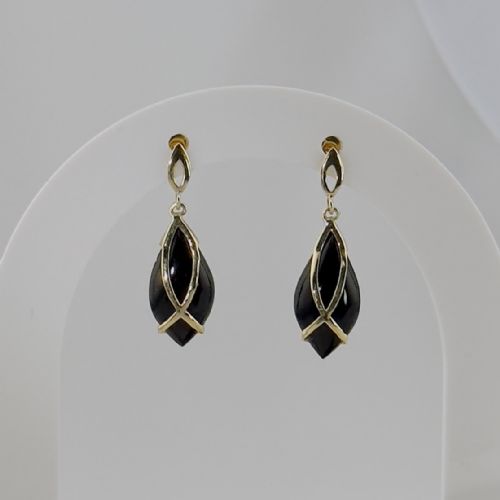


Antique Black Gemstone Jewellery
Antique black gemstone jewellery offers deep monochrome contrast, bringing dark stones like onyx and jet into silver and gold settings.
Antique Black Gemstone Jewellery
Antique black gemstone jewellery encompasses rings, earrings, pendant necklaces, bracelets, and brooches created across several distinct eras. When exploring antique black gemstone jewellery, pieces span Edwardian designs and the geometric motifs of the Art Deco period, alongside mid-century creations.
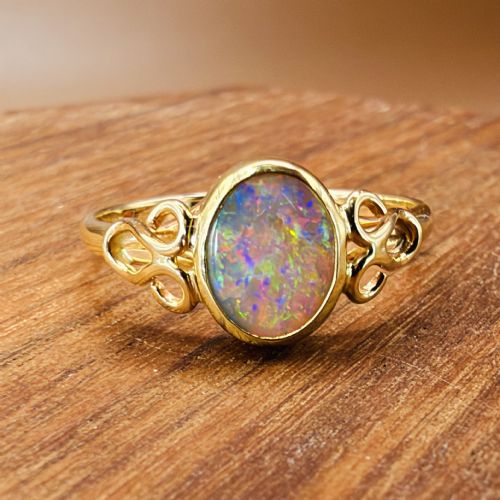
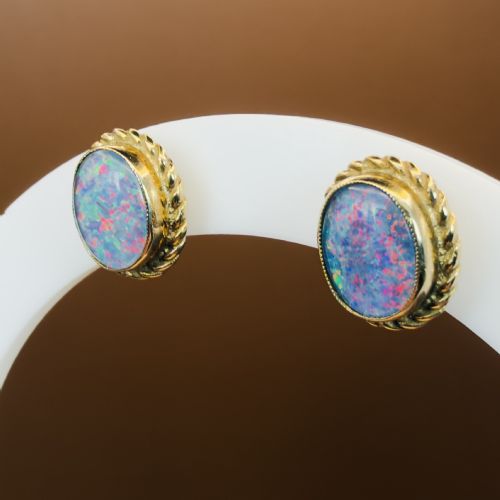
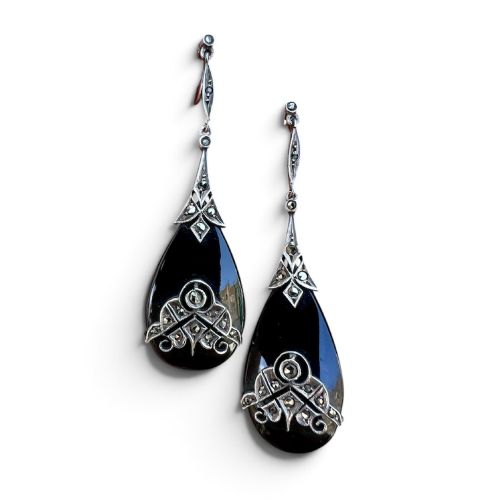
The materials paired with dark stones include silver, platinum, white gold, and yellow gold, often enhanced with diamonds, marcasite, or colourful accents like opal and coral. Buyers frequently encounter onyx as the primary dark stone, shaped into teardrops, geometric settings, and pierced filigree work.
How these pieces were made
Goldsmiths and silversmiths utilised precious metals such as platinum, 18ct gold, white gold, and silver to house dark stones like onyx and banded agate. Settings range from bezel mounts to intricate pierced filigree work.
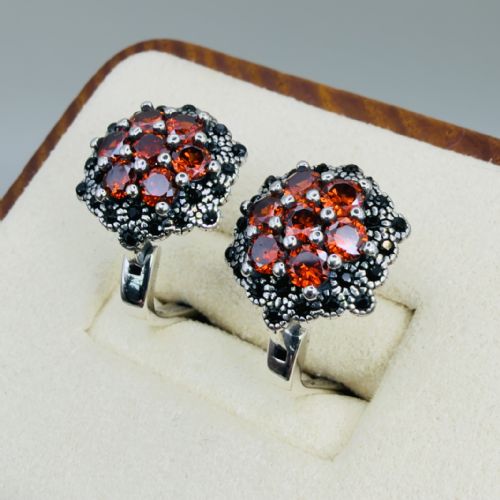
Many examples incorporate supplementary elements, combining marcasite chips, rock crystal quartz, or old cut diamonds to accentuate the dark centre stones through contrasting textures and brilliance.
Antique Black Gemstone Jewellery Retail Price Guide 2026
Typical asking prices for black gemstone jewellery among the pieces listed under this phrase on Sellingantiques today, from the lower quarter to the upper quarter. They describe what is for sale here now, not the wider market.
Listings span the Edwardian era alongside the 1920s, 1930s, 1940s, 1950s, and 1960s, using onyx, banded agate, silver, gold, and platinum.
What varies in quality
The sophistication of the metalwork and the precision of the stone setting dictate the upper tier of these pieces. Hand-pierced filigree and complex geometric platinum mounts demonstrate superior craftsmanship compared to simpler production methods.
The Antique Black Gemstone Jewellery Glossary
- Onyx
- A chalcedony quartz variety displaying a uniform dark tone, frequently utilised in Art Deco rings and brooches. It provides a smooth, light-absorbing surface.
- Filigree
- Delicate metalwork formed from fine threads soldered together in openwork patterns. This technique appears in silver and gold bracelets and mounts.
- Marcasite
- Small faceted pyrite stones polished and set close together to resemble shimmering steel. They add sparkle to silver evening pieces.
- Doublet
- A composite stone made of two joined sections, often pairing a thin slice of precious material with a supportive base. These appear in pendant necklaces.
Antique Black Gemstone Jewellery: Frequently Asked Questions
What periods do these pieces date from?
The available selection spans from the Edwardian era through the Art Deco period of the 1920s and 1930s, extending into mid-century decades like the 1950s and 1960s.
Design characteristics shift accordingly, moving from flowing Edwardian motifs to the sharp geometric lines typical of Art Deco work.
Which metals appear most often?
Silver, platinum, white gold, and yellow gold form the primary structural metals for these dark stone designs.
Makers matched the metal choice to the era, pairing platinum and white gold with Art Deco stones while utilising yellow gold in Edwardian and mid-century items.
Are other stones mixed with the black gems?
Diamonds, marcasite, rock crystal quartz, coral, and opals frequently accompany the dark stones in these listings.
These additions introduce contrasting brilliance and colour, enhancing the visual depth of rings, brooches, and necklaces.
How should I care for antique gemstone pieces?
Gentle cleaning with a soft cloth preserves the integrity of both the soft metals and the dark stones.
Harsh chemical dips and ultrasonic cleaners risk damaging delicate filigree settings and composite stones like doublets.