
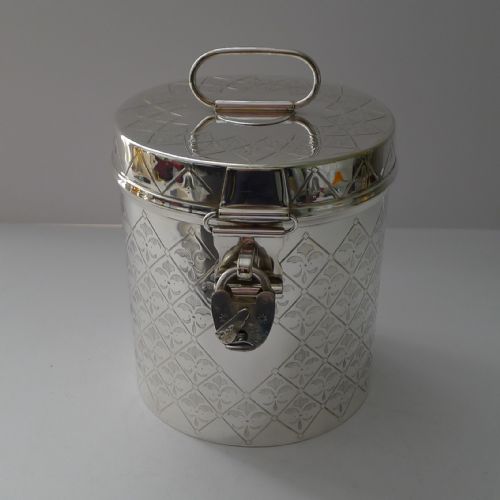


Antique Biscuit Tin
These antique biscuit tin examples are functional containers holding dry baked goods, valued for their decorative forms and historical craftsmanship.
Antique Biscuit Tin
An antique biscuit tin is a metal or silver plated container designed to store biscuits and dry goods, emerging in various domestic forms during the Victorian and Edwardian eras. Buyers looking for an antique biscuit tin encounter pieces ranging from utilitarian storage to whimsical novelty designs shaped like satchels, books, weights, and hat boxes.
The selection includes silver plated biscuit barrels with glass liners alongside lithographed metal and lithographed tinplate boxes produced by major biscuit manufacturers. These containers reflect late nineteenth century and early twentieth century social habits, capturing a period when biscuits transitioned from a luxury item to an everyday household staple.
What varies in quality
Quality rests in the precision of the manufacturing and the complexity of the novelty form, distinguishing standard utilitarian containers from bespoke presentation pieces. Finer examples display crisp lithography, substantial silver plating thickness, and intact original glass liners or fitted locking mechanisms.
The reputation of the maker and the intricacy of the decorative motifs drive the distinction between ordinary production items and scarce collector pieces. Well executed novelty shapes exhibit realistic detailing that transcends simple sheet metal construction.
Listings feature periods from the 1860s through the 1920s, including Victorian and Edwardian examples.
Mappin and Webb·Huntley and Palmers·William Crawfords and Son Ltd·Peek Frean and Co·John Grinsell and Sons·Martin Hall and Co
The Antique Biscuit Tin Glossary
- Biscuit barrel
- A cylindrical or container vessel with a fitted lid used for serving biscuits at the dining table. They frequently incorporate a ceramic or glass liner to keep contents dry.
- Lithographed tinplate
- Sheet iron or steel coated with tin and decorated using a planographic printing process. This technique enabled mass production of colourful designs and simulated textures directly on the metal surface.
- EPNS
- Electroplated nickel silver, a common base metal alloy coated with a thin layer of silver. It provided the appearance of solid silver at a lower manufacturing cost.
- Novelty tin
- A container shaped to imitate a completely different object, such as a book, piece of luggage, or household weight. These pieces were often produced for specific commercial promotions or festive seasons.
Antique Biscuit Tin: Frequently Asked Questions
What is an antique biscuit tin?
An antique biscuit tin is a lidded container created to store and serve dry baked goods in the home. They range from silver plated glass lined barrels to printed metal boxes shaped like everyday objects.
Production spanned the Victorian and Edwardian periods, evolving from simple dining table accessories into clever commercial packaging by major food manufacturers.
How were biscuit tins used?
These containers were kept in sitting rooms or dining rooms to hold biscuits for family members and visiting guests. The tight fitting lids helped protect the baked goods from moisture.
Some versions served as display pieces on sideboards, while others functioned as portable storage or promotional items distributed by bakers.
Are antique biscuit tins marked?
Many silver plated examples feature maker marks, retailer stamps, or silver plate quality indicators stamped onto the base or rim. Tinplate boxes often display lithographed manufacturer names and company details directly on the printed surface.
Marks help identify the producing firm and narrow down the manufacturing decade within the Victorian or Edwardian eras.
How do I clean an antique biscuit tin?
Silver plated surfaces require gentle cleaning with a specialised non abrasive silver polish to preserve the metallic finish. Lithographed tinplate should only be wiped gently with a soft dry or slightly damp cloth to protect the printed artwork.
Harsh chemical cleaners and excessive water exposure can damage both the printed surfaces and the underlying base metal.