



Antique Birdcage
When you look for an antique birdcage, you find domestic shelters for pets, clever furniture mechanisms, and crystal chandeliers that share the same distinctive skeletal outline.
Antique Birdcage
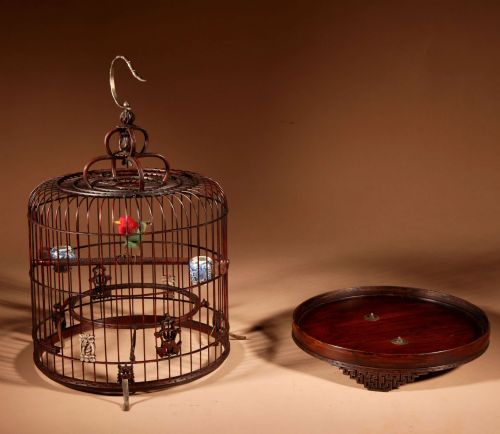
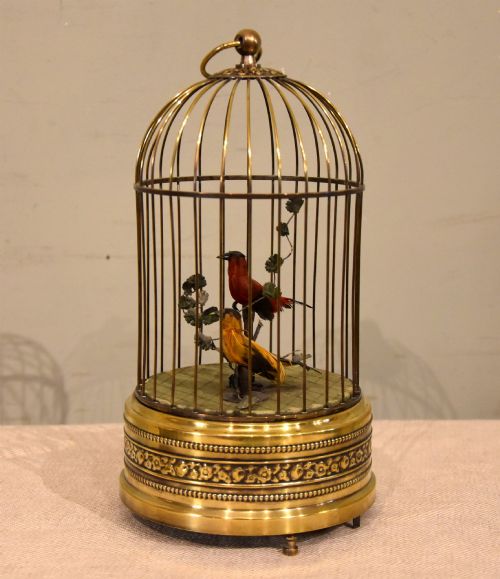
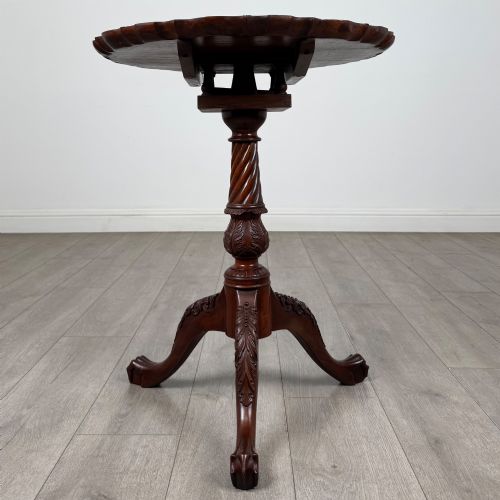
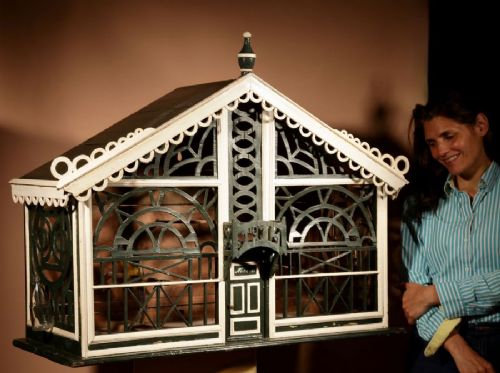
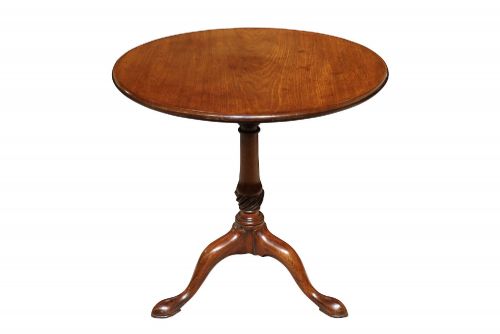
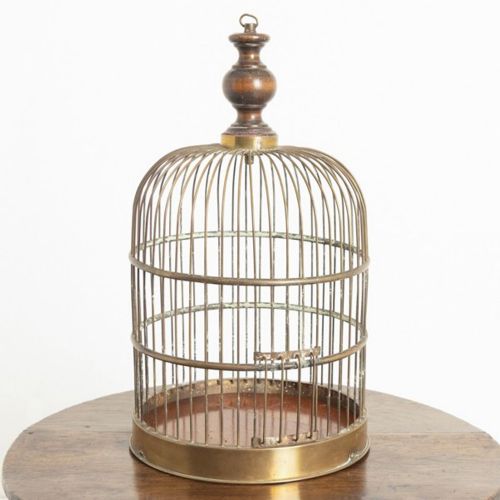
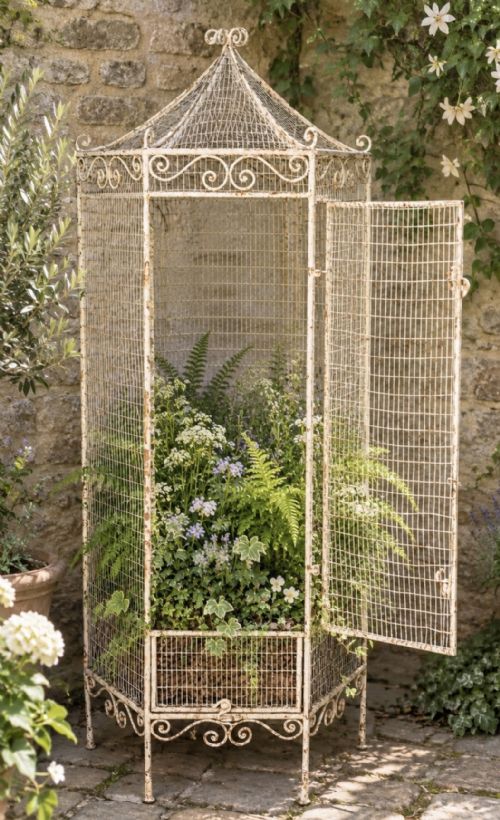
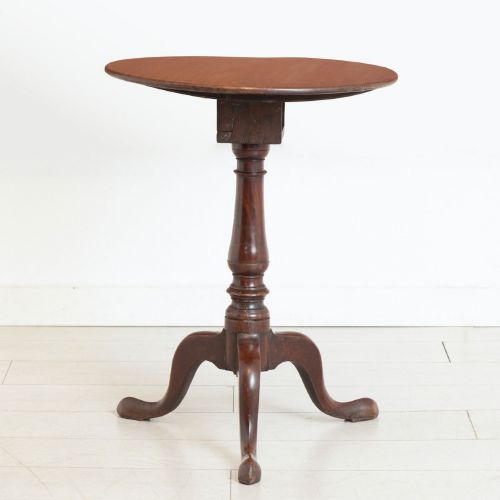
The term antique birdcage spans several entirely different domestic objects, from genuine enclosures for pets to dining tables and hanging light fittings. Real cages intended for housing birds appear in brass, wirework, wood, and bamboo, often shaped with round or architectural domes. In furniture, the phrase describes a wooden pivoting mechanism placed beneath the top of a tripod table.
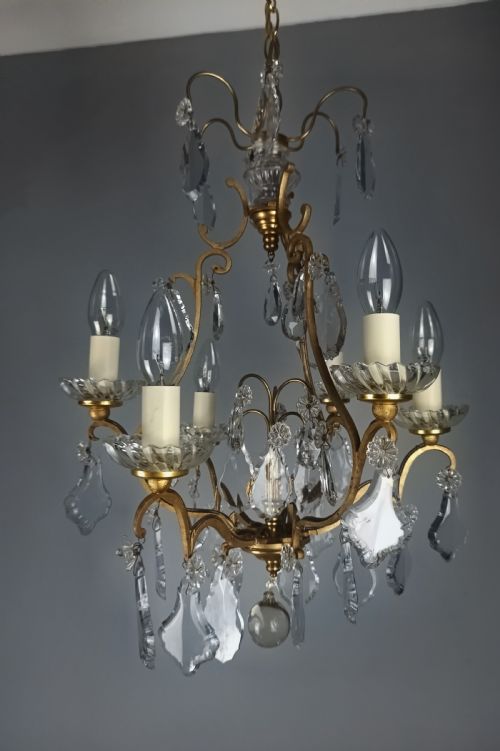
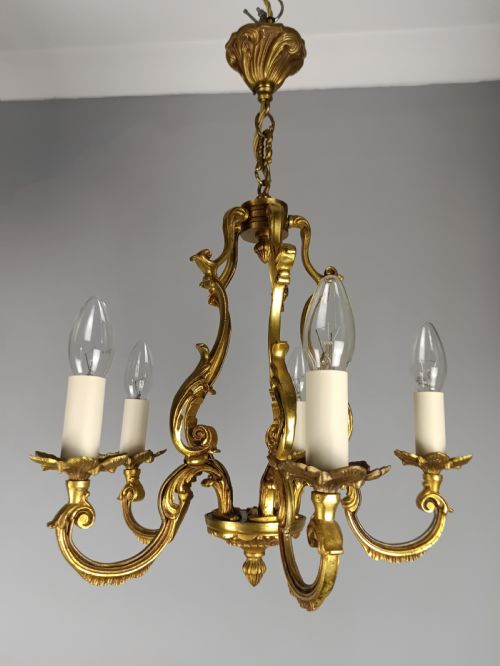
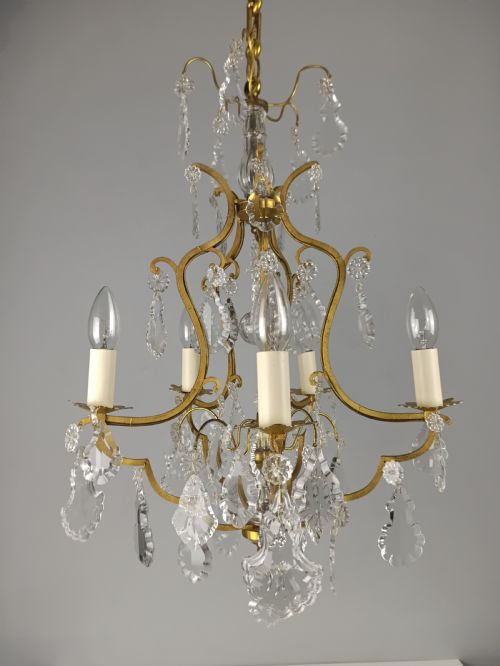
Beyond furniture and pet enclosures, the title also refers to multi-armed chandeliers. These lighting fixtures derive their name from an open metal framework that mimics the silhouette of a hanging aviary. Most examples encountered in daily trade date from the Georgian period through the early twentieth century.
The physical form dictates the function across all surviving types. Small wooden and wire structures served practical keeping purposes, while substantial brass versions accommodated larger exotic birds. Meanwhile, the table mechanisms allowed a tabletop to tilt and rotate simultaneously.
Materials and construction
Makers constructed furniture mechanisms from dense timbers like mahogany, turning the central column on a lathe and joining the pivoting frame with pegged tenons. Metal versions relied on forged iron, copper, and drawn brass wire, soldered or threaded together by hand. Chandeliers combined cast bronze and gilded frames with wired glass crystals.
Carpenters carved tripod tables from single boards of timber where possible, ensuring stable surfaces for the tilting mechanism. For pet enclosures, artisans bent wirework around structural hoops or slotted bamboo canes into precision-drilled bases. Surface finishes ranged from clear wax on timber to applied gilt on metal.
Listings feature items spanning the eighteenth, nineteenth, and twentieth centuries, constructed in mahogany, brass, iron, and glass.
Standards of craftsmanship
Quality rests upon the precision of the joinery in furniture and the regularity of the wire spacing in enclosures. Superior tripod tables exhibit tight joints within the birdcage box and smooth rotation on the central pivot, without lateral wobble. Lesser pieces show loose fits and uneven shrinkage in the secondary timbers.
In hanging light fittings and metal enclosures, the fineness of the cast ornamentation and the security of the soldered joints distinguish finer work from standard production. Chandeliers with intact hand-cut crystal drops and original gilding sit at the upper end of the scale. Plain wirework and heavy, unrefined brass castings represent more utilitarian standards.
JOHN SPERSHOTT OF TETCHFIELD·WINDMILLS AND BENNET·SAMUEL TINHAM·PETER CLOSON·JOHN WALLER·KARL GRIESBAUM
The Antique Birdcage Glossary
- Birdcage mechanism
- A wooden framework of two parallel boards connected by four upright pillars that sits atop a tripod table base. This assembly permits the tabletop to tilt vertically and rotate horizontally.
- Tilt top
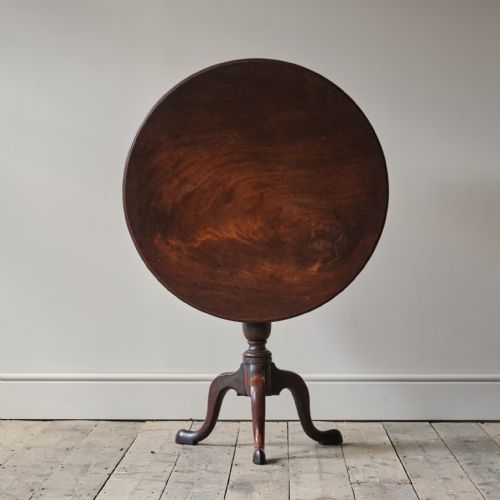
- A tabletop design hinged to fold flat against the support column when not in use. It saved valuable floor space in smaller domestic rooms.
- Tripod table
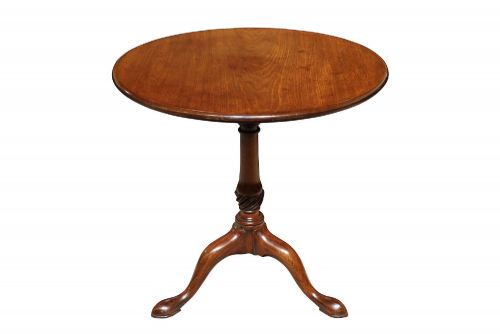
- A small occasional table supported by three legs radiating from a central pillar. These tables frequently incorporated the pivoting block known as the birdcage.
- Piecrust edge
- A carved and moulded tabletop rim shaped with raised curves resembling pastry work. This decorative border appears on select eighteenth-century examples.
- Verge escapement
- An early clock mechanism regulating timekeeping through a crown wheel and pallet foliot. Found in the heritage lantern clocks recorded alongside these listings.
Antique Birdcage: Frequently Asked Questions
What is a birdcage table?
A birdcage table is a small occasional stand featuring a specific wooden pivoting block beneath the top. This block allows the surface to rotate and tilt vertically.
Cabinet makers produced these primarily in mahogany during the Georgian era. They served as wine tables and supper stands.
Why are chandeliers called birdcages?
Large nineteenth and twentieth-century chandeliers gained this descriptive name from their open metal frames. The curved brass or bronze skeleton mirrors the domed profile of an aviary.
These lighting fixtures frequently incorporate rows of glass crystals suspended within the framework.
How do you date an old birdcage?
Dating relies on the materials, fastening methods, and overall style. Early pet enclosures utilise hand-drawn wire and native timbers, while twentieth-century examples show machine-made components.
Table mechanisms use period-specific carpentry joints like hand-cut dovetails and turned wooden pillars that align with eighteenth and nineteenth-century construction.
Were these cages meant for live pets?
Many surviving brass and wooden structures were built specifically to house domestic birds like parrots and singing finches. Some featured removable trays for cleaning.
Others functioned purely as decorative objects or architectural ornaments for grand interiors.