




Antique Beverage Pots
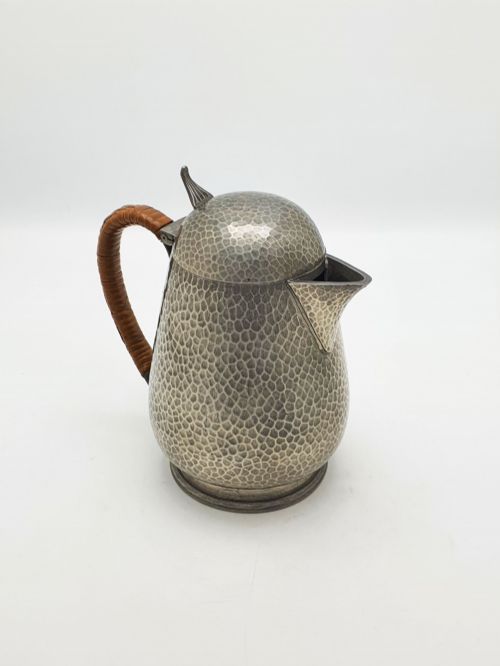
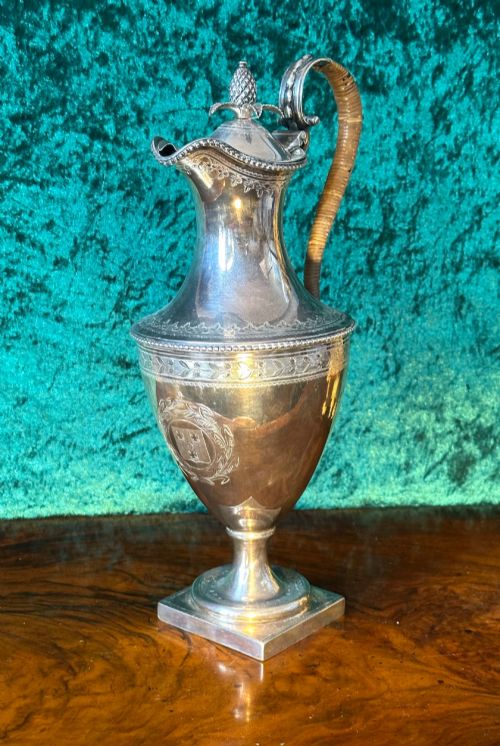
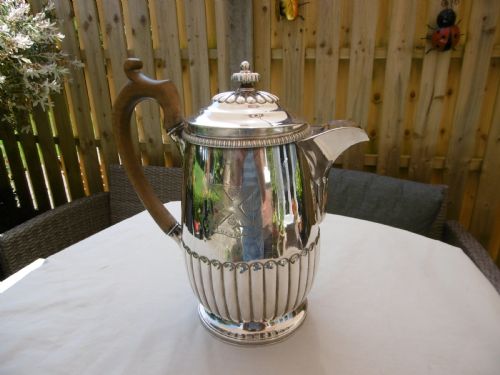
These antique beverage pots bring the heavy metal and warm timber of past centuries straight to the table, offering practical vessels for morning service.
Antique Beverage Pots
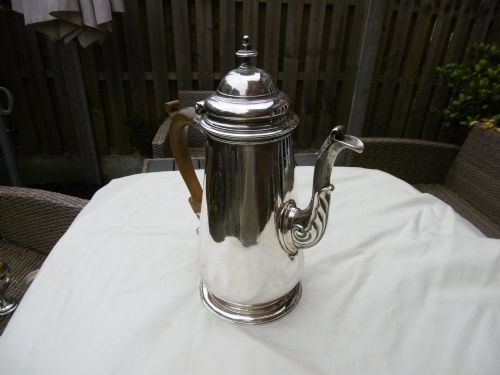
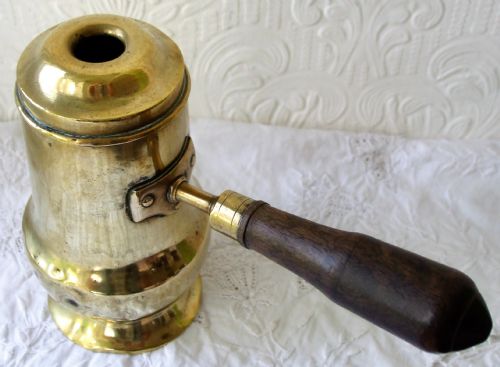
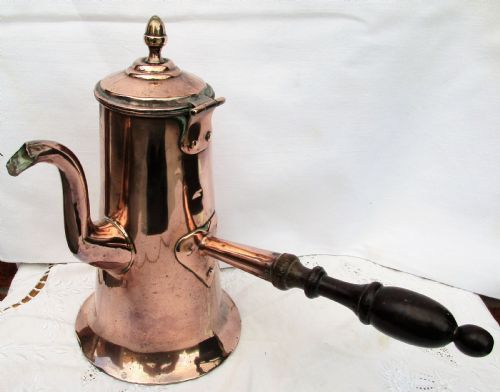
When you search for antique beverage pots, you encounter a varied selection of vessels intended for hot liquids, ranging from chocolate pots to large coffee urns. The assortment spans multiple centuries, with Georgian and 19th Century examples forming a substantial part of the selection alongside Edwardian pieces.
Forms include side-handled pots, ewers, and tall urns created for domestic service. You will find sterling silver and Old Sheffield Plate alongside brass, copper, pewter, and occasional wooden or bone details.
The styles shift from formal Georgian silver to decorative Victorian Rococo Revival and the functional lines of the Arts & Crafts movement. These items bridge formal dining rooms and country kitchens across different eras.
Distinguishing quality
The distinction between standard examples and superior pieces rests on the weight of the metal and the crispness of chased or engraved crests. Heavy gauge silver and well-balanced handles demonstrate superior craftsmanship during manufacture.
Maker marks and hallmarks add historical substance, pointing directly to established workshops and identifiable silversmiths. The survival of original elements, such as cane wrapping or fitted lids, maintains the integrity of the piece.
Antique Beverage Pots Retail Price Guide 2026
Typical asking prices for beverage pots among the pieces listed under this phrase on Sellingantiques today, from the lower quarter to the upper quarter. They describe what is for sale here now, not the wider market.
Some chocolate pots include a tiny removable lid insert, designed strictly for the wooden stick that kept the hot cocoa from settling.
Richard Gurney·Matthew Boulton·Harrison Brothers & Howson
The Antique Beverage Pots Glossary
- Old Sheffield Plate
- A method of fusing a thin sheet of silver to a thicker copper core by heat and pressure. This technique was widely used before electroplating became common in the nineteenth century.
- Chocolate pot
- A specialised vessel featuring a removable lid finial or aperture designed for a stirring rod to mix hot chocolate. These containers often match the height of coffee pots but serve a richer drink.
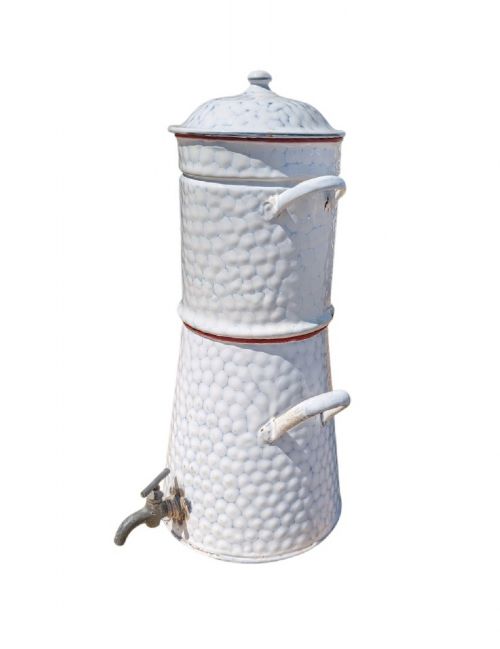
- Coffee urn
- A large standing metal vessel fitted with a spigot at the base for dispensing hot water or coffee. These pieces often feature handles and sit on decorative pedestals.
- Hallmark
- An official stamp applied to precious metals indicating the standard of purity, the assay office, and the date letter. British silver pieces carry these marks to verify their origin.
- Ewer
- A large jug with a flared spout and a curved handle, traditionally used for holding water or wine. In domestic contexts, these forms sometimes double as tall coffee service vessels.
Antique Beverage Pots: Frequently Asked Questions
How do I clean an antique silver pot?
Use a soft cloth and a gentle, non-abrasive polish specifically formulated for silver. Avoid harsh scrubbing that can wear down thin plating or antique hallmarks.
Wash thoroughly in warm soapy water and dry immediately with a lint-free cloth to prevent spotting.
Can I use these pots for serving coffee?
Many of these vessels remain physically capable of holding hot liquids, particularly those made of solid silver or heavy copper. Internal cleaning and inspection for secure joints are recommended before actual use.
Silver plated and pewter items may require more caution regarding internal residues and age-related wear.
What is the difference between a coffee pot and a chocolate pot?
Chocolate pots frequently feature a small opening in the lid through which a wooden stick or molinet was inserted to froth the thicker beverage. Coffee pots generally have solid lids designed to retain heat and steam for brewed coffee.
Both forms appear across Georgian and Victorian dining services.
How do I date an antique metal pot?
Examine the base and handle mounts for stamped hallmarks, maker marks, or registration numbers. Hallmarks on British silver provide precise assay office locations and specific year letters.
Construction methods, such as hand-beaten seams or fused plating layers, also indicate the manufacturing period.