

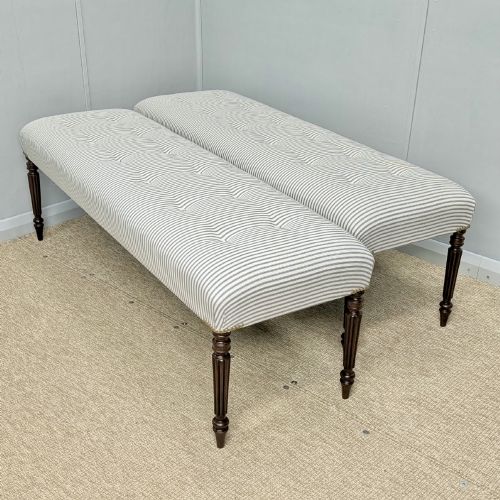
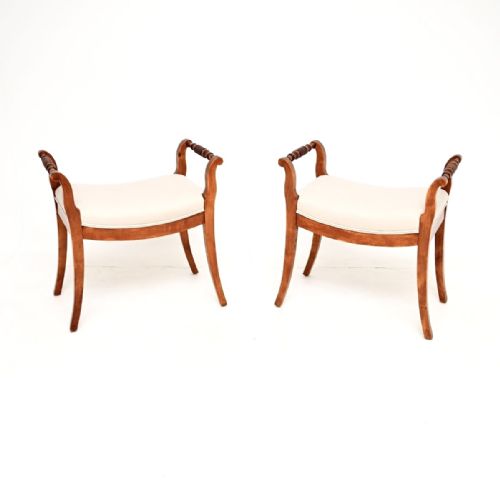
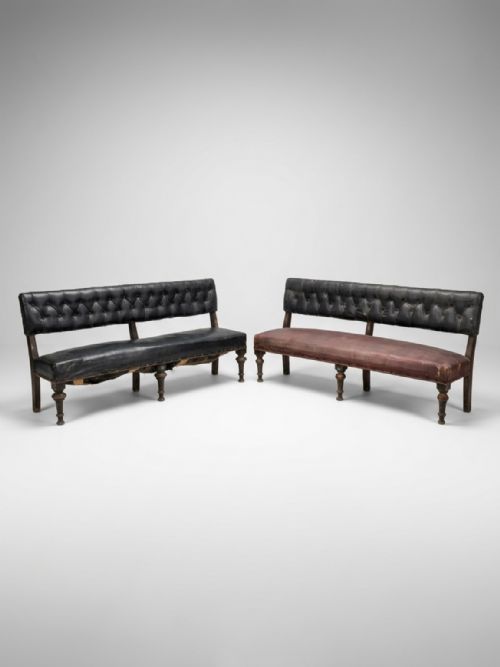
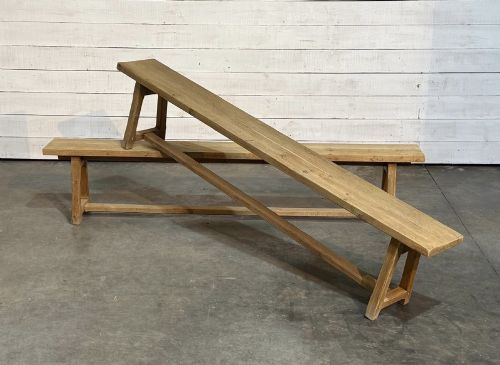
Antique Bench Pair
An antique bench pair brings symmetry and shared seating to a room, uniting utility with period design.
Antique Bench Pair
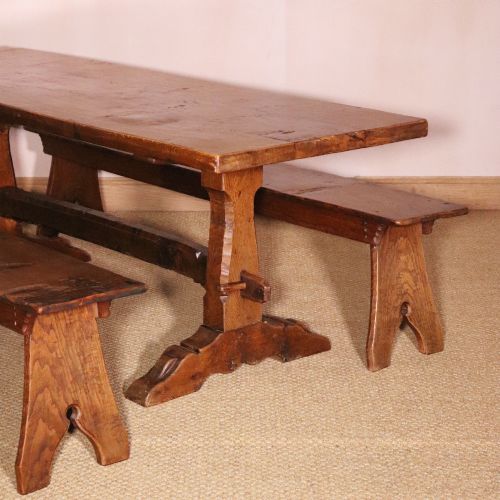
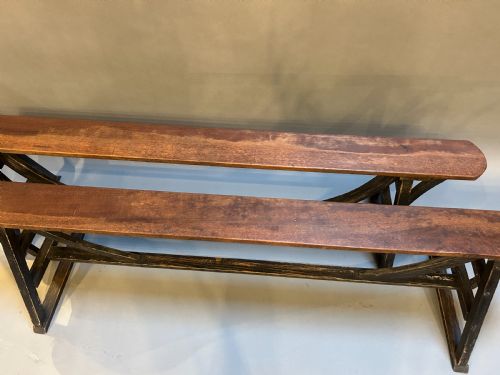
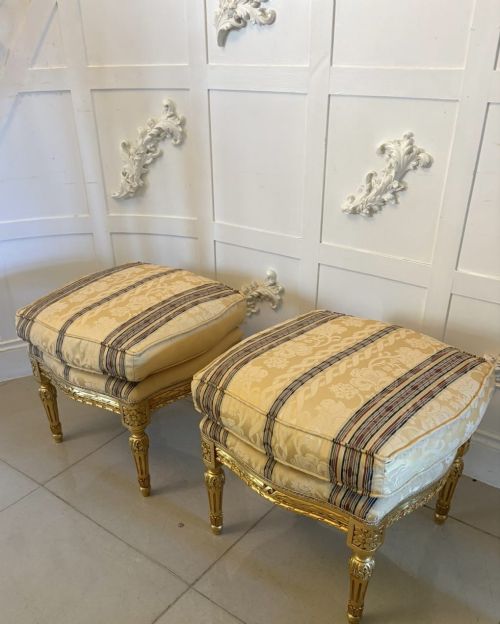
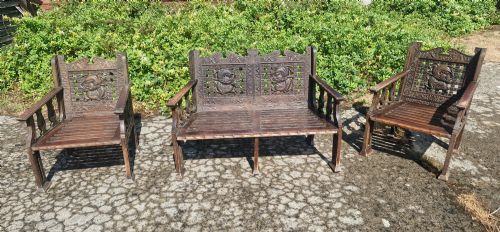
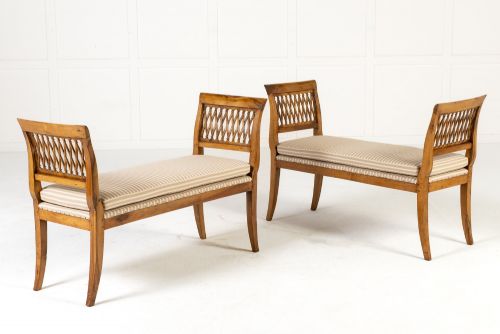
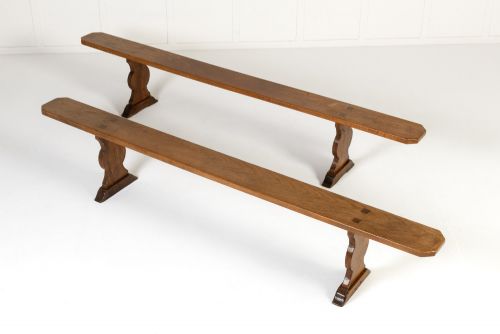
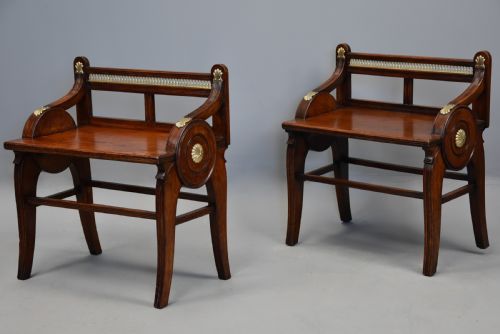
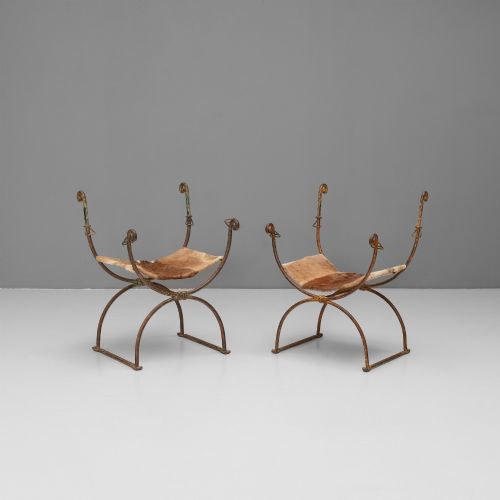
When you search for an antique bench pair, you look at matching seats designed for halls, dining rooms, gardens, and windows. These items range from sturdy dining benches and refectory seating to ornate garden pieces and upholstered window seats.
The versions you meet most often on this page originate from the nineteenth and early twentieth centuries. French oak and cherrywood examples appear alongside English oak, pine, and elm variations, reflecting domestic and provincial needs.
Makers and workshops across Britain, France, Sweden, and Ireland produced these matching sets in styles spanning Victorian, Gothic Revival, French Country, and Biedermeier. They served practical roles in domestic interiors and conservatory spaces.
How they were made
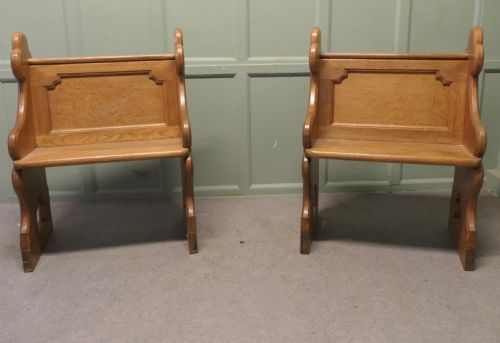
Makers utilised solid timbers such as oak, walnut, mahogany, fruitwood, satin birch, and pine, often shaping them with hand tools. Joinery techniques included joint bench construction and carved detailing on frames and legs.
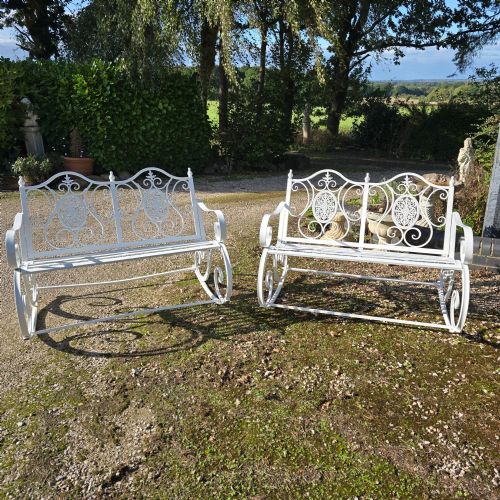
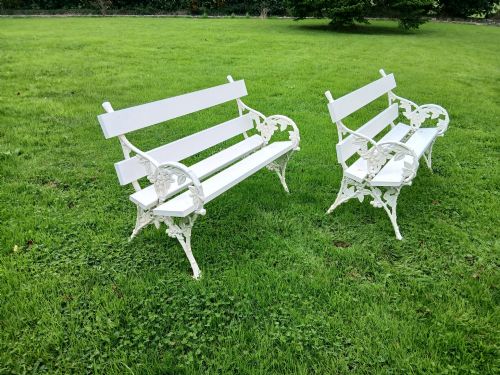
Metal elements involved cast iron and wrought iron, seen in garden benches and rocking seats with detailed plant motifs like blackberry and leaf patterns. Brass details, such as studs and barleytwist rails, added metallic contrast.
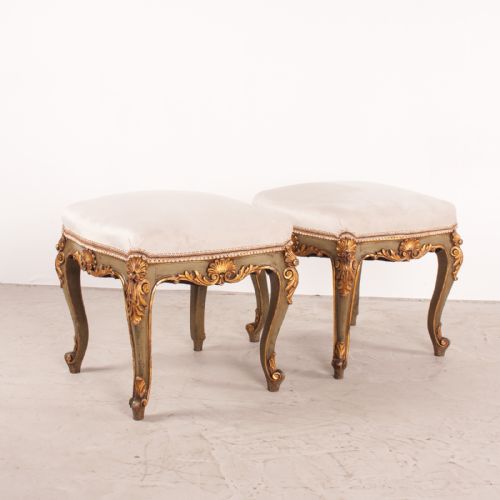
Upholstery utilised fabrics, buttoned leather, and giltwood frames, whilst painted and gilded finishes appeared on continental decorative pieces.
Antique Bench Pair Retail Price Guide 2026
Typical asking prices for bench pair among the pieces listed under this phrase on Sellingantiques today, from the lower quarter to the upper quarter. They describe what is for sale here now, not the wider market.
Some cast iron garden seats bear the distinct prickly imprint of blackberry and leaf mouldings from nineteenth-century foundries.
What varies in quality
The standard of timber selection and carving depth sets examples apart. Superior items display well-chosen grain, crisp hand-carved details, and substantial structural weight.
Originality of finish and hardware dictates much of the distinction between pieces. Items retaining their early upholstery, cast iron foundry marks, or original painted surfaces hold greater integrity.
Jack Grimble·Falkirk Carron Foundry·James Shoolbred Co
The Antique Bench Pair Glossary
- Biedermeier
- A central European style popular in the nineteenth century focusing on clean lines and blond woods like satin birch. It prioritised domestic comfort and utilitarian elegance.
- Gothic Revival
- An architectural and decorative style drawing on medieval forms, featuring elements like pointed arches and heavy timber construction. It appears frequently in nineteenth-century seating and library chairs.
- Refectory
- A long table and matching bench format originally used in monastic dining halls. These pieces are adapted for domestic dining rooms.
- Window Seat
- A low, upholstered seat designed to fit within the recess of a window. They often feature carved wooden frames and side arms.
- Joint Bench
- A piece constructed with mortise and tenon joints pegged together for strength. This method represents traditional woodworking craft.
Antique Bench Pair: Frequently Asked Questions
Where did people place an antique bench pair?
These matching seats were positioned in entrance halls, along dining tables, or placed beneath windows for natural light. Garden varieties stood outdoors on lawns or inside conservatories.
In larger houses, longer examples furnished corridors and galleries, providing substantial seating for guests.
How do I distinguish oak from fruitwood bench pairs?
Oak displays a pronounced grain with visible medullary rays and a naturally warm, honey or brown tone. It offers heavy structural rigidity suitable for refectory and hall seating.
Fruitwood, such as cherry or pear, tends to feature a smoother, finer texture with subtler grain patterns. It often shows warmer red or amber hues in provincial French furniture.
Were cast iron benches used outdoors?
Foundry pieces made from cast iron were engineered specifically to withstand external weather conditions. They utilised robust metal frames combined with timber slats.
Designs often incorporated botanical motifs like blackberry and leaf patterns to blend with garden landscapes.