

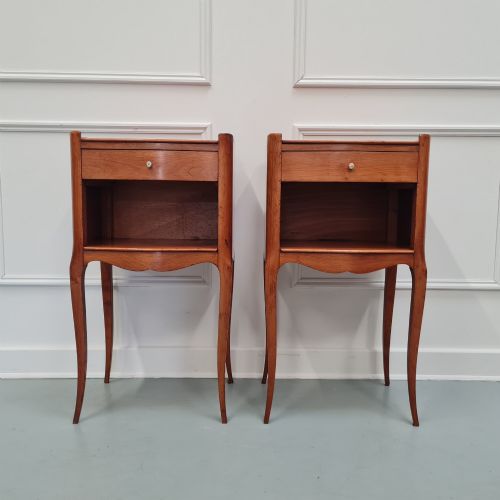
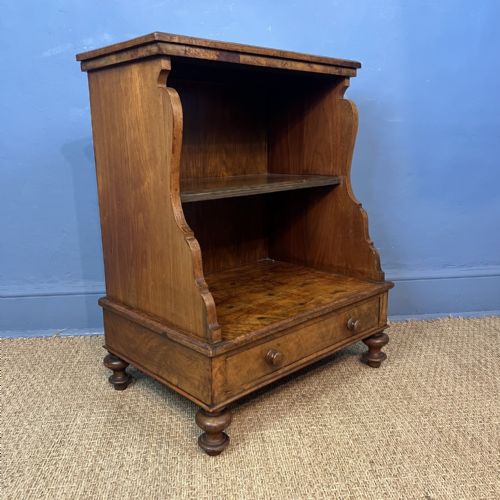
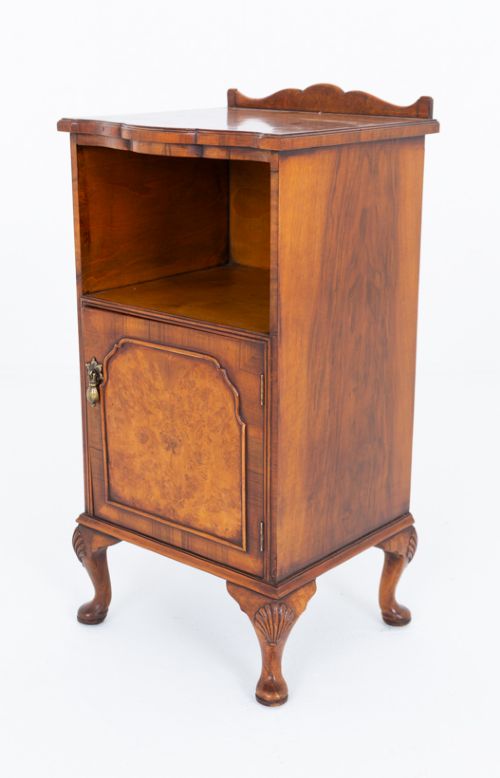

Antique Bedside Shelf
An antique bedside shelf keeps your nocturnal reading and essentials near at hand while grounding the room in period character.
Antique Bedside Shelf
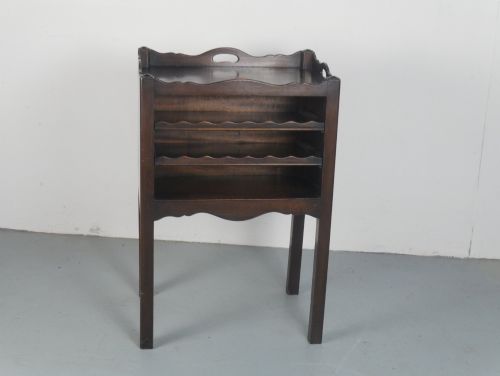
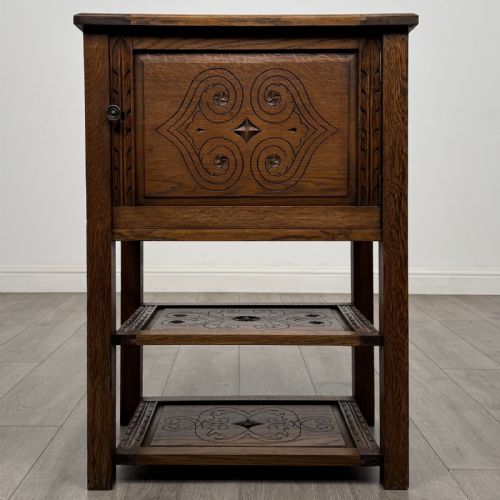
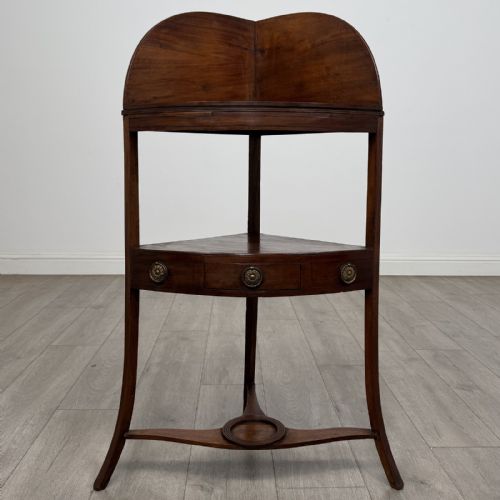
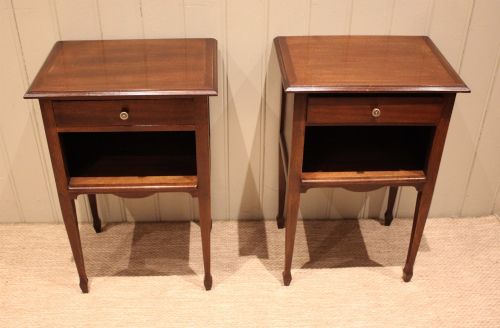
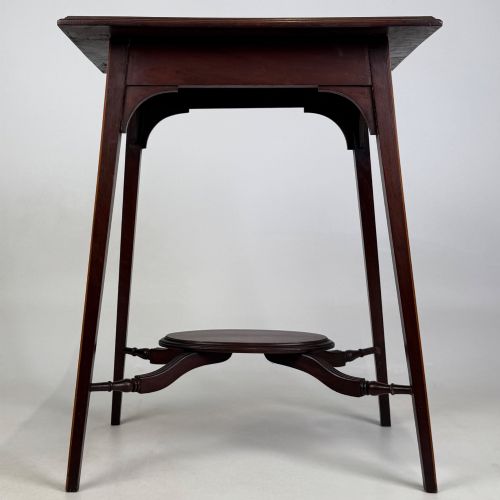
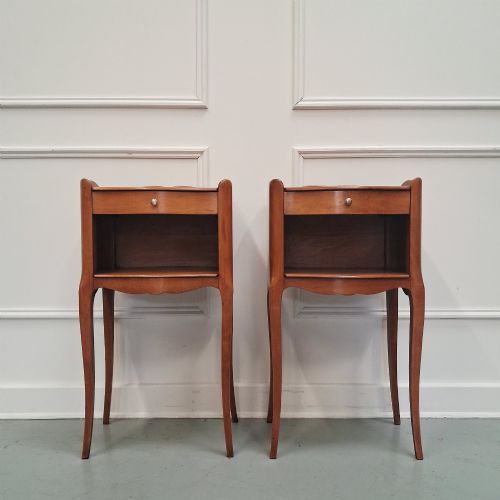
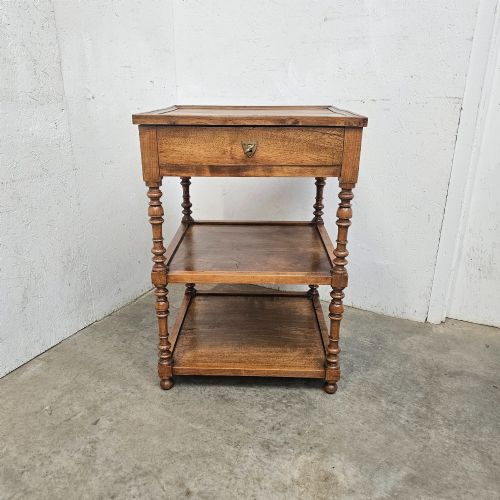
An antique bedside shelf spans compact bedside cabinets, small side tables with lower tiers, open bookcases, and multitiered whatnots designed for compact spaces. These pieces emerge across periods ranging from the nineteenth century through the 1930s, encompassing Edwardian designs and earlier Regency forms.
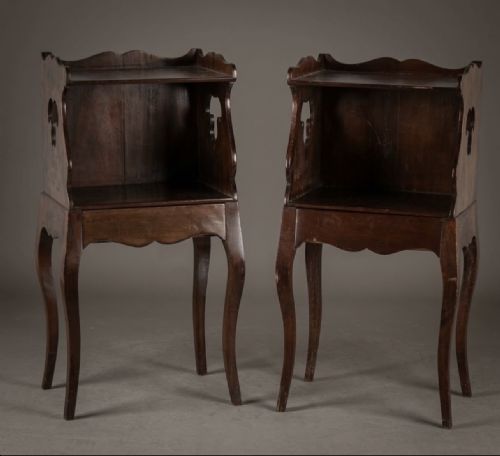
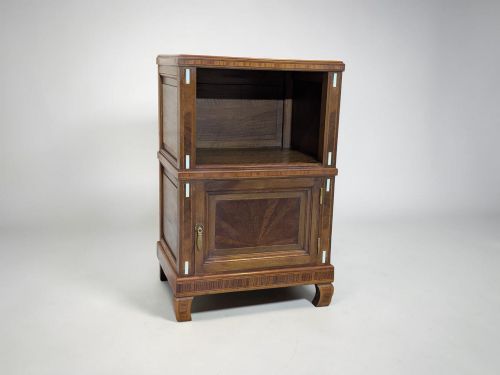
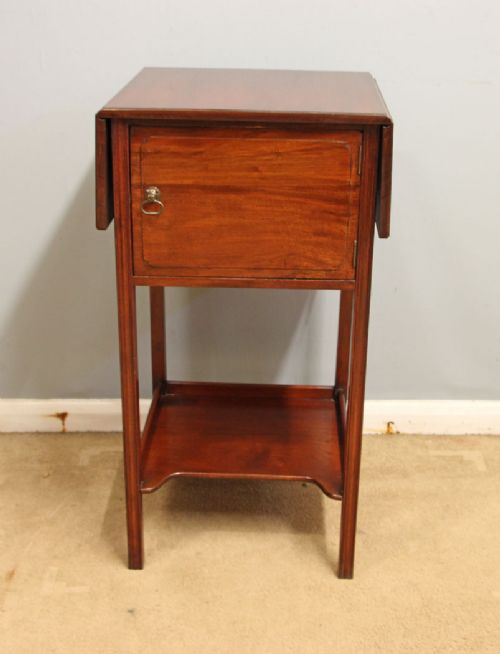
French regional examples appear frequently alongside British Edwardian and Georgian revival pieces. Buyers encounter enclosed cabinets with doors, open shelf units with marble tops, and small lamp tables equipped with lower storage.
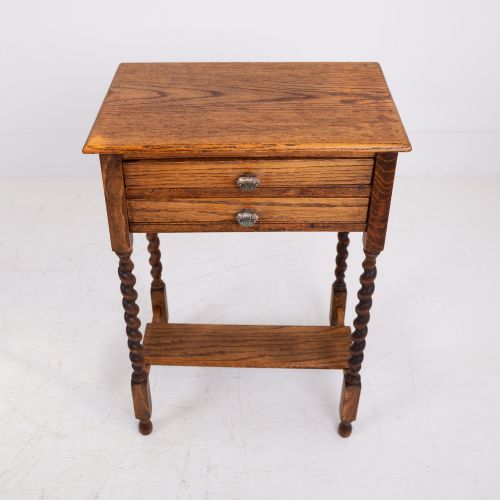
The selection ranges from utilitarian oak storage tables to refined French walnut and mahogany pieces incorporating brass mounts, bracket feet, and tapered supports.
Materials and Technique
Cabinetmakers utilised dense hardwoods such as mahogany, walnut, burr walnut, oak, and cherry wood to construct durable frames that survive generations of daily use. Inlays of satinwood and kingwood provide decorative contrast on polished surfaces.
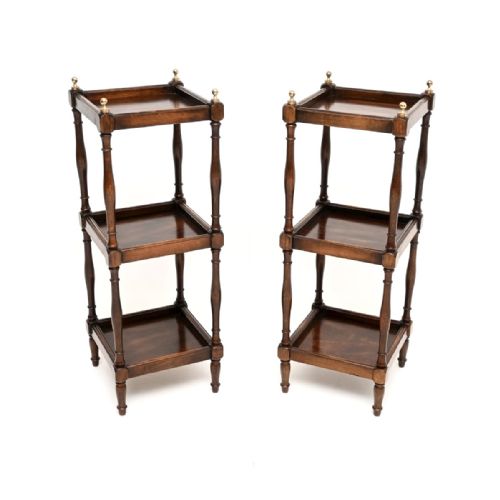
Finer examples integrate inset marble tops and brass gallery rails or handles, whilst structural joints rely on traditional dovetails and tenons. Turned and tapered legs provide elevation and stability to tiered etageres and cabinets.
Antique Bedside Shelf Retail Price Guide 2026
Typical asking prices for bedside shelf among the pieces listed under this phrase on Sellingantiques today, from the lower quarter to the upper quarter. They describe what is for sale here now, not the wider market.
Listings feature woods spanning mahogany, walnut, burr walnut, oak, cherry wood, and rosewood alongside marble-topped surfaces.
Craftsmanship and Proportion
Superior pieces display careful selection of timber grain, particularly in burr walnut and figured mahogany veneers, where natural patterns mirror each other across the surface. Construction details such as hand-cut dovetail joints in drawer construction indicate higher workshop standards.
Proportion and scale distinguish finer iterations, where delicate turned legs and subtle fretwork remain structurally sound. The integration of quality secondary materials like genuine marble slabs and cast brass hardware elevates standard bedside furniture into accomplished cabinetwork.
The Antique Bedside Shelf Glossary
- Etagere
- A set of open shelves for small ornaments or books. These tiered structures provide accessible display space beside a bed.
- Whatnot
- A multitiered piece of freestanding furniture used for storage and display. They frequently feature three or more graduating shelves supported by slender uprights.
- Marquetry
- Decorative veneer patterns formed by fitted pieces of various woods. Artisans assemble contrasting timbers to create intricate geometric or floral designs on table tops and cabinet doors.
- Bracket Feet
- A simple foot shape resembling a bracket, often seen on small cabinets and chests. They support the piece slightly above the floor while maintaining a stable footprint.
- Tapered Legs
- Furniture supports that narrow gradually toward the base. This technique lightens the visual weight of Edwardian and Georgian tables.
Antique Bedside Shelf: Frequently Asked Questions
How do I choose the right height for my bed?
Measure the top of your mattress to ensure the bedside shelf aligns comfortably for reaching items during the night.
Matching the surface level prevents awkward bending or reaching when resting a glass or lamp beside the bed.
Are these shelves suitable for modern lamps?
Most antique side tables and cabinets offer sufficient surface area for contemporary lighting and small bedtime essentials.
Verify the top dimensions in the listing to ensure your preferred lamp base fits securely within the perimeter.
How do I distinguish Edwardian pieces from earlier styles?
Edwardian items often feature lighter mahogany construction with subtle satinwood inlay and tapered legs reflecting late nineteenth and early twentieth-century preferences.
Earlier nineteenth-century examples tend to display heavier proportions, deeper timbers, and distinct revival styling such as Georgian or Regency influences.
Can open shelf units support heavy books?
Solid mahogany, oak, and walnut bookcases or tiered etageres provide robust support for everyday reading materials.
Distribute weight evenly across the shelves to maintain the structural integrity of older joinery over time.