





Antique Bedroom Trunk
An antique bedroom trunk brings solid wood character and historical storage to the room.
Antique Bedroom Trunk
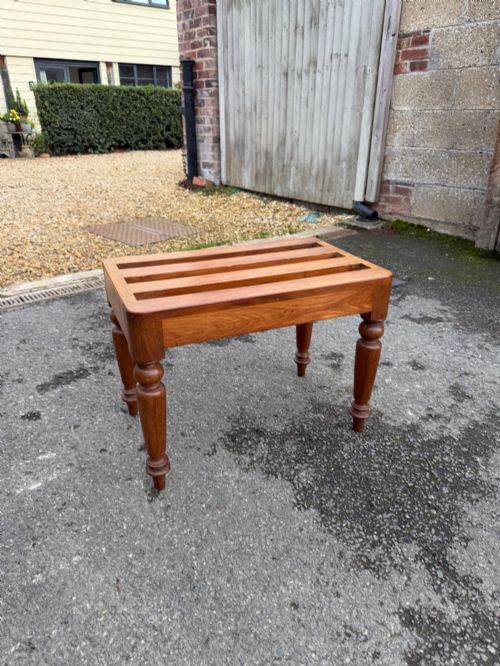
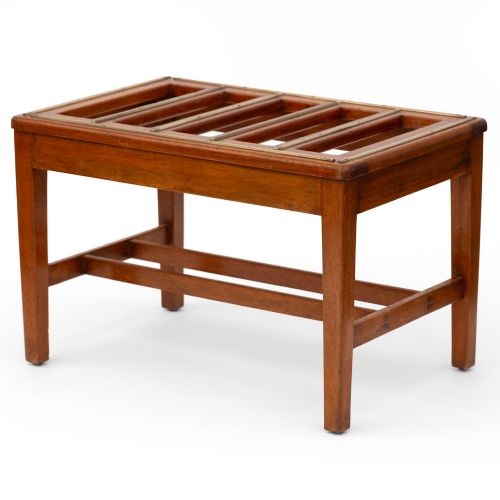
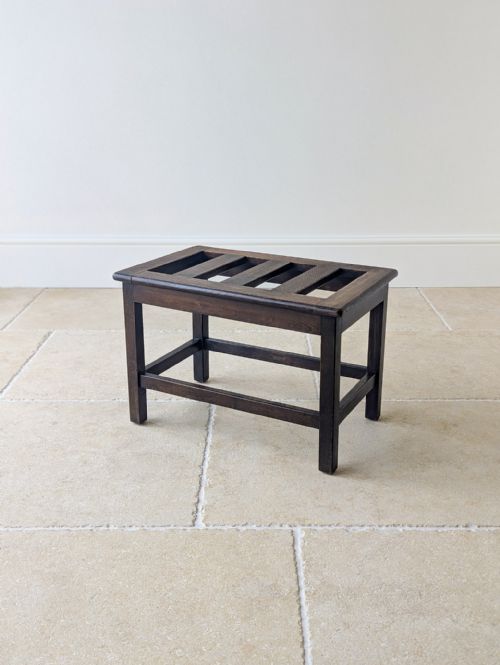
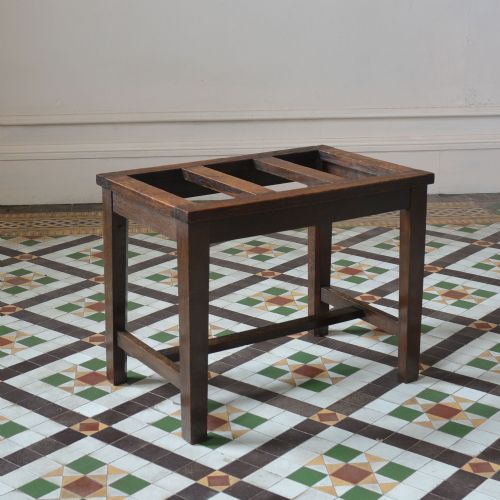
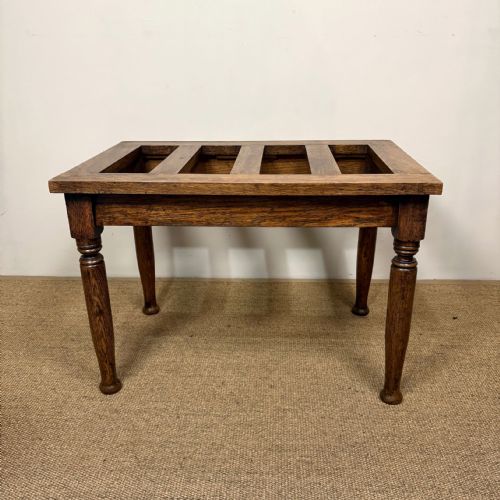
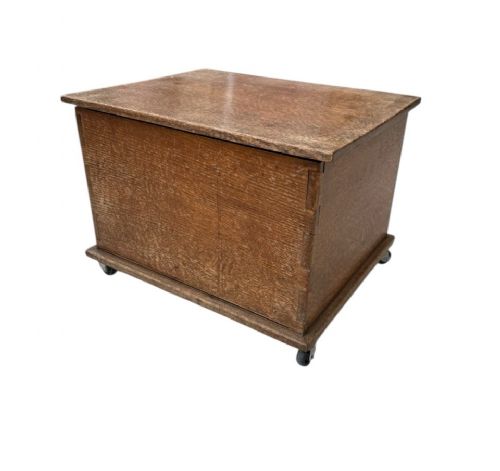
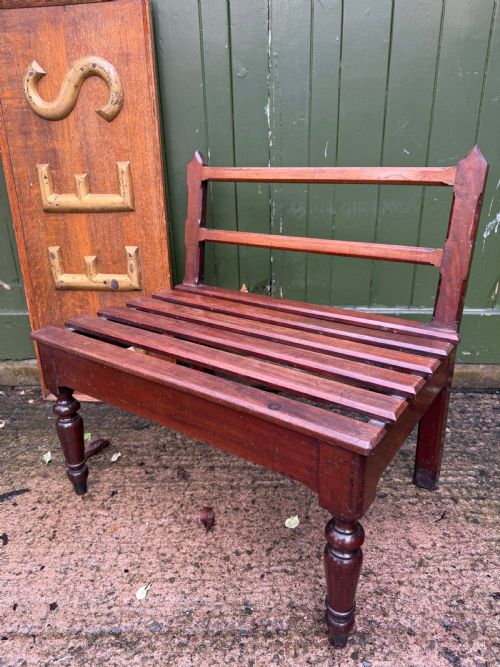
When you search for an antique bedroom trunk, you are looking at utilitarian storage pieces that served domestic and travel needs across the nineteenth and early twentieth centuries. These encompass wooden coffers, blanket boxes, ottomans, and luggage stands originating from the Victorian, Edwardian, and 1920 periods.
On this page, you are most likely to meet sturdy pine boxes, oak coffers, and mahogany luggage racks. These forms range from simple nineteenth century pine kists to polished oak hotel stands and upholstered birch blanket boxes.
The assortment reflects how bedrooms and dressing rooms actually functioned during these eras, providing enclosed space for linens, blankets, and personal luggage. Each piece carries the marks of practical daily use combined with period craftsmanship.
Materials and construction methods
Makers utilised solid timbers such as oak, mahogany, pine, birch, and satinwood to build these storage pieces. Wood selection dictated both the visual grain and the structural durability required for holding heavy textiles and luggage.
Joinery techniques relied on traditional solid wood construction, often complemented by brass fittings, iron hardware, and fabric upholstery. Certain forms incorporate raised rear upstands, concave shapes, and turned or fluted supports.
Antique Bedroom Trunk Retail Price Guide 2026
Typical asking prices for bedroom trunk among the pieces listed under this phrase on Sellingantiques today, from the lower quarter to the upper quarter. They describe what is for sale here now, not the wider market.
Current listings feature pieces spanning the 19th Century, Victorian, Edwardian, and 1920 periods, constructed from oak, pine, mahogany, birch, and satinwood.
Distinguishing quality across the range
Quality reveals itself in the selection and figuring of the timber, from plain utility pine to beautifully grained satinwood and polished oak. Superior examples display thoughtful proportions and careful attention to structural details like raised upstands or concave shaping.
The integrity of the construction and the retention of original brass or iron hardware separate standard utility items from finer pieces. Upholstered variants differ in the quality of the textile recovery and the firmness of the underlying frame.
The Antique Bedroom Trunk Glossary
- Coffer
- A large wooden chest traditionally used for storing valuables or textiles. Early examples feature robust solid wood construction and straightforward rectangular proportions.
- Luggage Stand
- A raised stand designed to hold travel bags or trunks off the floor at a convenient height. These often feature folding or fixed wooden frames with webbing or solid tops.
- Ottoman
- A low upholstered seat or bench that frequently incorporates internal storage space beneath a hinged lid. They appear in nineteenth century forms covered in fabrics such as linen.
- Kist
- A traditional regional term for a heavy storage chest or box, typically constructed from solid pine. They served practical domestic storage needs in bedrooms and hallways.
- Upstand
- A vertical wooden board rising above the rear edge of a stand or piece of furniture. This feature prevents items placed on top from slipping backward against the wall.
Antique Bedroom Trunk: Frequently Asked Questions
What is an antique bedroom trunk?
An antique bedroom trunk is a historical storage container or stand made from solid woods like oak, pine, or mahogany during the nineteenth or early twentieth centuries. These pieces were built for practical domestic use to hold blankets, linens, and personal effects.
Over time, these utilitarian objects transitioned from functional travel and bedroom equipment into decorative period furnishings. Today, they offer durable storage while adding traditional character to modern bedroom interiors.
How were luggage stands used?
Luggage stands were placed in bedrooms, dressing rooms, and hotel guest quarters to hold travel trunks and bags at a convenient height for packing and unpacking. Their raised frames kept luggage off cold or damp floors.
Many period stands feature sturdy wooden legs, sometimes with a raised rear upstand to keep bags in place. They now function well as bedside surfaces or decorative stands in a hallway.
How do I care for solid wood trunks?
Solid wood trunks require stable indoor humidity and protection from direct sunlight to prevent the timber from drying out or splitting. Dust them regularly with a soft, dry cloth to maintain the surface finish.
Avoid using harsh chemical polishes on antique wood surfaces, as these can damage old finishes. Natural beeswax applied sparingly will help preserve the lustre of polished oak, mahogany, or pine.
How can I tell Victorian trunks apart?
Victorian trunks and boxes are distinguished by their timber choices, construction methods, and hardware styles characteristic of the nineteenth century. Examining the wood grain, dovetail joints, and metal fastenings helps identify the period.
Pieces from this era range from utilitarian painted or plain pine kists to finely grained satinwood and polished mahogany ottomans. Comparing these material details against known period styles clarifies their origin.