



Antique Bear Figurine
An antique bear figurine brings woodland character into a room, capturing these animals in carved wood, cast bronze, and brass.
Antique Bear Figurine
An antique bear figurine encompasses carved wooden sculptures and metal casts from the nineteenth and early twentieth centuries. These figures range from small desk trinkets to substantial household sculptures.
The most common examples on this page are carved from linden wood and hardwood, frequently associated with Swiss and German workshop traditions. Buyers also encounter French animalier bronzes and novelty brass boxes featuring bear motifs.
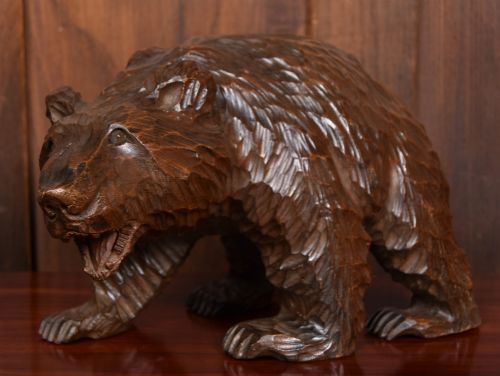
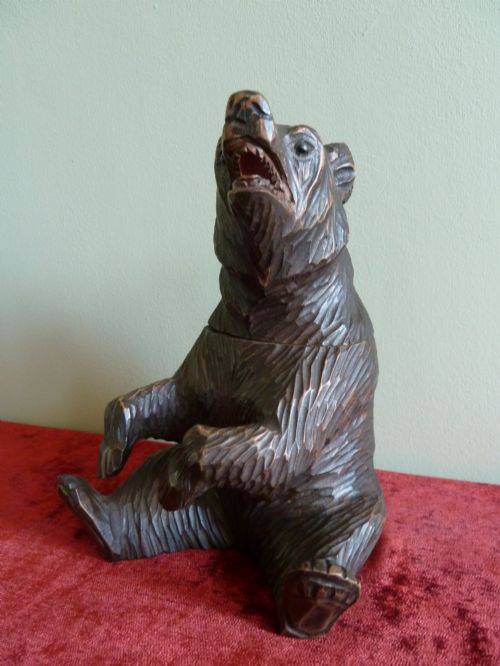
Forms extend beyond simple statues to include tobacco jars, pin cushions, and trinket boxes with sculpted bear lids. Dating spans the Victorian and Edwardian eras alongside Japanese folk art interpretations.
Materials and construction
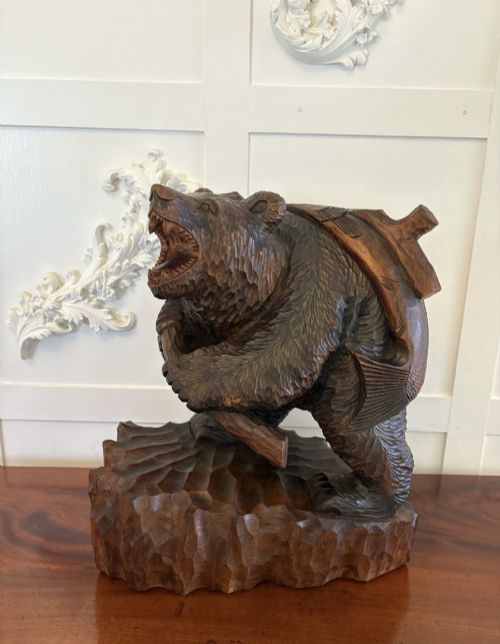
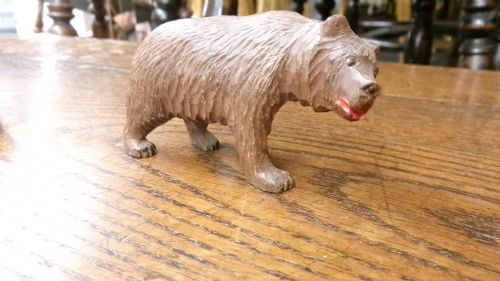
Carved wooden pieces utilise linden wood and walnut, shaped by hand using gouges and chisels to render fur texture and muscular forms. Wood carvers often used local timber stocks suited to detailed sculpting.
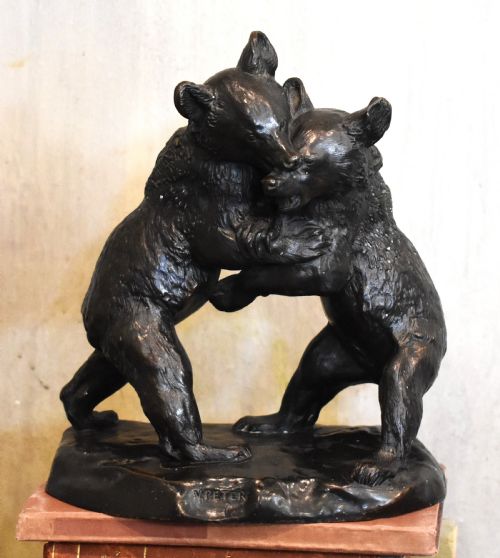
Metal versions rely on bronze casting through the lost-wax method, producing durable figures with patinated surfaces. Brass and silver components are cast or stamped for decorative novelty items.
Surface finishes include oiled or waxed wood treatments that highlight the grain alongside dark patinas applied to bronze casts by the foundry.
Antique Bear Figurine Retail Price Guide 2026
Typical asking prices for bear figurine among the pieces listed under this phrase on Sellingantiques today, from the lower quarter to the upper quarter. They describe what is for sale here now, not the wider market.
Assessing quality and execution
Quality rests upon the naturalism of the carving and the precision of the cast. Finer wooden pieces display nuanced facial expressions and distinct claw definition rather than smooth, hasty shaping.
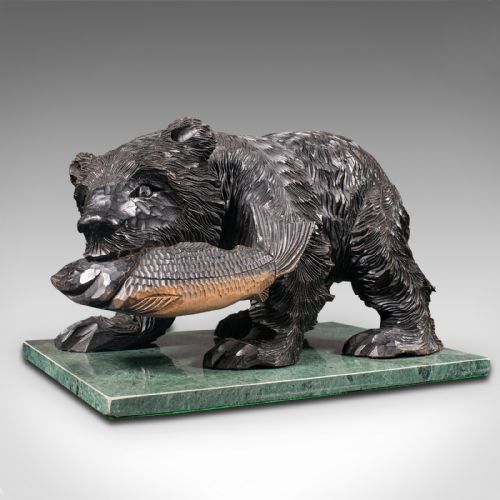
Proportion and stance dictate the visual success of the piece, whether portraying fighting cubs or a standing bear holding a fish. Bronzes gain distinction through careful chasing and surface detailing after casting.
The integrity of the material matters, with superior examples retaining original patination and minimal structural alteration over time.
Victor Peter·Christophe Fratin
The Antique Bear Figurine Glossary
- Animalier
- A nineteenth-century artistic movement focused on the realistic depiction of animals. Sculptors in this tradition studied anatomy closely.
- Black Forest
- A style of wood carving originating from the central European region, known for realistically rendered bears and woodland foliage. These items were popular tourist souvenirs in the Victorian era.
- Linden wood
- A pale, fine-grained timber favoured by wood carvers for its softness and lack of prominent grain. It allows for intricate detail work without splitting.
- Kibori kuma
- A style of Japanese wood-carved bear originating from Hokkaido. These figures display distinct folk art characteristics.
- Patina
- The surface sheen and colour developed by wood, bronze, or brass through age and handling. A good surface shows depth and historical wear.
Antique Bear Figurine: Frequently Asked Questions
How do I identify a Black Forest bear?
Black Forest bears are typically carved from linden wood or walnut with a dark waxed finish. They often depict animals engaged in human activities or holding items like fish and honey pots.
Look for expressive faces and textured fur that reflect nineteenth-century Swiss and German workshop production.
What metals were used for metal bear figurines?
Metal figures and desk accessories use bronze, brass, and occasionally silver. Bronze pieces employ traditional casting methods with dark patinas.
Brass appears more frequently in twentieth-century novelty boxes and trinkets with integrated bear finials.
Are wooden bear carvings fragile?
Solid hardwood and linden wood carvings are generally durable if kept away from excessive moisture and direct heat sources. Sudden temperature shifts can cause timber to split.
Handling requires care around protruding limbs or carved accessories such as fish and baskets.
How do I date an antique bear figure?
Dating relies on material type, style characteristics, and workshop origin. Nineteenth-century examples often feature hand-carved linden wood or cast bronze.
Edwardian and later pieces may incorporate brass hardware or reflect specific folk art traditions like Japanese kibori kuma.