


Antique Barrel Desk
An antique barrel desk brings practical writing space and curved cabinetry together, offering solid timber construction for a study.
Antique Barrel Desk
When you search for an antique barrel desk, you encounter large pedestal writing furniture alongside related cylinder forms and companion seating. These pieces span the Victorian, Edwardian, and nineteenth-century periods, constructed primarily in mahogany and oak.
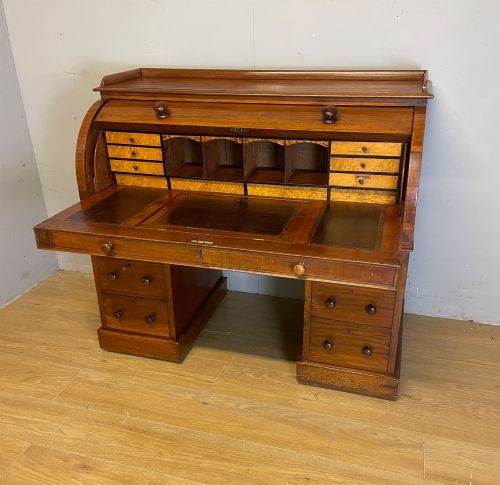
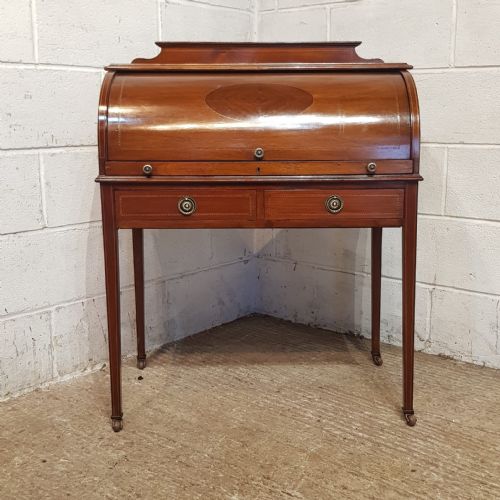
The primary forms on this page include cylinder top pedestal writing desks and barrel fronted desks with enclosed work surfaces. These items combine writing drawers with curved wooden housings that conceal the desk interior when closed.
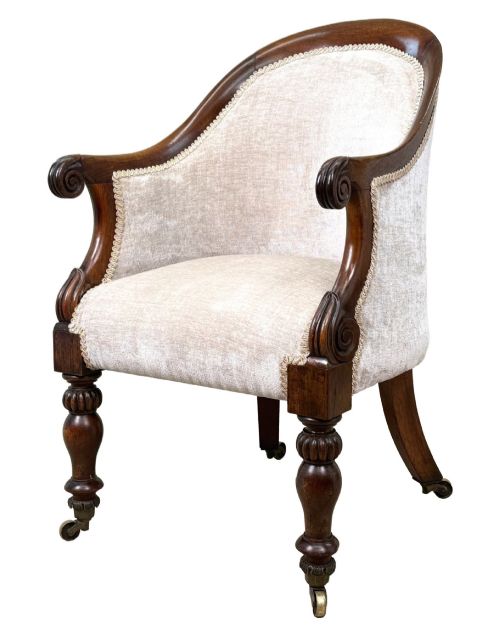
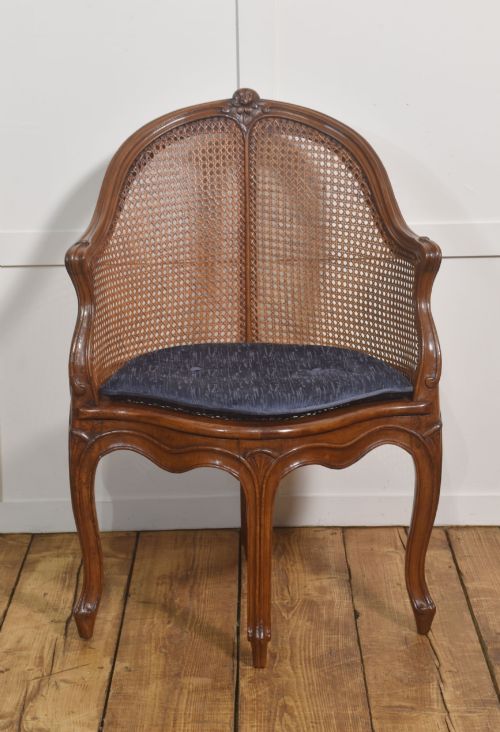
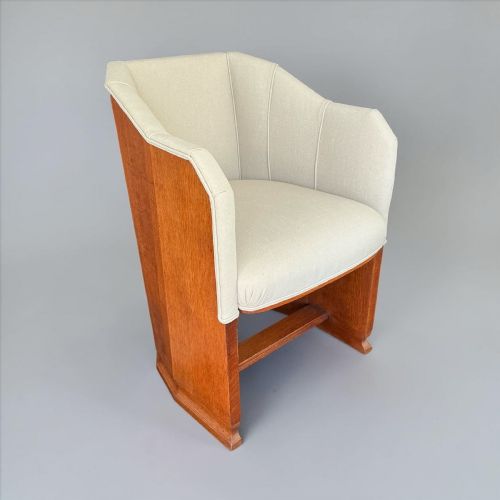
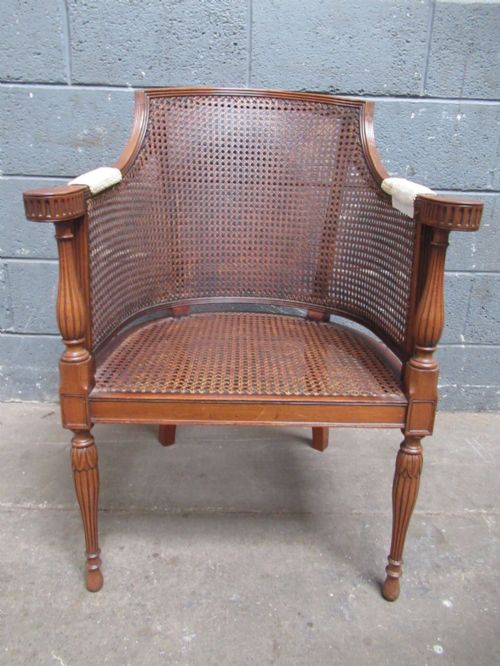
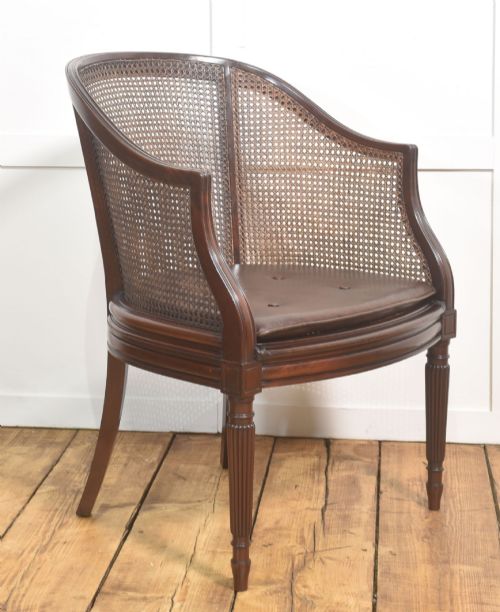
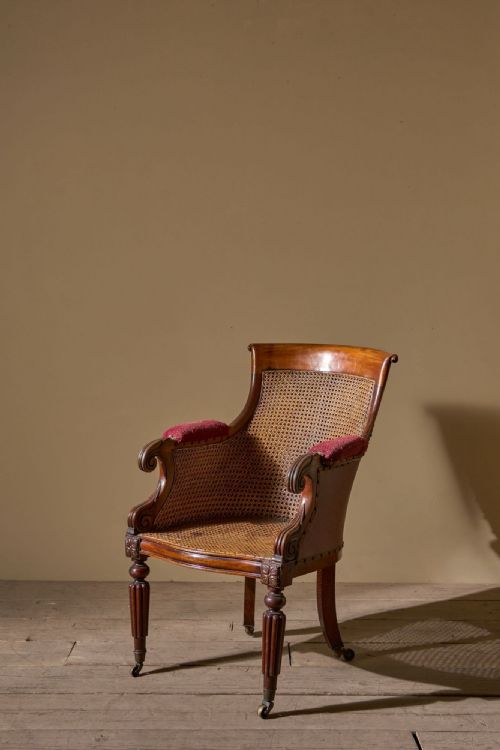
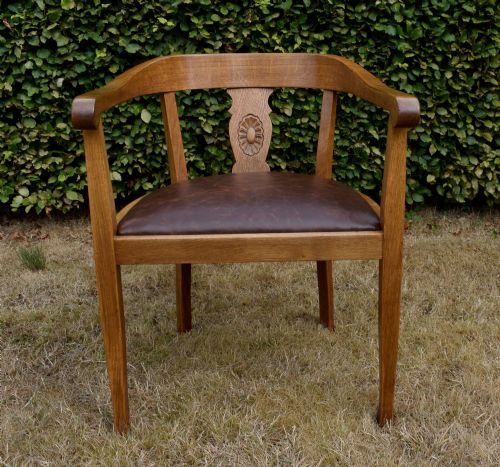
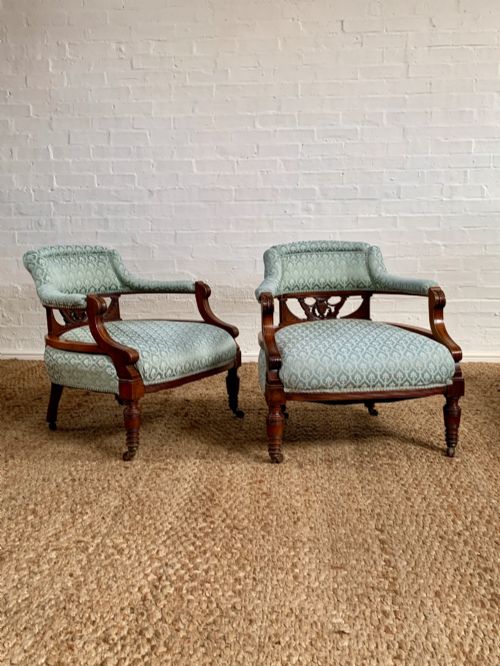
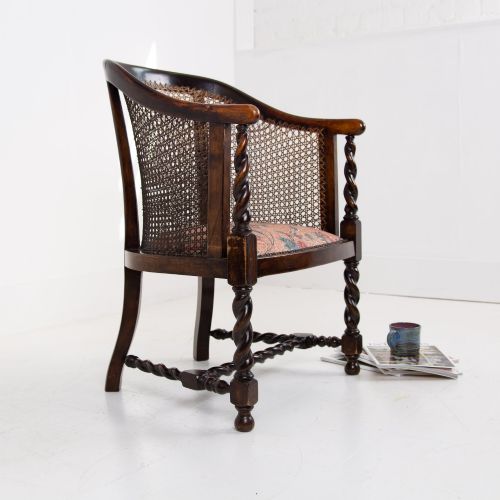
Alongside full desks, the selection encompasses tub shaped armchairs and library chairs designed for use at a writing table. These seating pieces share the curved enclosing lines characteristic of barrel furniture.
Materials and construction
Cabinet makers utilised solid timbers such as mahogany and oak for the main body and structural pedestals of these desks. These hardwoods provided the stability required for large writing furniture.
Curved cylinder tops and barrel fronts required specialist joinery to achieve smooth sliding mechanisms over the writing surface. Secondary materials like brass and leather appear on hardware and writing inserts.
Quality differences
Distinction across the range lies in the precision of the curved mechanism and the selection of timber grain. Superior examples display seamless movement in the cylinder shutter and fine matching of mahogany veneers.
Construction detail in the internal drawers and the quality of secondary woods further separate standard pieces from finer workshop productions.
The Antique Barrel Desk Glossary
- Cylinder desk
- A writing desk featuring a quarter-circle rotating wooden shutter that covers the writing surface and pigeonholes. This cylinder mechanism rolls back into the body of the desk when opened.
- Pedestal desk
- A heavy freestanding desk supported by two banks of drawers or cupboards beneath the top surface. The writing section rests directly on these structural pedestals.
- Tub chair
- An armchair with a continuous curved back and arms forming a semi-circular enclosure. These seats often accompany desks and library tables.
- Mahogany
- A durable reddish-brown tropical hardwood commonly utilised in nineteenth-century cabinet making. It accepts a high polish and resists warping.
Antique Barrel Desk: Frequently Asked Questions
How do cylinder desks work?
A curved wooden shutter slides along a track to conceal the writing surface and internal pigeonholes. Pushing the shutter upward reveals the desk interior.
This mechanism protects the contents of the desk while providing a clean appearance when closed.
What rooms suit a barrel desk?
These large pieces function well in traditional studies, home offices, and libraries where floor space accommodates a double pedestal footprint.
Positioning the desk away from walls allows the finished rear panels and pedestals to remain visible.
How do I identify a Victorian desk?
Victorian pieces often feature darker mahogany or oak timbers with heavier proportions and robust drawer construction. Brass pulls and leather inserts frequently accompany these designs.
Examining the secondary woods inside the drawers helps confirm nineteenth-century origin.
Are chairs included with desks?
Desks and chairs are typically catalogued separately as individual items within the listings. Tub chairs and desk chairs appear alongside writing furniture but function as distinct pieces.
Matching a desk with a contemporary swivel or tub armchair creates a complete study setup.