



Antique Banker Desk
An antique banker desk piece brings solid brass, rich oak and adjustable light to a workspace.
Antique Banker Desk
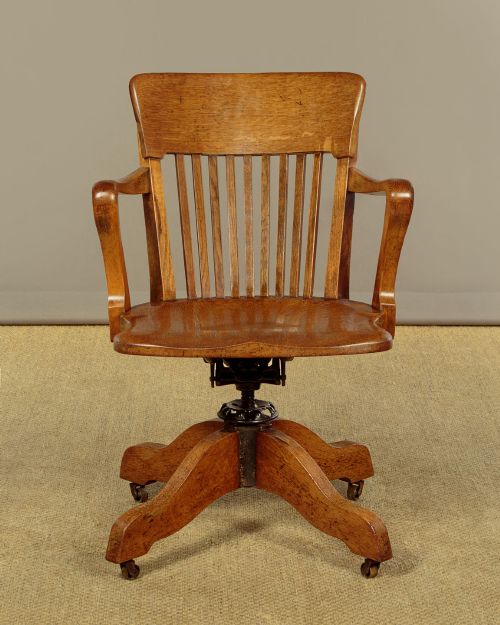
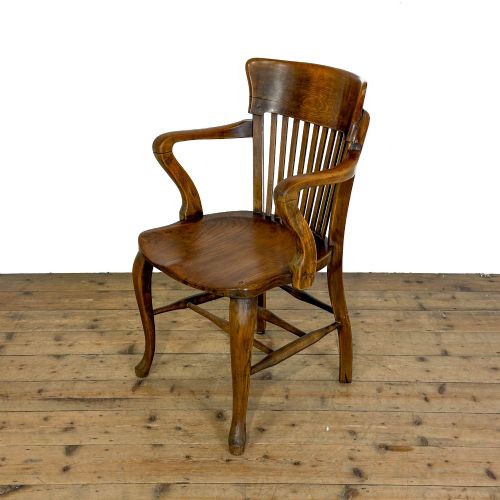
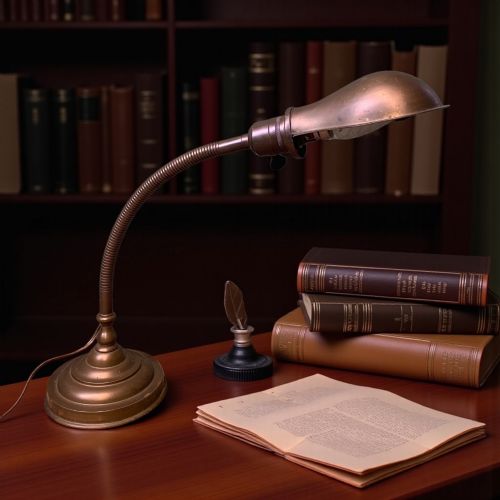
When you search for an antique banker desk selection, you encounter functional office lighting and seating from the nineteenth and early twentieth centuries. These pieces span sturdy oak swivel chairs and adjustable brass or bronze lamps designed for serious work.
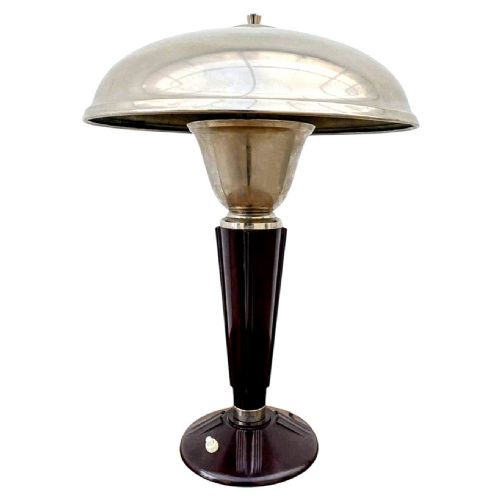
The most common examples on this page are metal desk lamps and wooden office chairs originating from the Edwardian era up to the nineteen-thirties. You also find specialised forms such as notary lamps, bouillotte lamps and revolving armchairs.
Periods represented stretch from the eighteen-fifties through the Art Deco and Arts and Crafts movements. The heavier representation clusters around nineteen-twenty and nineteen-thirty, reflecting the industrial expansion of office spaces.
Materials and construction methods
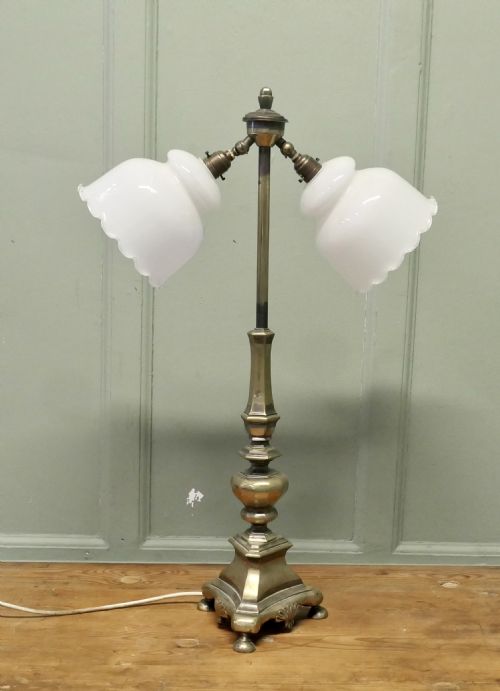
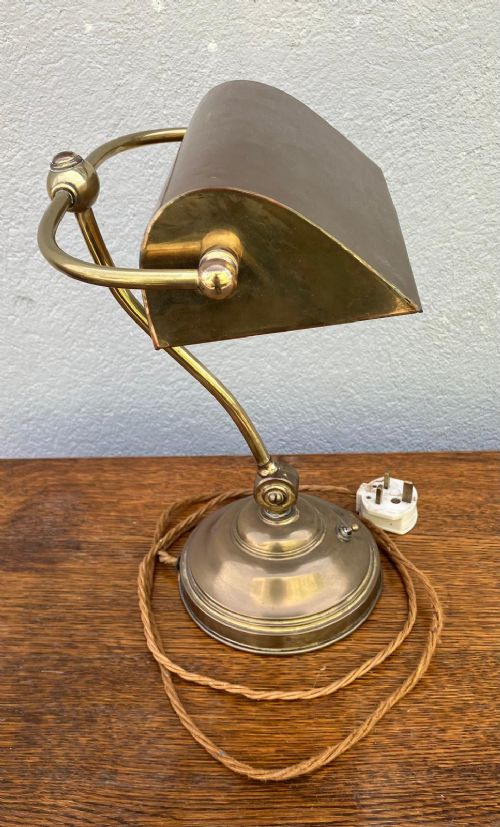
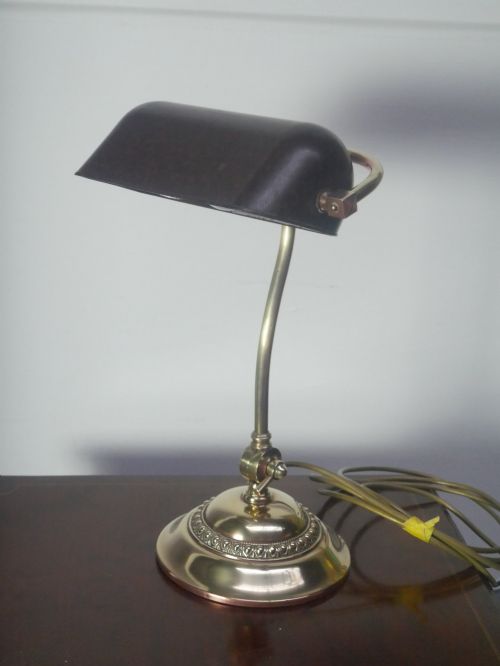
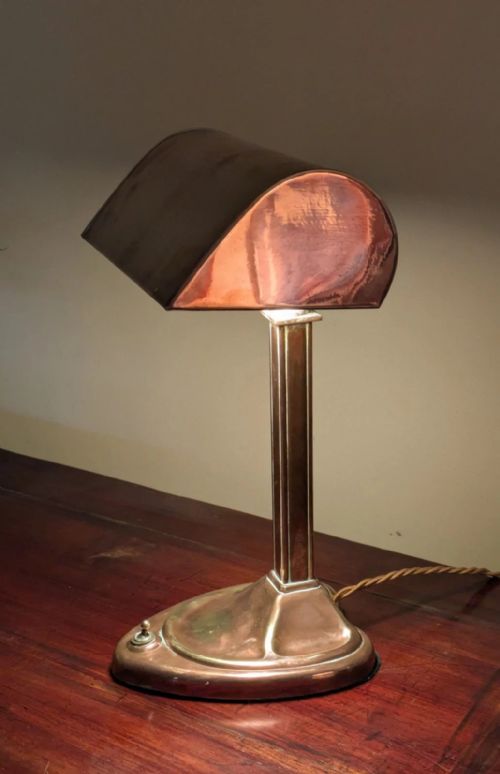
Brass, bronze and copper form the structural backbone of the lighting, often paired with glass, frosted glass, opaline or toleware shades. Oak provides the robust timber for office armchairs and revolving desk chairs.
Artisans utilised adjustable swan necks, articulated joints and heavy cast bases to direct light across large working surfaces. Metalwork ranges from patinated brass to gilt bronze and chrome, showing the transition from Victorian utility to Machine Age styling.
Antique Banker Desk Retail Price Guide 2026
Typical asking prices for banker desk among the pieces listed under this phrase on Sellingantiques today, from the lower quarter to the upper quarter. They describe what is for sale here now, not the wider market.
Design styles represented include Art Deco, Edwardian, Arts and Crafts, Art Nouveau and French Industrial forms.
Distinctions in craftsmanship
Quality rests in the weight of the metal castings and the smoothness of the adjustable mechanisms. Superior pieces maintain original patination, undamaged shades in glass or toleware, and robust mechanical joints that hold their position securely.
In seating, superior examples demonstrate solid oak construction with functional revolving wooden mechanisms rather than replacement hardware. The depth of detail in brass repoussé or bronze work distinguishes standard utility items from finer decorative pieces.
Eileen Grey
The Antique Banker Desk Glossary
- Toleware
- Painted or lacquered sheet metal used for lamp shades, typically in traditional colours like green. It provides a durable and classic office aesthetic.
- Opaline
- A milky, translucent glass used for lamp shades to soften and diffuse light. This material appears frequently on Edwardian and Art Deco designs.
- Repoussé
- Metalworking technique where the metal is hammered from the reverse side to form a raised design. It adds decorative relief to nineteenth-century brass bases.
- Notary lamp
- A specialised desk lamp style featuring a heavy metal base and adjustable arm, historically used by legal professionals. They often incorporate bronze and frosted glass.
- Articulated
- Having joints or segments that allow the lamp arm to bend and adjust position. This mechanical feature ensures directed task lighting.
Antique Banker Desk: Frequently Asked Questions
What is an antique banker desk lamp?
These are adjustable task lights made from materials like brass, bronze and copper, designed to illuminate workspaces in offices and libraries during the late nineteenth and early twentieth centuries.
They often feature flexible arms, heavy weighted bases and specialised shades made of glass, opaline or painted metal to direct light downward.
How do I identify an Edwardian desk chair?
Edwardian desk chairs are typically constructed from solid oak and feature revolving mechanisms with wooden seats or upholstered arms designed for office use.
They prioritize ergonomic support through curved wooden backs and sturdy four-legged castor bases suited for heavy daily administration.
What materials are used in these pieces?
The lighting utilises brass, copper, bronze, gilt bronze, chrome, frosted glass, opaline, toleware and bakelite. Seating relies predominantly on solid oak timber.
These durable materials reflect the heavy industrial and commercial demands of office environments from eighteen-fifty to nineteen-thirty.