
Antique Band Ring
An antique band ring carries the quiet weight of personal history, shaped from enduring metals to mark commitments and adorn the hand.
Antique Band Ring
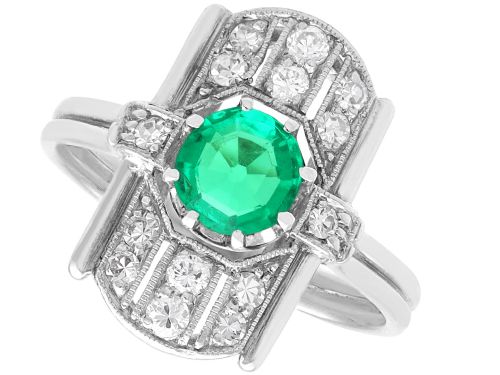
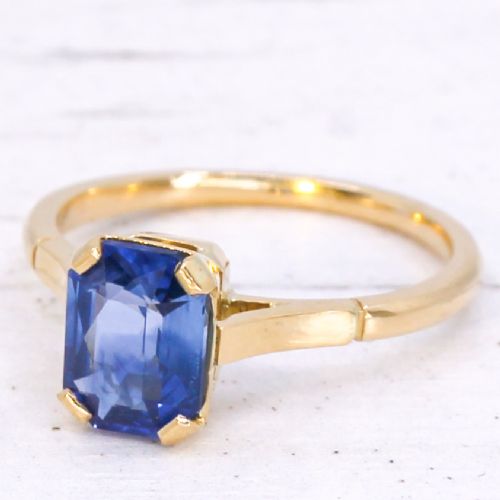
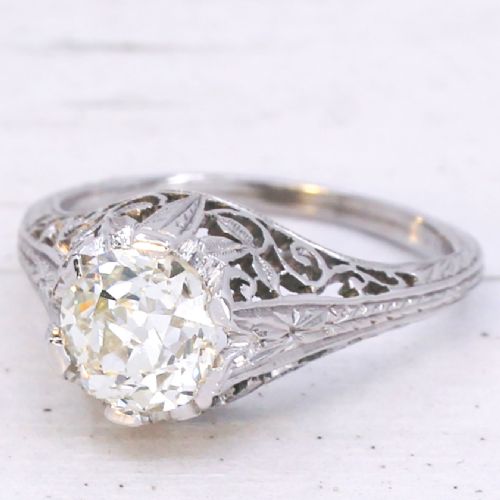
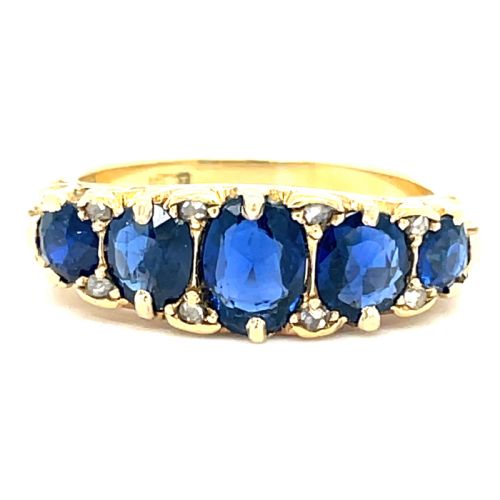
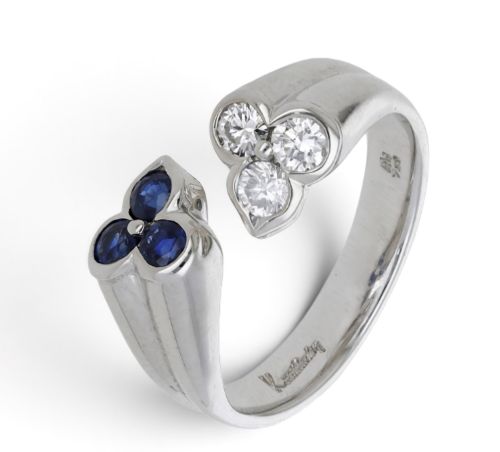
An antique band ring encompasses simple plain wedding bands and richly detailed circlets bearing stones or symbolic motifs. Buyers browsing this page will encounter pieces spanning the Victorian, Edwardian, and Art Deco eras, alongside specimens marked by twentieth-century hallmarks.
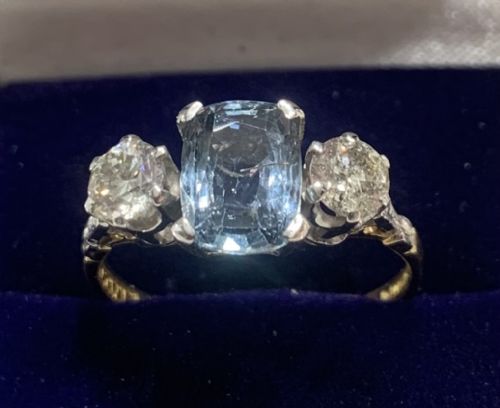
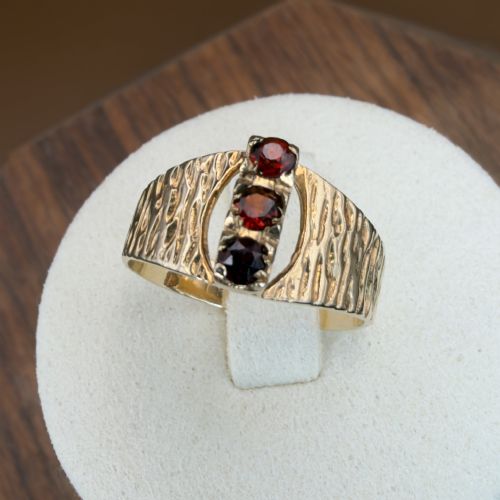
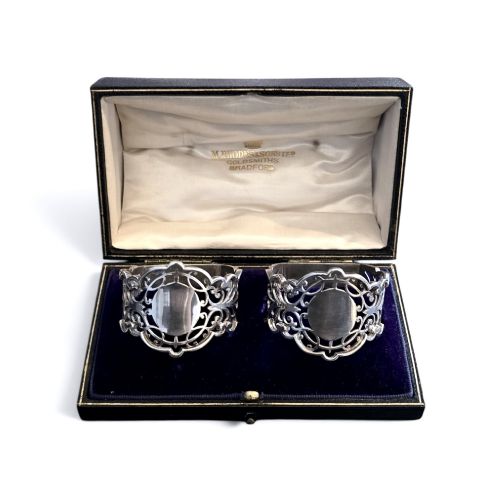
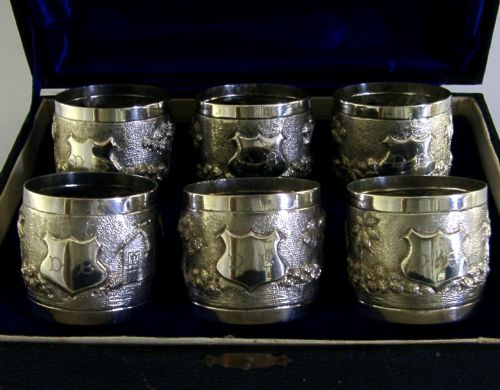
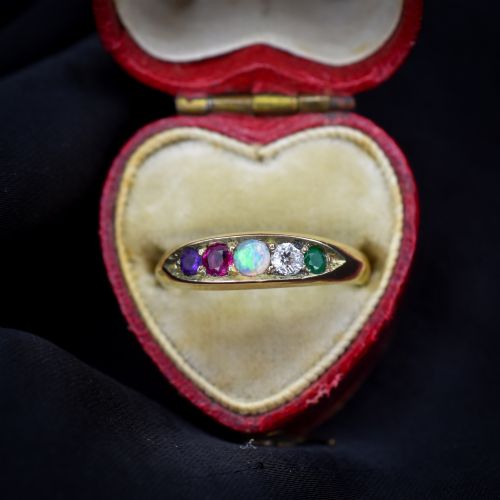
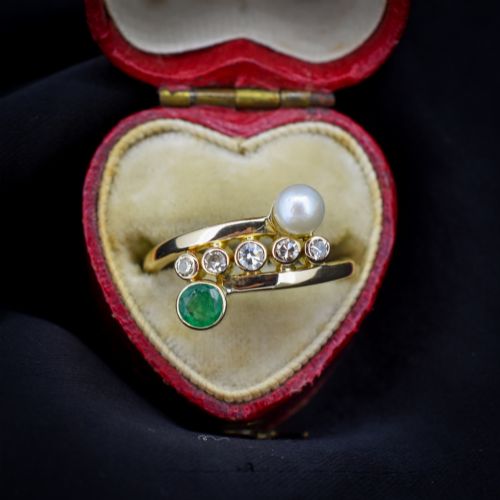
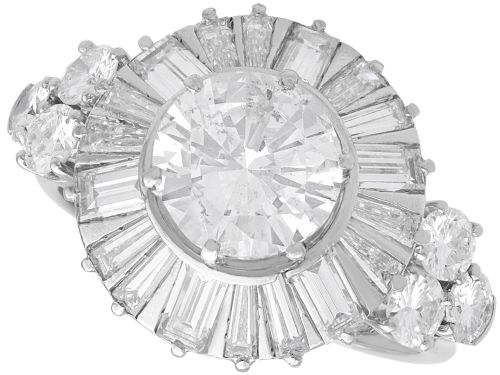
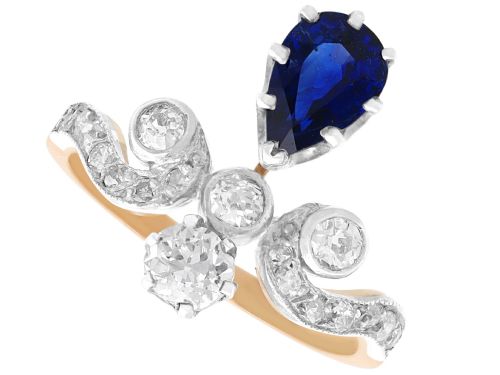
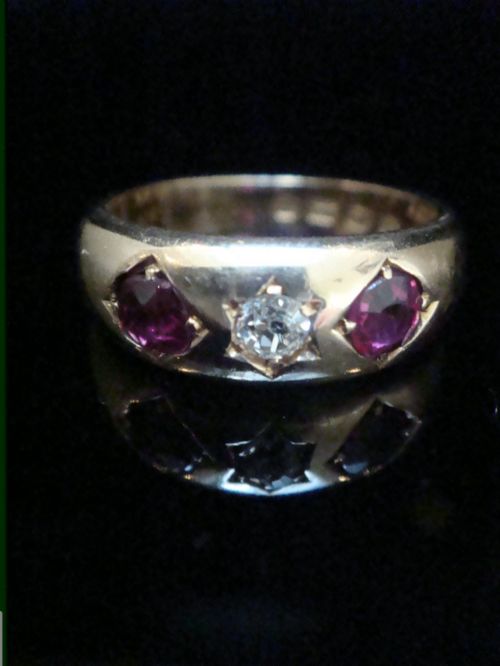
The selection ranges from heavy twenty-two carat gold wedding hoops and rose gold bands to intricate rings set with old cut diamonds, rubies, and pearls. Alongside finger rings, the category occasionally includes silver and wooden napkin rings, though wearable jewellery forms the primary focus.
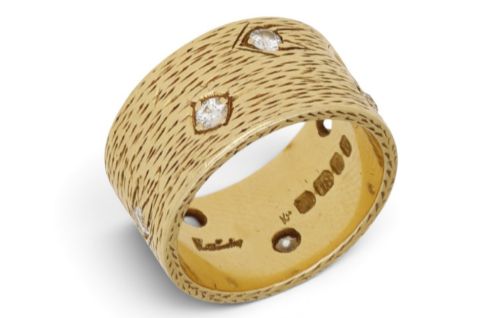
Makers and assay offices stamped many of these pieces in British cities like Birmingham, Chester, and London during the nineteenth and early twentieth centuries. These marks provide tangible links to the workshops that forged them.
Materials and construction
Goldsmiths utilised high-purity gold alloys, particularly twenty-two carat and eighteen carat yellow gold, alongside nine carat rose gold and platinum. These dense metals provided a durable foundation for daily wear and secure stone settings.
Craftsmen shaped plain wedding bands through rolling and soldering, while more elaborate designs incorporated gypsy settings, starburst engravings, and claw-set old cut diamonds and rubies. Hallmarks stamped directly into the metal recorded the assay town and the precise year of creation.
Listings feature yellow gold, rose gold, platinum, and sterling silver across Victorian and Edwardian periods.
Judging quality in bands
Quality rests in the integrity of the metal gauge and the crispness of the original hallmarks and engravings. Thicker gold bands retain their structural roundness and profile through decades of use, whereas thinner examples show wear along the edges.
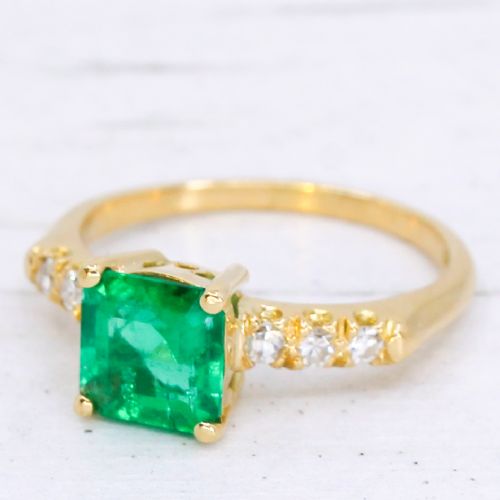
In stone-set variations, the merit lies in the match and cut of the diamonds or coloured gems, such as natural opals and rubies, and the snugness of their flush or starburst settings.
The Antique Band Ring Glossary
- Hallmark
- Official stamps pressed into precious metal indicating the purity, assay office, and year of manufacture.
- Old cut
- A diamond facet style popular in antique jewellery, characterised by a smaller table, higher crown, and deep culet that catches candlelight.
- Gypsy setting
- A mounting style where the gemstone is flush-set directly into the metal band, leaving the surface smooth.
- Mizpah
- A sentimental inscription or motif derived from biblical text, meaning an emotional bond between people separated in distance.
- Boat ring
- A piece featuring a clustered, navette-shaped setting resembling the hull of a boat, popular in the Georgian and Victorian eras.
Antique Band Ring: Frequently Asked Questions
How do I know my ring size?
Antique rings often correspond to historical sizing standards that differ slightly from modern scales. Measuring the inner diameter of an existing ring helps determine the correct fit before purchase.
Professional jewellers can also measure fingers precisely using standard metal sizers.
Can antique wedding bands be resized?
Most solid gold and platinum band rings can be adjusted by a skilled jeweller who matches the alloy and carat. Plain hoops are straightforward to alter without disturbing historical details.
However, heavily engraved bands or those set with stones around the entire circumference require specialist care to preserve the design.
How should I care for my ring?
Regular cleaning in warm soapy water with a soft brush removes everyday oils and restores the lustre of the metal and gemstones. Harsh chemical dips should be avoided, particularly with softer organic gems like pearls.
Removing the jewellery during heavy manual tasks prevents unnecessary scratching and preserves delicate prongs.
What do the hallmarks tell us?
British hallmarks provide a reliable method for dating jewellery by recording specific letter punches for the year of assay. They also confirm the purity of the gold or silver used in the piece.
Symbols indicate the town of origin, such as an anchor for Birmingham or a crown for Sheffield.