





Antique Bamboo Desk
An antique bamboo desk brings an organic yet structured presence to a study, offering lightweight utility wrapped in exotic botanical texture.
Antique Bamboo Desk
When you search for an antique bamboo desk, you are looking at nineteenth-century furniture that combines botanical forms with traditional cabinetry. The evidence shows writing tables, side tables, and escritoires utilising actual bamboo alongside painted faux bamboo surfaces.
You are most likely to meet pieces spanning the Regency period through to the late Victorian era and the early twentieth century. These items often draw on Chinese and French design influences, ranging from simple writing tables to pagoda-topped cabinets.
How they were made
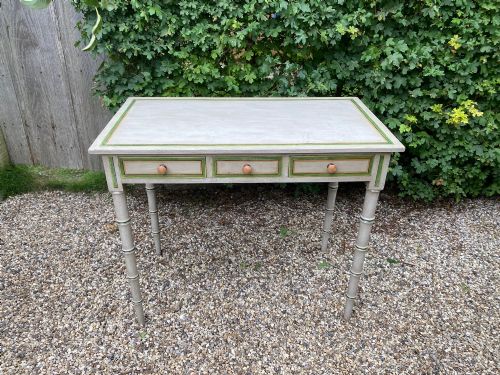
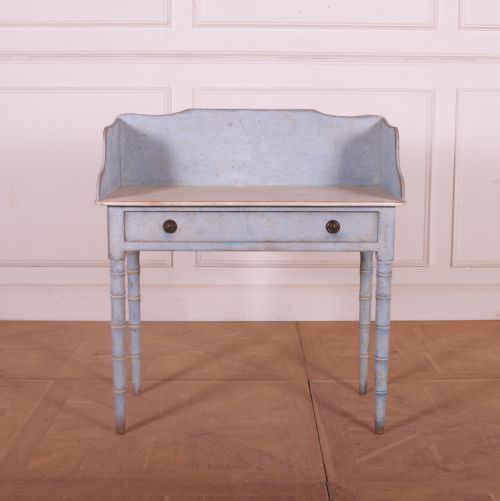
Construction relies heavily on natural bamboo poles, hardwood, softwood, and beech, frequently shaped and joined to form rigid structural frameworks. Cabinet makers also employed painted wood to simulate bamboo grain, creating convincing faux finishes using original ochre and decorative pigments.
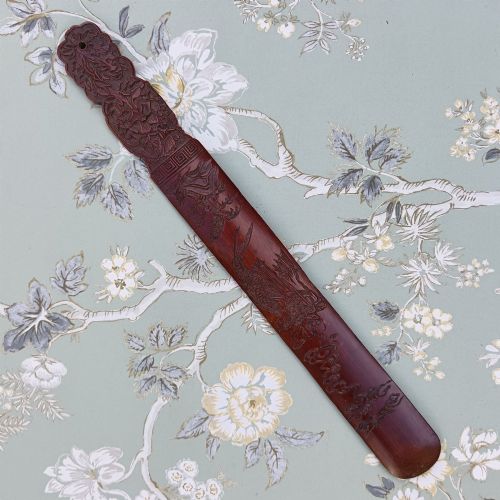
Carving and lacquer work appear on decorative accessories and case pieces, alongside cane work panels and brass details. Artisans utilised traditional joinery methods to secure hollow bamboo stems into functional writing surfaces and storage units.
Antique Bamboo Desk Retail Price Guide 2026
Typical asking prices for bamboo desk among the pieces listed under this phrase on Sellingantiques today, from the lower quarter to the upper quarter. They describe what is for sale here now, not the wider market.
Art Deco bamboo dogs doubling as bookends prove that historical cabinet makers occasionally possessed a delightfully playful sense of humour.
What varies in quality
Quality rests on the integrity of the structural joints and the precision of the botanical framing. Natural bamboo must remain stable without excessive splitting, whilst painted faux bamboo relies on the skill of the original decorative brushwork for its fidelity.
The sophistication of the secondary woods, such as bird's-eye maple or hardwood, distinguishes standard utilitarian items from finer architectural escritoires. Original paint surfaces and intact cane work panels carry significantly more weight than later restorations.
The Antique Bamboo Desk Glossary
- Faux bamboo
- Painted or carved wood designed to imitate the segmented stems of natural bamboo. This technique was popular in Regency and nineteenth-century European workshops.
- Escritoire
- A small writing cabinet featuring a fall-front desk flap and internal compartments. These often incorporate architectural elements like pagoda tops.
- Okimono
- A small Japanese decorative carving intended for display on a shelf or desk. These carved bamboo objects date to around nineteen hundred in the record.
- Brush pot
- A cylindrical vessel used in traditional scholars' studies for holding writing brushes. Chinese examples in the evidence display intricate hand carving.
- Canework
- Woven rattan or cane material used for seating inserts and panels. It provides a lightweight, flexible surface on chairs and tables.
Antique Bamboo Desk: Frequently Asked Questions
Are faux bamboo desks sturdy?
Faux bamboo furniture is built from solid timbers such as beech or softwood carved to mimic natural stems, giving it robust structural integrity.
These pieces were designed for everyday domestic use, though their lightweight appearance can sometimes belie a sturdy hardwood core.
How do I date a bamboo desk?
Dating relies on stylistic clues, construction methods, and material choices recorded across the nineteenth and early twentieth centuries.
Regency examples often feature painted faux bamboo, whereas later Victorian and nineteen-twenties pieces frequently utilise natural cane and imported hardwood structures.
Where were these desks made?
The listings show a mix of English Regency pieces, French provincial designs, and Chinese export furniture made for Western markets.
European cabinet makers frequently interpreted Asian aesthetic traditions, producing simulated bamboo writing tables alongside genuine imported bamboo items.
How do I clean bamboo furniture?
Maintenance requires gentle dusting with a dry or slightly damp cloth to protect the natural fibres and painted decorative surfaces.
Avoid harsh chemical cleaners or excessive moisture, particularly on pieces with historic lacquer work or delicate cane panels.