




Antique Bacchus Figure
An antique bacchus figure brings classical mythology into the room through bronze, marble and porcelain interpretations of the wine god.
Antique Bacchus Figure
An antique bacchus figure captures the ancient god of wine, revelry and agriculture, often accompanied by satyrs, fauns, putti or grapes in classical poses. When you search for this phrase, you encounter sculptural works spanning the Georgian era through the early twentieth century.
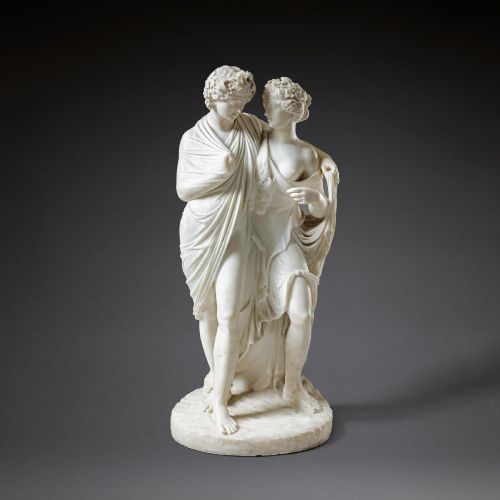
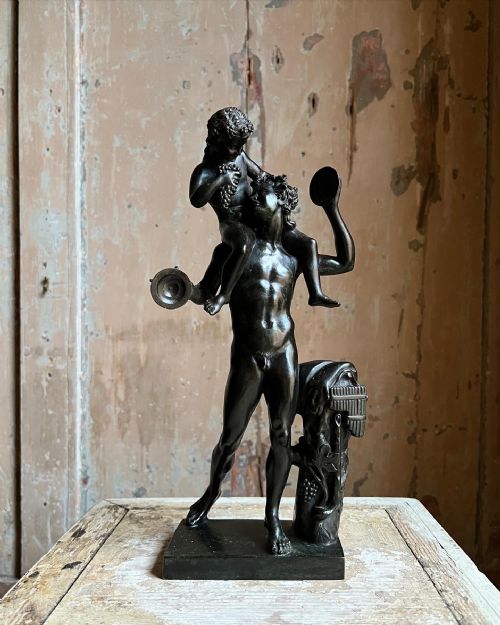
The selections on this page draw heavily on Grand Tour traditions and Neoclassical revival styles, reflecting European fascination with antiquity. Pieces range from single figures of Dionysus to complex groups involving maidens and infants.
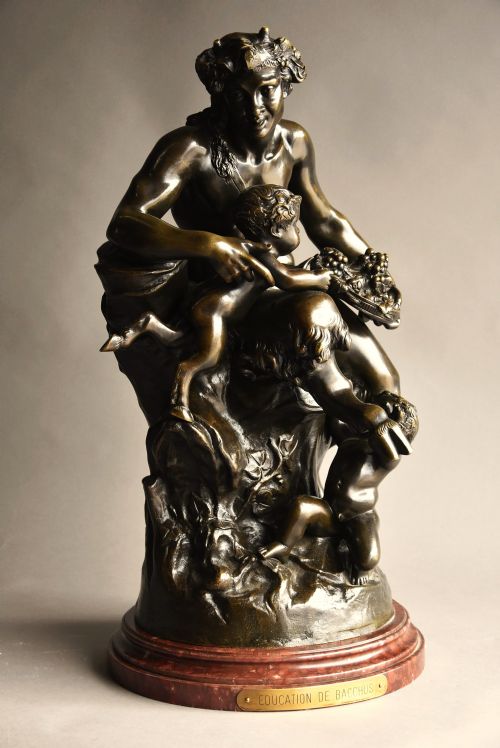
Most examples originate from French and Italian workshops, channelling classical models found in Pompeii or Roman statuary. Smaller porcelain figures sit alongside large bronze statues and marble groups mounted on circular bases.
Materials and methods
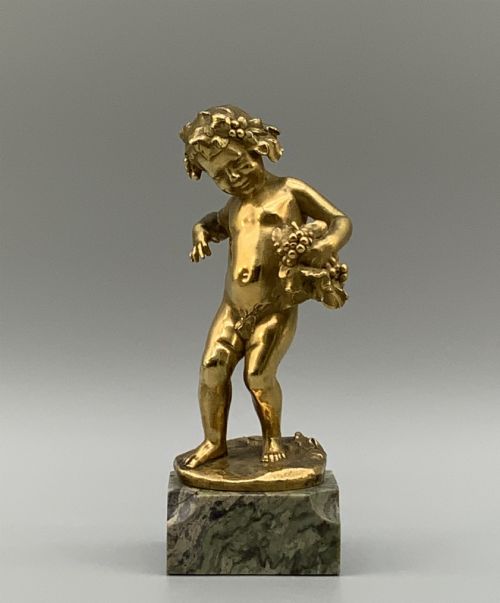
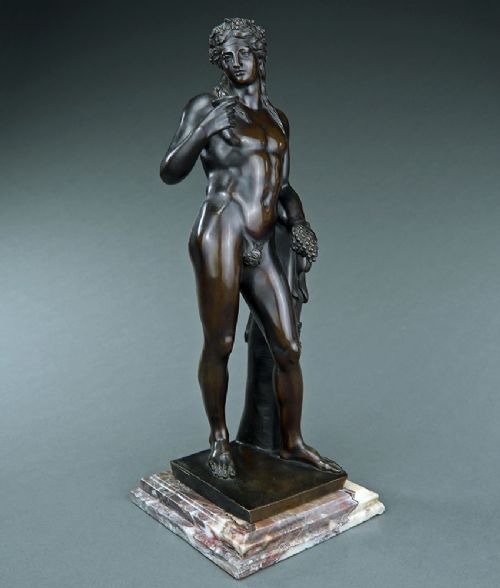
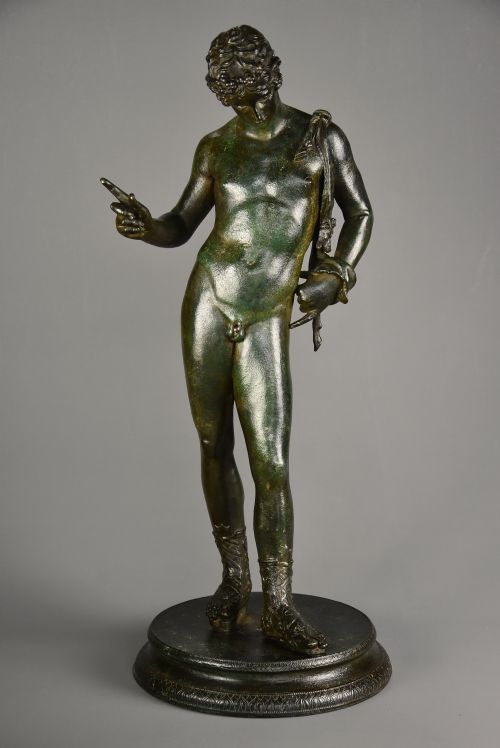
Foundry workers utilised traditional lost-wax casting for bronze pieces, applying patinated or gilt finishes to highlight musculature and drapery. Green patination appears frequently on Grand Tour bronzes to simulate archaeological finds.
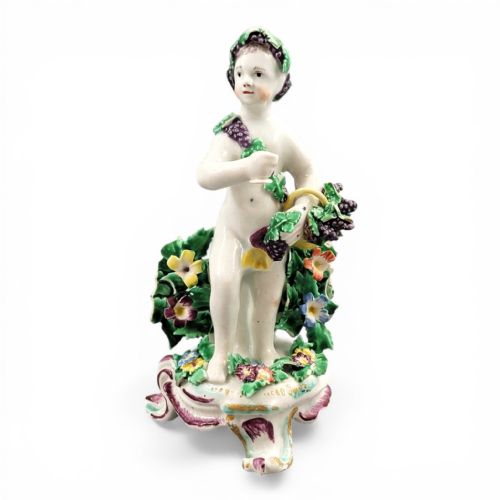
Carvers shaped white and Carrara marble into intricate sculptural groups, mirroring classical marble archetypes from antiquity. Porcelain figures rely on soft-paste bodies shaped in moulds and hand-painted with fine detail, as seen in eighteenth-century factory output.
Antique Bacchus Figure Retail Price Guide 2026
Typical asking prices for bacchus figure among the pieces listed under this phrase on Sellingantiques today, from the lower quarter to the upper quarter. They describe what is for sale here now, not the wider market.
Listings feature bronze, marble, gold leaf and soft-paste porcelain across Georgian, Victorian and twentieth-century periods.
Assessing quality and execution
The sharpness of the cast distinguishes superior bronzes from routine commercial output, particularly in facial expressions and the rendering of hair and foliage. Fine chasing work after casting removes seam lines and adds tactile depth to grapes, vines and drapery.
In marble and porcelain examples, anatomical proportion and the fluidity of the composition dictate merit. Master sculptors working in the Neoclassical tradition achieved balanced weight and convincing movement in multi-figure groups.
Louis Garnier·Charles Louis Malric·Susse Frères·Carlo Albacini·Claude Michel Clodian·Royal Worcester·Bow Porcelain
The Antique Bacchus Figure Glossary
- Grand Tour
- A cultural journey undertaken by wealthy young Europeans to view classical antiquities, resulting in the acquisition of bronze and marble replicas. These souvenirs emulate excavated Roman and Greek sculptures.
- Neoclassical
- An artistic movement drawing inspiration from the classical art and culture of ancient Greece and Rome. It prioritises restraint, proportion and heroic subjects.
- Patinated Bronze
- Bronze treated with chemical solutions to produce a coloured surface layer, such as deep brown or verdigris green. This mimics the appearance of buried antiquities.
- Soft-Paste Porcelain
- An early ceramic composition using ground glass and clay mixtures rather than hard kaolin. It yields a warmer lustre and softer glaze texture.
- Putto
- A plump, naked male child depicted in classical art, often winged and associated with playful mythological scenes. They frequently accompany Bacchus in grape-harvest groups.
Antique Bacchus Figure: Frequently Asked Questions
What is the difference between Bacchus and Dionysus?
Bacchus is the Roman name for the god of wine and agriculture, while Dionysus is the Greek equivalent. In sculptural art, both deities share identical iconography including grapevines, ivy crowns and thyrsus staffs.
Artists across the nineteenth century used the names interchangeably depending on whether their inspiration derived from Roman or Greek archaeological sources.
How do I identify a Grand Tour bronze?
Grand Tour bronzes typically exhibit distinct green or dark brown patination designed to evoke ancient burial conditions. They were produced in European centres, mainly Italy and France, as high-end souvenirs for travellers.
These figures usually reproduce famous excavated statues discovered at sites like Pompeii and Herculaneum during the eighteenth and nineteenth centuries.
Where should I display a heavy bronze sculpture?
Heavy bronze figures require sturdy furniture with a stable surface area, such as a hardwood console table or a dedicated pedestal. Positioning them away from direct heat sources prevents potential damage to patinated surfaces.
Ensuring adequate lighting from a lamp or window reveals the chased details and dimensional quality of the metalwork.
How do I care for marble and bronze figures?
Bronze sculptures need only gentle dusting with a dry microfibre cloth to remove settling particles. Avoid using liquid cleaners or oils that can strip original patination.
White and Carrara marble surfaces benefit from dry dusting, keeping abrasive materials far from polished or carved relief areas to protect the stone.