

Antique Automatic Timepiece
An antique automatic timepiece delivers mechanical self-winding precision from the mid-twentieth century, combining steady daily utility with enduring horological craftsmanship.
Antique Automatic Timepiece
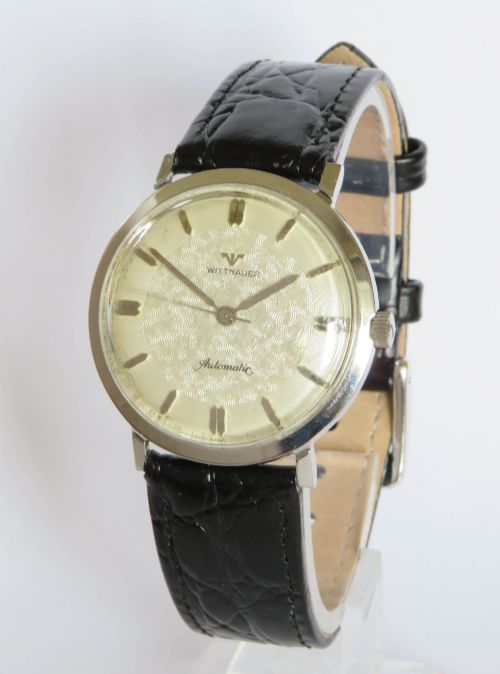
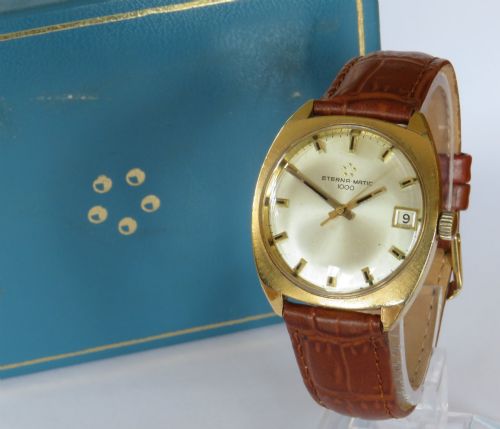
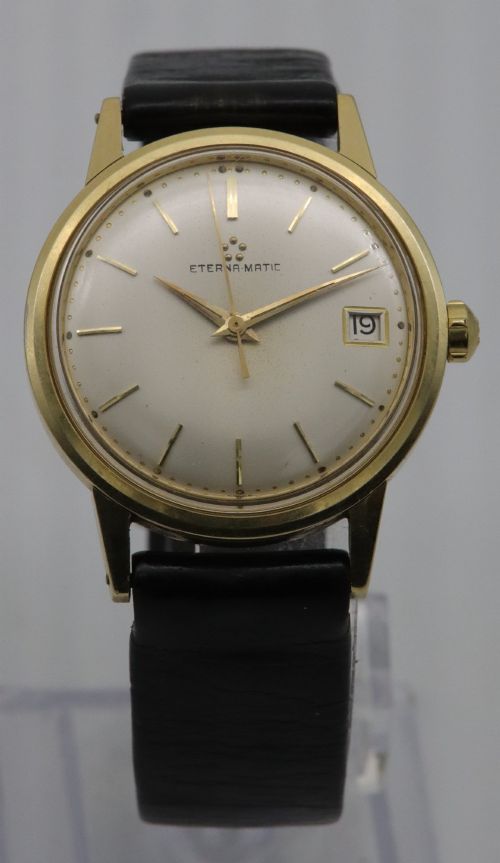
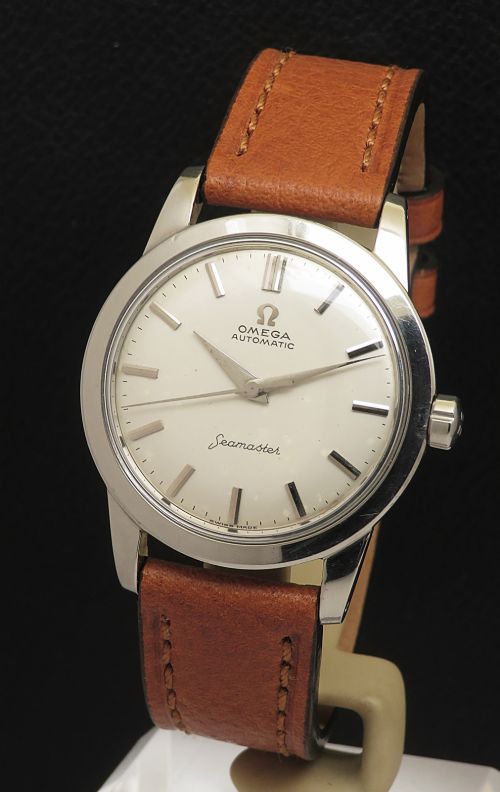
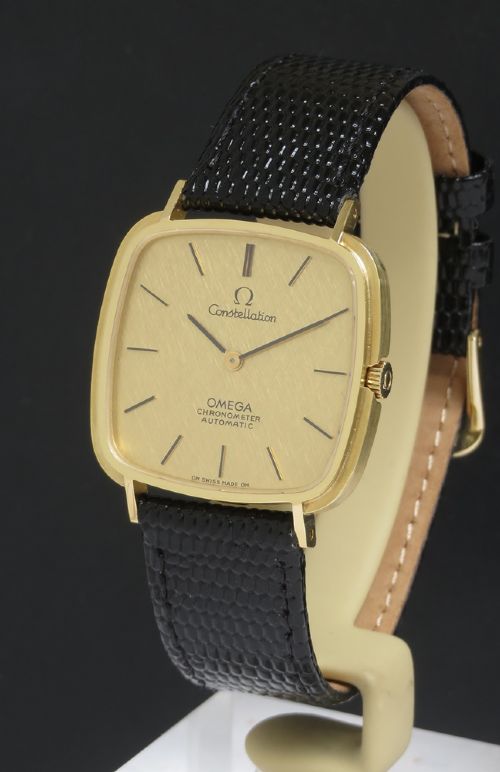
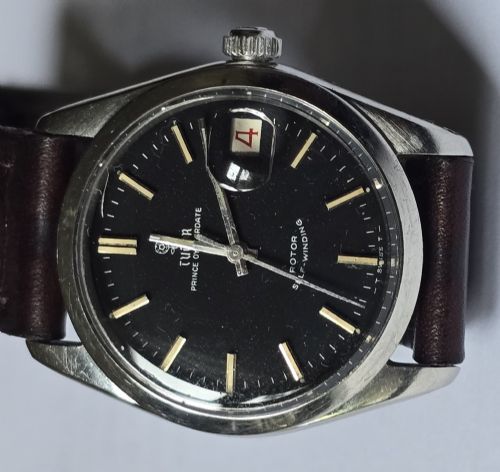
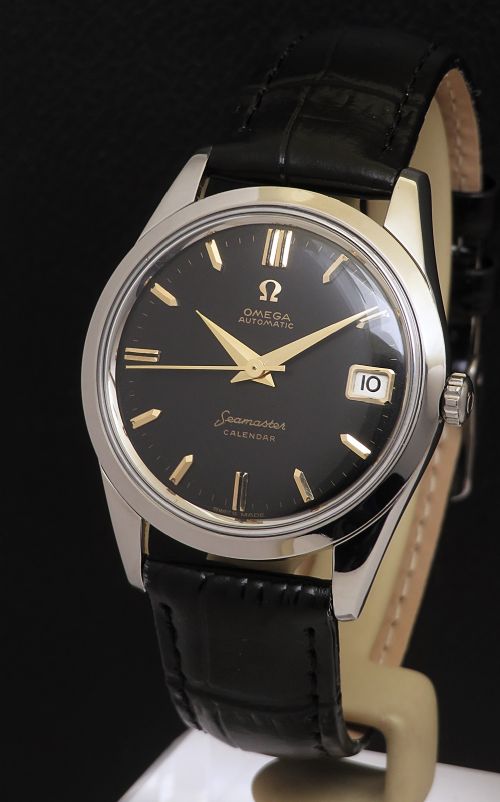
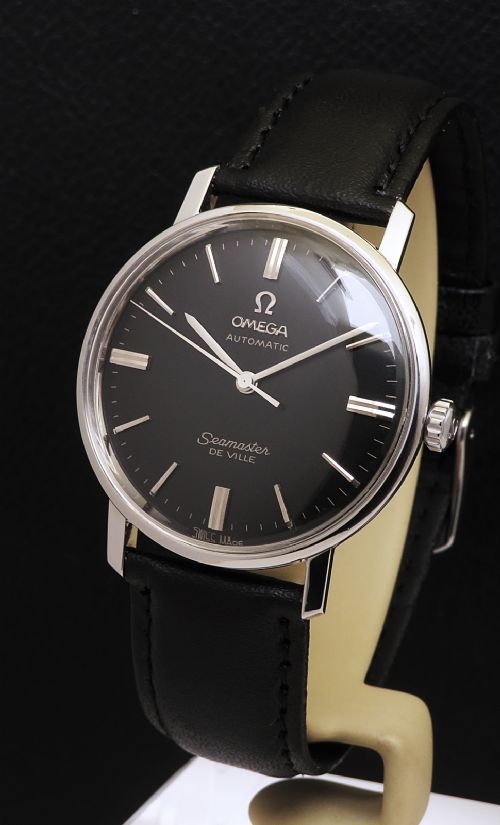
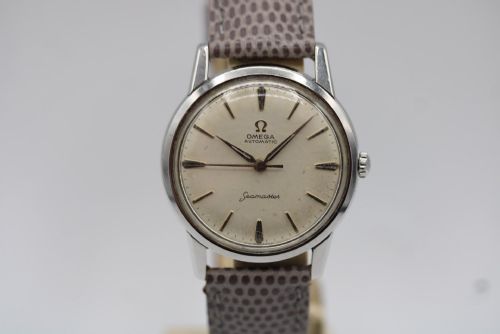
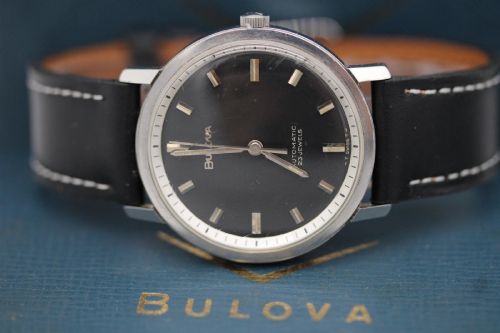
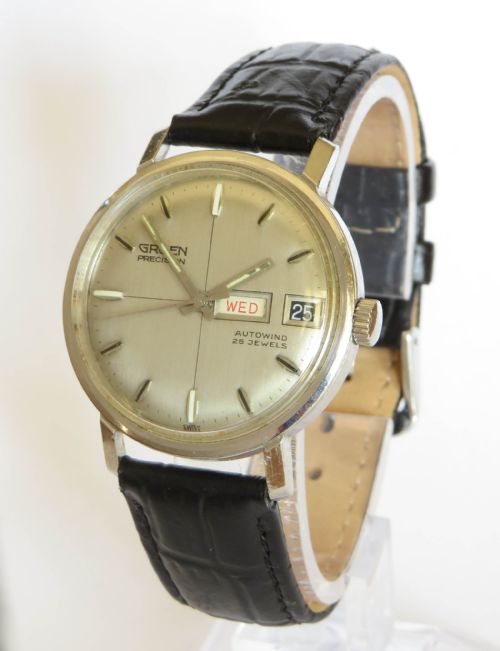
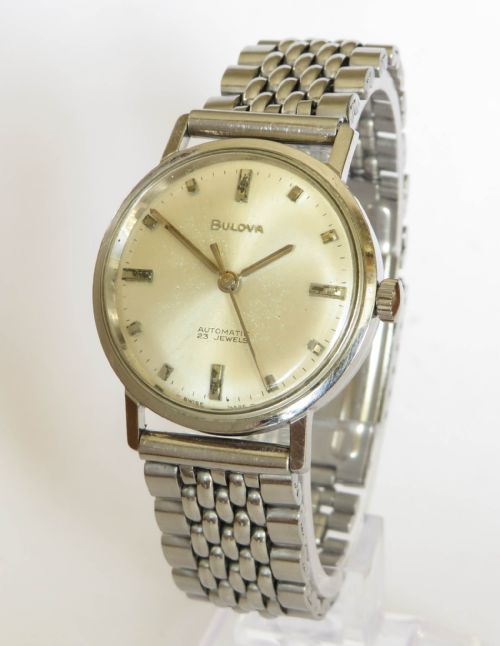
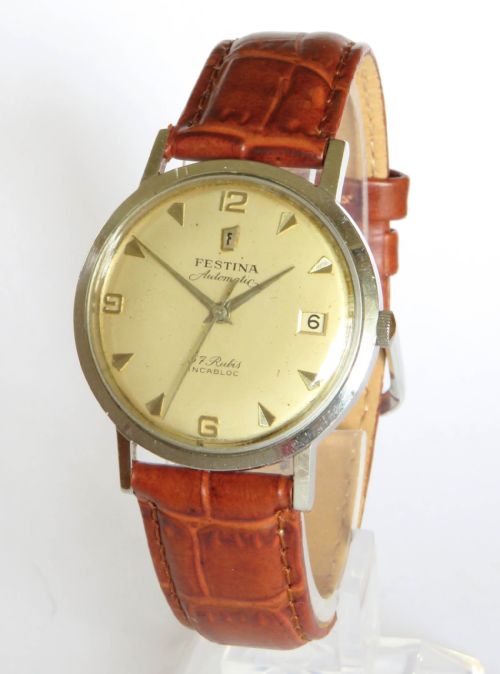
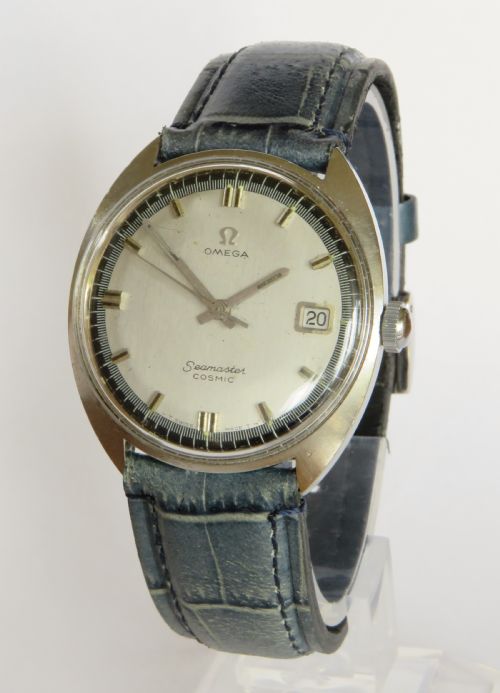
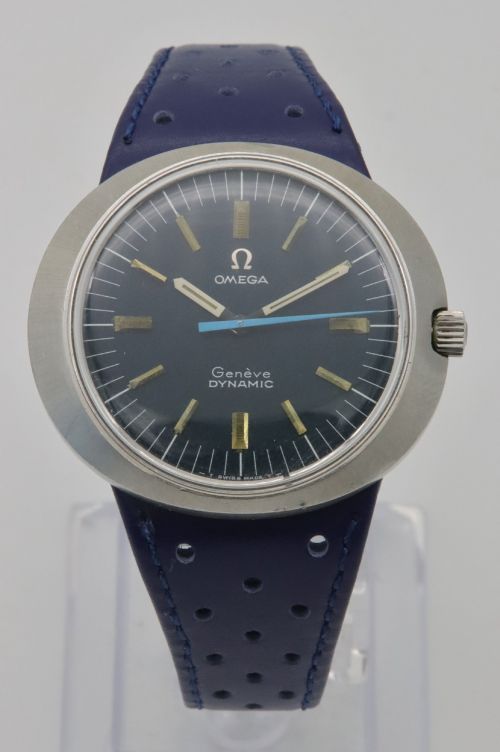
An antique automatic timepiece primarily manifests as a gents wrist watch dating from the decades of the mid-twentieth century. These items represent mechanical self-winding horology, utilising wrist movement to tension the mainspring during daily wear.
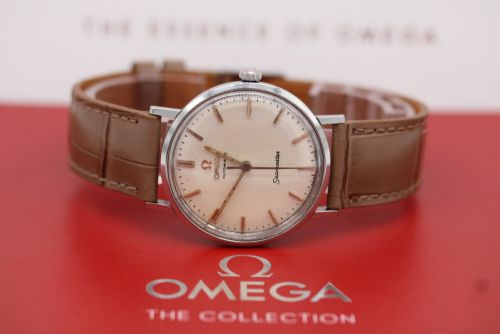
The selections encountered here span the 1940s, 1950s, and 1960s, reflecting the mid-century modern aesthetic. Formats range from standard wristwatches to specialised Seamaster and KonTiki models.
Makers and brands appearing in this category include established houses such as Omega, Bulova, Festina, Gruen, DeRe, and Eterna. Each piece demonstrates the transition toward practical automatic winding mechanisms in wristwatches.
How they were made
Construction relies upon durable metals including stainless steel and solid 9ct gold for cases, paired with acrylic glass crystals protecting the dials. Leather straps complete the assembly on many examples.
Movements incorporate internal self-winding engineering, such as bumper mechanisms and specialised calibres like the Omega 351, 552, and 562. Dials display patinated or champagne finishes alongside precise hands and hour markers.
Antique Automatic Timepiece Retail Price Guide 2026
Typical asking prices for automatic timepiece among the pieces listed under this phrase on Sellingantiques today, from the lower quarter to the upper quarter. They describe what is for sale here now, not the wider market.
The listings span the 1940s, 1950s, and 1960s, featuring stainless steel, gold plate, and solid 9ct gold materials.
What varies in quality
Material choice dictates the baseline tier of a piece, separating gold plate and stainless steel housings from solid 9ct gold constructions. The composition of the case directly influences both weight and longevity.
Movement sophistication and dial preservation distinguish individual examples. Refined internal calibres and original dials with distinctive patinas or champagne tones elevate the horological merit of a timepiece.
Bulova·Festina·Gruen·DeRe·Omega·Eterna
The Antique Automatic Timepiece Glossary
- Automatic
- A self-winding mechanical watch movement that uses a weighted rotor to wind the mainspring through natural wrist motion during wear.
- Calibre
- The specific internal mechanical movement manufactured for a watch model. It denotes the design and structural layout created by the maker.
- Bumper
- An early form of automatic movement where the oscillating weight swings back and forth against buffer springs rather than rotating fully 360 degrees.
- Acrylic glass
- A lightweight, clear synthetic material utilised for watch crystals during the mid-century period, valued for its clarity and polishability.
Antique Automatic Timepiece: Frequently Asked Questions
How do these automatic watches wind themselves?
These timepieces contain an internal weighted rotor that moves with the natural motion of the wearer's wrist throughout the day. This movement continually winds the mainspring, removing the need for manual daily winding.
Early examples may feature bumper movements where the weight swings within a limited arc, whereas later pieces utilise full rotor systems for continuous energy transfer.
How do I date an antique automatic timepiece?
Dating relies on recorded production years, movement calibres, and stylistic markers associated with the mid-twentieth century. Reference numbers and specific movement designs help assign pieces to the 1940s, 1950s, or 1960s.
Stylistic cues such as dial layouts and case geometry further assist in identifying the exact era of manufacture.
How should I care for a mid-century watch?
Regular gentle wear keeps the mechanical oils distributed properly within the internal movement. Avoid exposing vintage acrylic crystals and mechanical components to excessive moisture or magnetic fields.
Routine servicing by a qualified horologist ensures the internal gears and self-winding mechanisms continue to function accurately.