






Antique Asian Room Partition
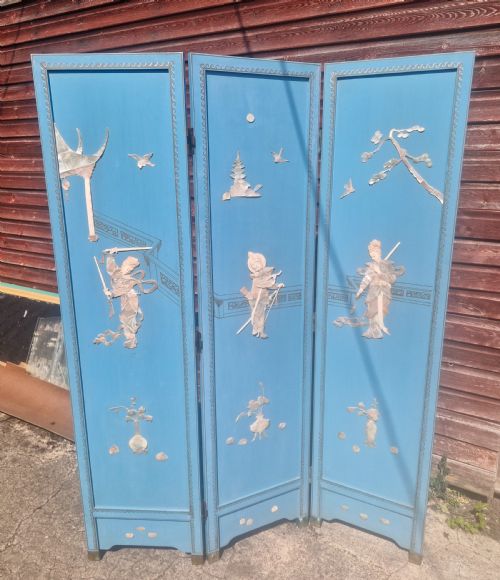
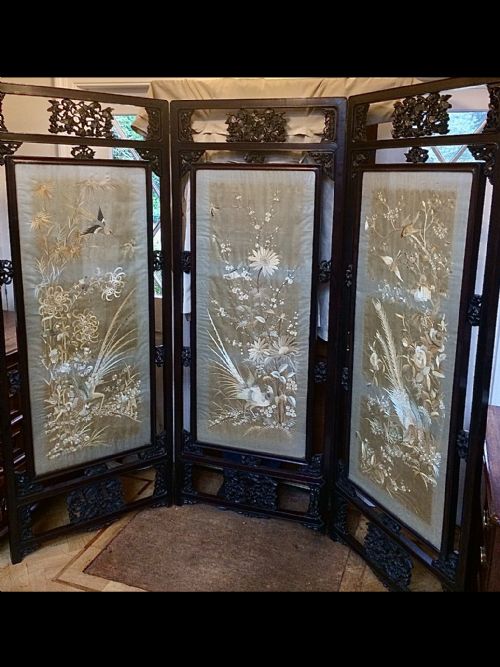
These antique asian room partition pieces divide spaces with rich lacquer and carved wood, bringing historic craftsmanship and dramatic depth to an interior.
Antique Asian Room Partition
An antique asian room partition brings structural division and decorative presence to an interior through folding panels and screens. These pieces serve to section off spaces or act as a striking backdrop within a room.
The selections here most commonly take the form of multi-panel folding screens and room dividers. Originating across various periods such as the nineteenth century and the early twentieth century, these panels utilise hinged construction to stand freely.
Makers shaped these items in diverse regional traditions, including Chinese export, Japanese export, and Burmese workshops. Buyers encounter forms ranging from compact three-fold dressing screens up to expansive eight-fold Coromandel examples.
Materials and construction methods
Wood and lacquer form the primary structural foundation of these screens. Artisans applied layers of black or coloured lacquer over solid timber panels, often building up deep surfaces ready for carving or painting.
Specialist techniques involved incising the lacquer and filling the recesses with pigments, mother-of-pearl, or gold leaf. Other examples incorporate delicate silk cotton fabrics, glass elements, and brass hinges to secure the folding leaves.
Antique Asian Room Partition Retail Price Guide 2026
Typical asking prices for asian room partition among the pieces listed under this phrase on Sellingantiques today, from the lower quarter to the upper quarter. They describe what is for sale here now, not the wider market.
Listings feature items spanning the Victorian era through the 1950s, utilising wood, brass, silk, and glass.
Distinctions in quality
The depth and crispness of the carving distinguish finer pieces from simpler decorative items. Master artisans achieved intricate relief work on dragon carvings and floral motifs that hold precise detail across multiple panels.
The richness of the lacquer surface and the subtlety of the painted or inlaid decoration dictate the visual weight of the screen. Superior examples display harmonious balance across every fold, maintaining integrity in both the front design and the reverse finish.
The Antique Asian Room Partition Glossary
- Coromandel
- A type of Chinese incised lacquerware where the wooden surface is covered in dark lacquer, carved into deep recesses, and filled with colours. This technique creates a distinctive screen with rich pictorial scenes.
- Chinoiserie
- A European decorative style reflecting Chinese artistic motifs, prominent in pieces like Chinese Chippendale folding screens. It interprets East Asian aesthetics through Western design traditions.
- Folding screen
- A piece of furniture consisting of several frames or panels connected by hinges, used to isolate an area or decorate a space. They vary from intimate three-fold dressing screens to grand eight-panel room dividers.
- Export art deco
- A style merging traditional Asian craftsmanship with modern geometric styling seen in twentieth-century pieces. It reflects the cross-cultural exchange of design during the period.
- Lacquered wood
- Timber coated with refined tree sap varnish to produce a durable, glossy, and moisture-resistant finish. This material forms the durable core of many historic room dividers.
Antique Asian Room Partition: Frequently Asked Questions
How do I use a folding screen in a modern room?
These panels work well to zone an open-plan space, create a private dressing area, or simply stand flat against a wall as a large decorative artwork.
Position the screen to catch natural light across the lacquer or carved surfaces, ensuring the hinges can support the angle safely without straining the joints.
What is the difference between Chinese and Japanese screens?
Chinese examples often feature deep-carved Coromandel lacquer or intricate dragon motifs built up in heavy wood panels. Japanese screens frequently lean towards painted silk, delicate lacquer work, and lighter folding frames.
Both traditions utilise multi-panel hinged construction, but the surface decoration and regional carving styles remain distinct.
How many panels do these room dividers usually have?
The inventory ranges from three-fold dressing screens up to grand eight-fold architectural dividers. Four-panel configurations appear most frequently among the surviving pieces.
Consider the scale of the room before choosing a larger multi-fold screen to ensure the panels fit the intended wall or floor space.
How can I tell the period of a screen?
Dating relies on examining the materials, hinge types, lacquer formulation, and stylistic cues such as Victorian interpretations or early twentieth-century export designs.
Comparing the woodwork and the specific painting techniques against documented examples helps narrow down the decade of manufacture.