
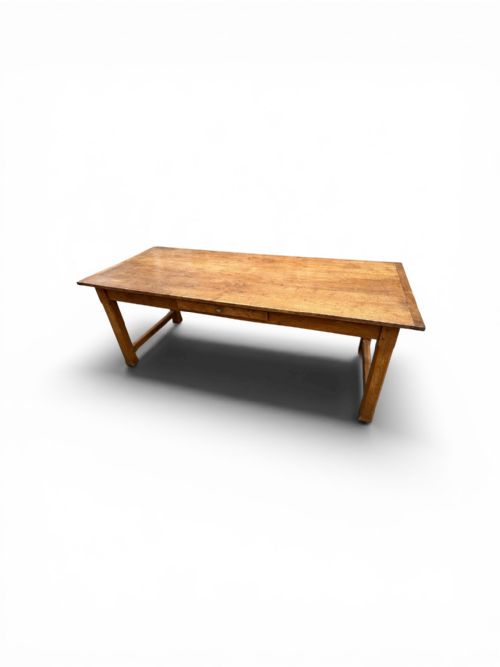


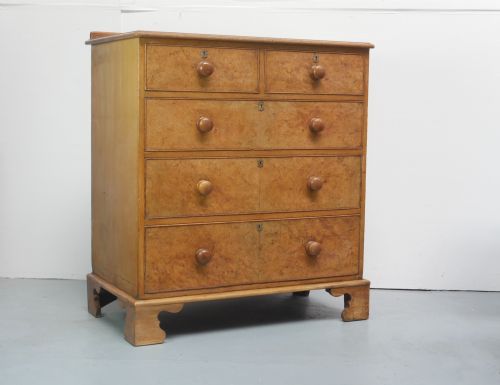


Antique Ash Drawers
Antique ash drawers bring a pale, striking grain and robust utility into a room, spanning nineteenth-century farmhouse pieces and Arts and Crafts designs.
Antique Ash Drawers
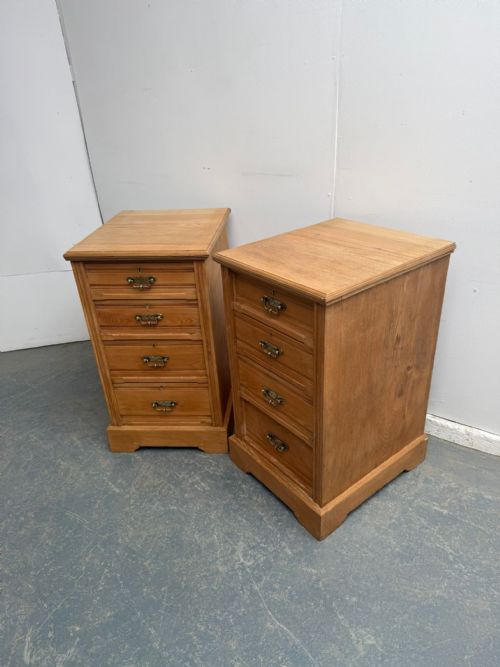
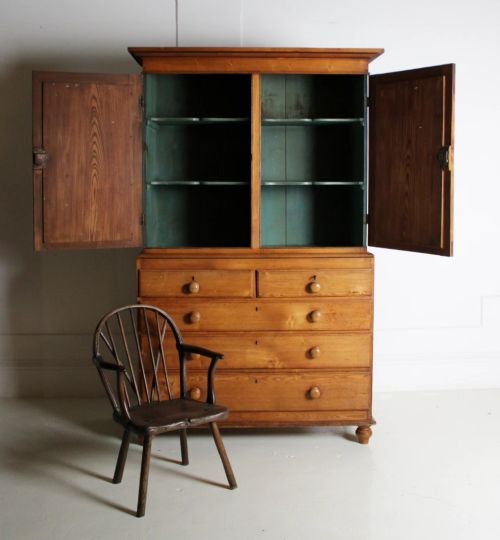
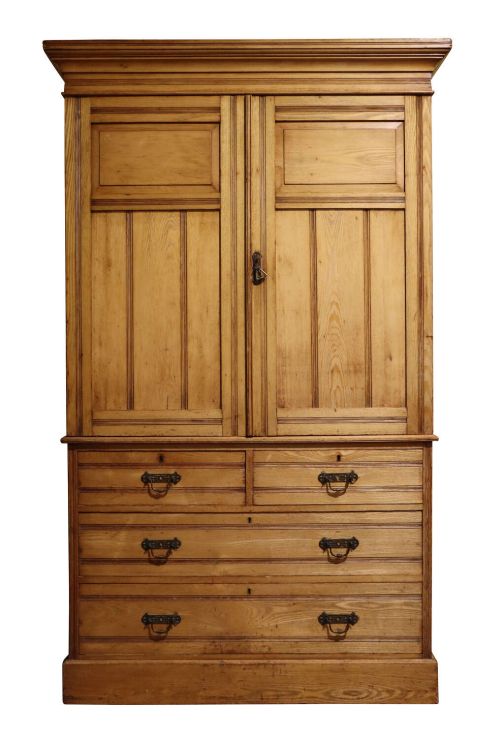
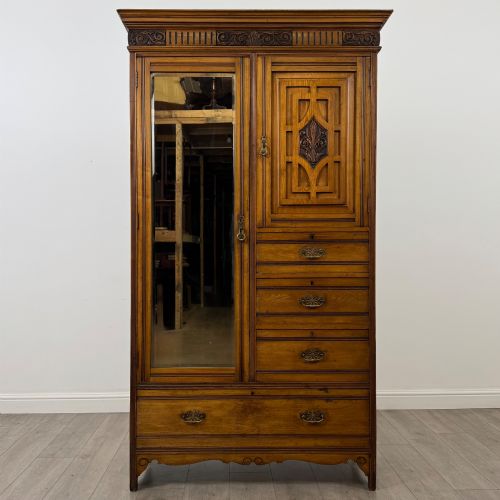
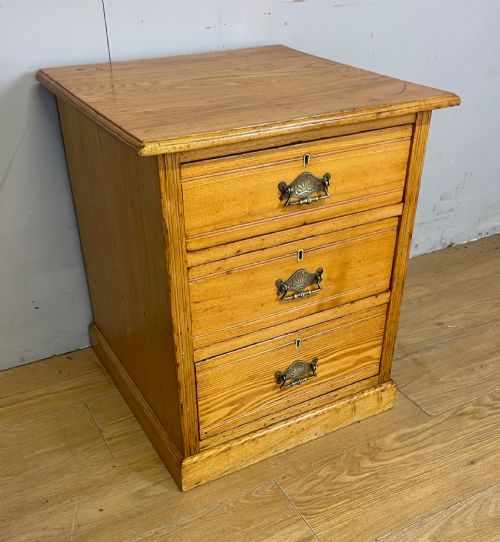
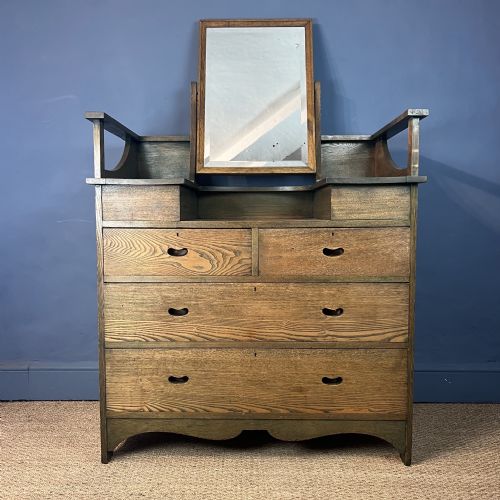
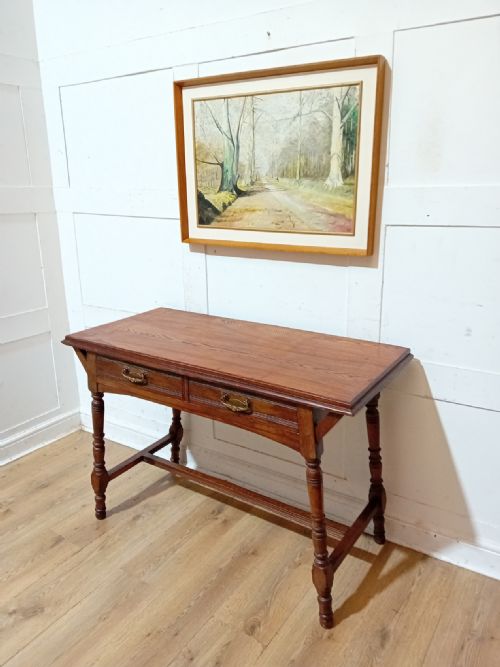
When searching for antique ash drawers, a buyer encounters a diverse range of furniture designed for storage and daily use. These pieces include chests of drawers, compactum wardrobes, linen presses, bedside cabinets, and side tables.
The selections span the nineteenth century through the Edwardian period, incorporating Victorian, Arts and Crafts, Louis Philippe, and rustic farmhouse styles. Solid ash and burr ash dominate the construction, often paired with brass or glass hardware.
Chest of drawers configurations appear frequently, alongside specialised items like dressing chests and writing desks. Pieces emerge from English workshops as well as continental traditions, showing both plain timber surfaces and occasional hand-painted treatments.
Materials and construction methods
Makers utilised solid ash, burr ash, and Hungarian ash for their tough properties and distinct, pale figuring. Timber sections were frequently combined with secondary woods like walnut or pine, particularly in drawer linings and internal framing.
Joinery techniques reflect traditional cabinet-making standards of the Victorian and Edwardian eras, utilising dovetails for drawer construction and sturdy framing for linen presses and wardrobes. Surfaces were finished with wax, polish, or occasionally paint, such as Swedish grey.
Metal hardware including brass pulls and handles was fitted to secure drawers and doors, while glass elements appeared on specific cabinet doors and mirrors associated with dressing chests.
Listings feature solid ash, burr ash, and Hungarian ash across Victorian and Edwardian periods.
Markers of distinction and craftsmanship
The selection of timber dictates much of the visual merit, with highly figured burr ash or Hungarian ash commanding attention over plain utilitarian boards. The choice of grain pattern across drawer fronts shows the maker's eye for symmetry and visual rhythm.
Construction integrity separates standard workshop production from notable design-led pieces associated with specific movements like Arts and Crafts or makers such as Maple & Co., George Walton, and Harris Lebus. Fine joinery details, well-fitted drawers, and original brass or glass hardware elevate a piece.
Maple and Co.·George Walton·Harris Lebus
The Antique Ash Drawers Glossary
- Ash
- A hard, tough timber known for its pale colour and prominent grain pattern. It was widely used in Victorian and Arts and Crafts furniture for its strength and resilience.
- Burr ash
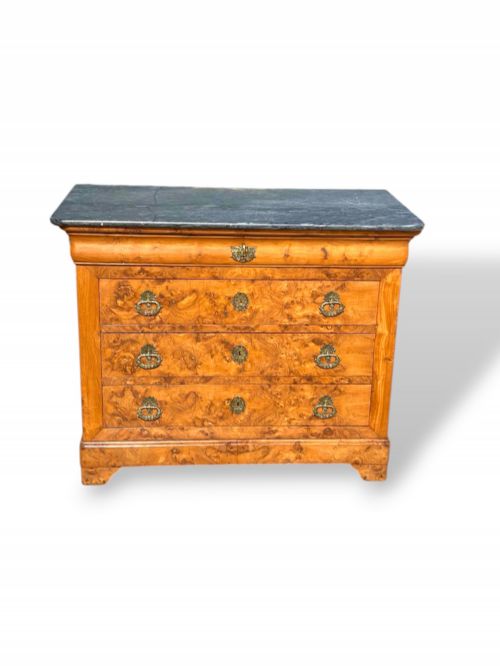
- A specialised wood growth yielding swirling, knotty patterns across the surface. This highly decorative veneer or solid timber was favoured for commodes and cabinet fronts.
- Compactum
- A large, fitted wardrobe combining hanging space with multiple internal drawers and compartments. These pieces offer extensive storage within a single footprint.
- Linen press
- A tall cupboard featuring upper shelving enclosed by doors and lower drawers for textiles. They served as primary storage before fitted closets became standard.
- Wellington chest
- A tall, slender chest of drawers secured by a hinged locking side flap that is fastened with a key. This form originated in the nineteenth century for efficient paper and clothing storage.
Antique Ash Drawers: Frequently Asked Questions
What periods do antique ash drawers come from?
The available pieces predominantly date from the nineteenth century through the Edwardian era. This spans Victorian production, Arts and Crafts movements, and turn-of-the-century workshop output.
Most examples cluster around the late Victorian period and the decades surrounding nineteen hundred. Stylistic markers help align unmarked items with these specific decades.
How do I identify burr ash?
Burr ash displays dense, swirling patterns and knots caused by tree growths rather than straight grain lines. It creates a highly textured surface that catches the light differently than standard timber.
Cabinetmakers typically used this striking material on prominent exterior surfaces like drawer fronts and commode tops to create visual contrast.
Where were these pieces used originally?
These items served functional roles across domestic spaces including bedrooms, dressing rooms, and farmhouse kitchens. Chests, wardrobes, and bedside cabinets organised clothing and personal items.
Larger furniture like linen presses and side tables accommodated household textiles and dining necessities in period homes.
How should I care for ash furniture?
Maintain finished ash surfaces with appropriate wax polishes to preserve the timber's natural tone and moisture balance. Avoid placing pieces near direct heat sources or strong sunlight to prevent warping and fading.
Regular dusting with a soft cloth keeps the prominent grain clear and protects the vintage finish from abrasive buildup.