


Antique Artist Model Figure
An antique artist model figure is an articulated wooden or plaster study aid that brings character and sculptural presence to a room.
Antique Artist Model Figure
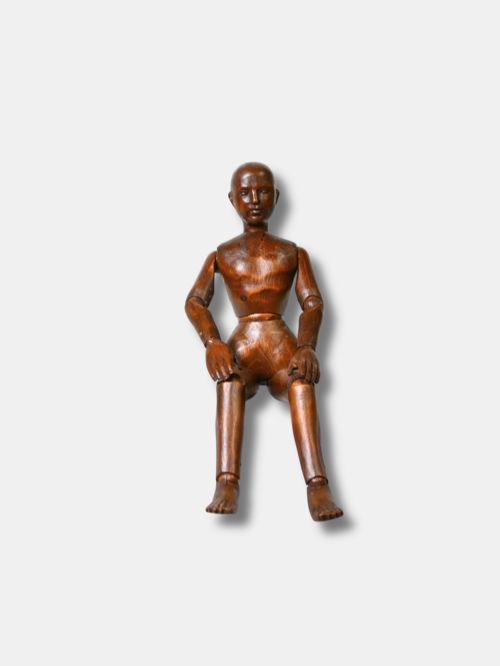
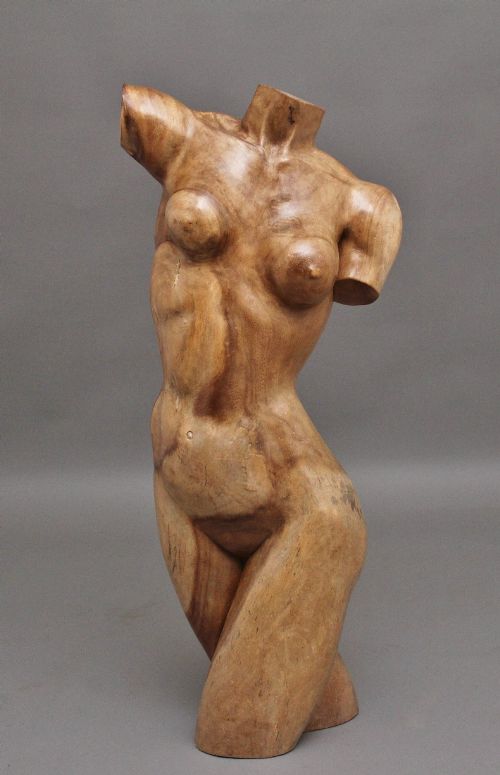
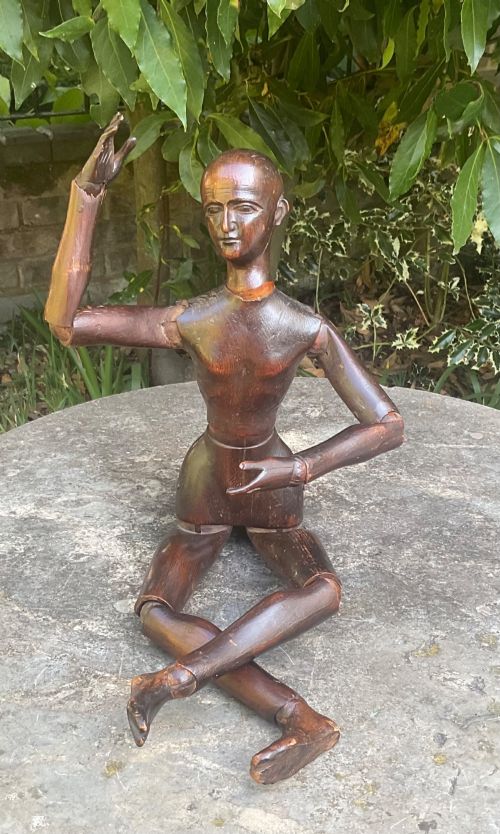
An antique artist model figure serves as a studio study aid, taking the form of fully articulated wooden lay figures, mannequins, and life-size torsos. These objects originate from the nineteenth century through the early twentieth century, spanning Victorian, Edwardian, and early twentieth-century modernism periods.
How they were made
Makers fashioned these pieces primarily from carved wood and hardwood, utilising pegged joints and internal metal pins to achieve full articulation in the limbs and torsos. This construction allowed the figures to hold specific poses for extended periods.
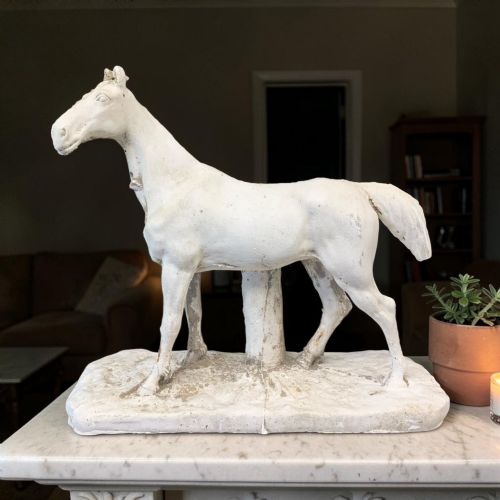
Other examples employ plaster and terracotta, cast into moulds to capture the precise musculature and proportions required for anatomical and sculptural study. These materials provided the rigid durability necessary for rigorous studio use.
Among the human forms, a studio plaster cast of a horse stands ready for duty.
What varies in quality
The sophistication of the articulation and the precision of the carving dictate the standing of an individual piece. Fully articulated wooden figures with working joints and well-defined human proportions represent the more complex end of the scale.
Material choice also influences the character of the object, as finely carved hardwood displays greater attention to anatomical detail than simpler plaster casts or generic forms. The integrity of the original joints and the survival of surface wear reflect the utilitarian history of each piece.
The Antique Artist Model Figure Glossary
- Lay figure
- An articulated wooden model used by artists to arrange drapery and study the human form. These figures possess movable joints that replicate human movement.
- Articulated
- Jointed in a manner that allows parts to move flexibly. This mechanical feature permitted artists to position the limbs realistically.
- Terracotta
- Fired clay used for sculptural models and anatomical figures. This ceramic material allowed makers to model detailed surface textures before firing.
- Plaster cast
- An object formed by pouring plaster into a mould to capture fine sculptural detail. These casts served as durable reference models in nineteenth and twentieth-century studios.
Antique Artist Model Figure: Frequently Asked Questions
What is an artist lay figure?
An artist lay figure is a jointed wooden model used historically by painters and sculptors to study drapery and human anatomy.
These figures were positioned in complex poses to serve as reliable visual references in the studio.
How were these figures used?
Makers and artists used these models to hold challenging postures and fabric folds when live sitters were unavailable.
They provided consistent lighting and proportion studies for academic and studio artists.
How do I date a lay figure?
Dating relies on examining the construction of the joints, the turning of the wood, and the overall sculptural style.
Nineteenth-century examples often display pegged wooden articulation, while early twentieth-century pieces incorporate modern machining techniques.
Where should I display one?
These figures suit study spaces, living rooms, and hallways where their sculptural silhouette and articulated form can be appreciated.
Their neutral wood, plaster, and terracotta tones integrate easily into various interior styles.