



Antique Artillery Model
An antique artillery model carries the heavy presence of naval and field warfare into a study or drawing room.
Antique Artillery Model
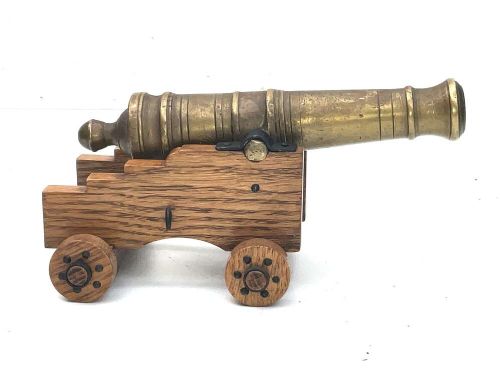
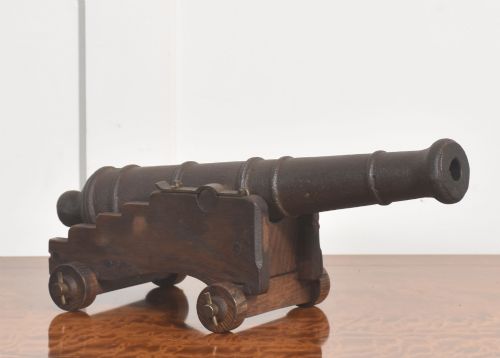
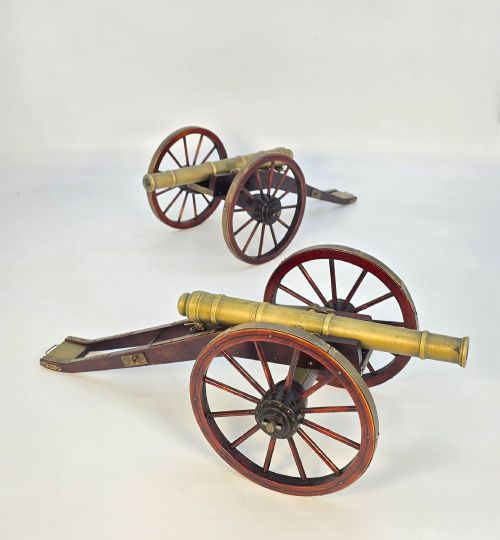
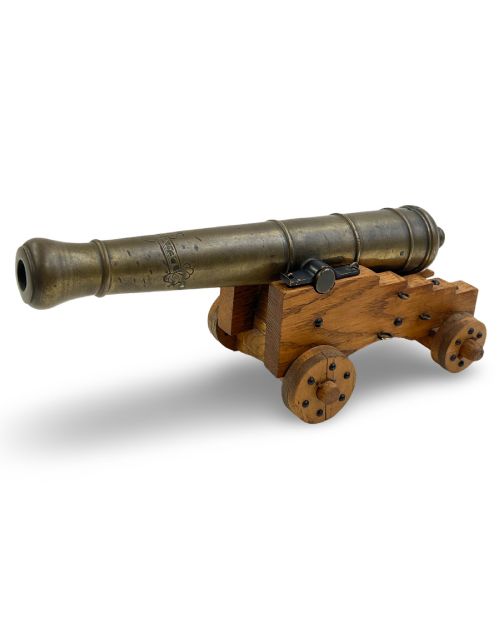
When you search for an antique artillery model, you encounter scale pieces built as desk ornaments, decorative objects, and working signal cannons. These items take the form of muzzle-loaded field guns, fortress cannons, and ship of the line armaments.
Makers produced these objects to replicate naval broadsides and field artillery, ranging from diminutive desk-top display pieces to heavy bronze signal cannons capable of firing. Each piece preserves the proportions and mechanical arrangements of full-scale ordnance.
How these models were made
Foundries cast the barrels of these models in brass, bronze, cast iron, and polished steel, utilising traditional metal-working methods to render accurate bores and stepped trunnions. Metal components exhibit the patination of age, showing the honest wear of past centuries.
Carriages and undercarriages utilise dense hardwoods such as oak and mahogany, joined with metal straps, bolts, and fittings to support the heavy barrels. Artisans shaped these wooden mounts by hand to replicate the steppes and trail boards of military ordnance.
Antique Artillery Model Retail Price Guide 2026
Typical asking prices for artillery model among the pieces listed under this phrase on Sellingantiques today, from the lower quarter to the upper quarter. They describe what is for sale here now, not the wider market.
Listings feature models spanning the 18th century, the Victorian era, and the 1920s, constructed from brass, bronze, iron, oak, and mahogany.
What varies in quality
The standard of an antique artillery model rests upon the fidelity of its scale proportions and the crispness of the metal casting. Superior examples show precise detailing in the reinforcing rings of the barrel and the clean joinery of the carriage.
Material selection and finish differentiate fine desk ornaments from standard decorative pieces. Solid bronze barrels paired with heavy hardwood carriages and functional metal fittings demonstrate a higher tier of craftsmanship than simpler cast iron versions.
The Antique Artillery Model Glossary
- Signal cannon
- A small ordnance piece designed to make a loud report rather than fire a projectile, often used for salutes or yacht racing. These pieces typically feature heavy bronze or iron barrels mounted on wooden steps.
- Trunnion
- The cylindrical projections on either side of a cannon barrel that attach it to the carriage and allow elevation. On quality models, these are cast as an integral part of the barrel.
- Carriage
- The mounting structure that supports the cannon barrel, allowing it to rest securely on a desk or table. They are constructed from hardwoods like oak and mahogany or fashioned from cast iron.
- Colubrina da fortressa
- A historical term describing a long-ranged fortress cannon reproduced in miniature scale. These models reflect specific defensive artillery patterns of the early modern era.
- Gribeauval system
- A standardised artillery design introduced in France, replicated in miniature by period military modellers. Models following this pattern display distinct French military proportions.
Antique Artillery Model: Frequently Asked Questions
Can these antique cannons actually fire?
Some pieces on this page are designated as signal cannons, which were historically built with heavy metal barrels intended to produce a loud report using gunpowder. However, decades or centuries of age mean many have degraded structurally.
Buyers should treat them strictly as decorative objects and consult a specialist before attempting any discharge.
How do I date an artillery model?
Dating relies upon stylistic markers of the carriages, the metallurgy of the barrel, and any inscribed text or historical military patterns referenced in the design. Pieces reflecting French Gribeauval or 18th-century naval styles often carry specific period characteristics.
Comparing the construction methods of the wood and metal against known military histories helps narrow down the decade of manufacture.
Where were these models originally displayed?
Historically, such models sat upon the mahogany desks of naval officers, military commanders, and wealthy gentlemen with maritime interests. They served as conversation pieces and symbols of technological power in studies and libraries.
Victorian and Georgian interiors favoured them as striking decorative objects that signalled an appreciation for martial history.
What is the difference between brass and bronze barrels?
Bronze contains a copper and tin alloy that yields a deep, warm patination and superior tensile strength, which explains its frequent use in high-end signal cannons. Brass, an alloy of copper and zinc, tends to present a brighter yellow tone and was often chosen for decorative desk ornaments.
Both metals age distinctly over the centuries, developing unique surface patinas depending on their environmental exposure.