




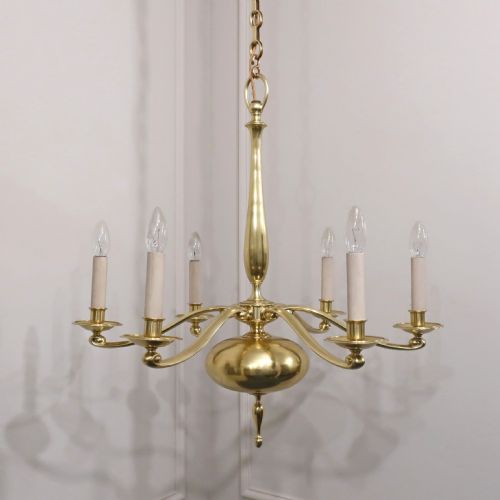
Antique Art Nouveau Light
These antique art nouveau light pieces bring organic form and fluid metalwork into domestic spaces.
Antique Art Nouveau Light
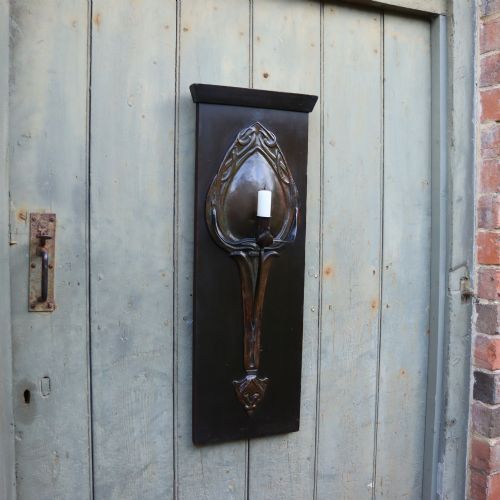
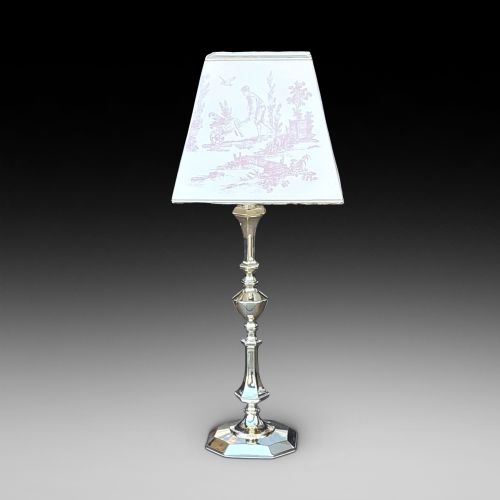
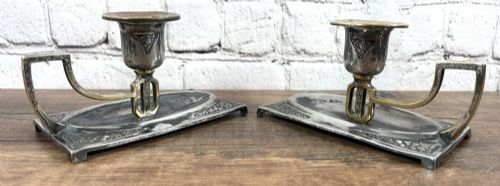
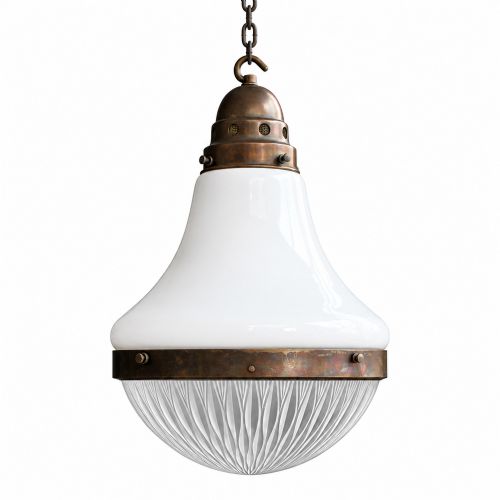
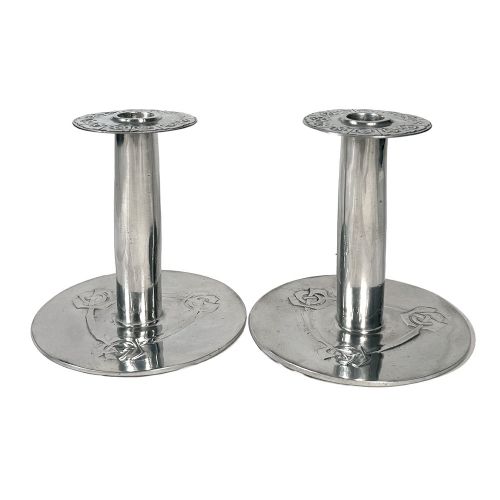
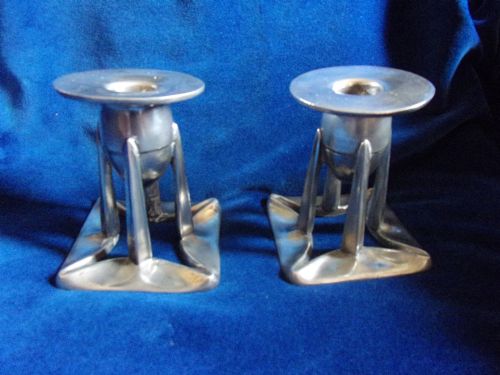
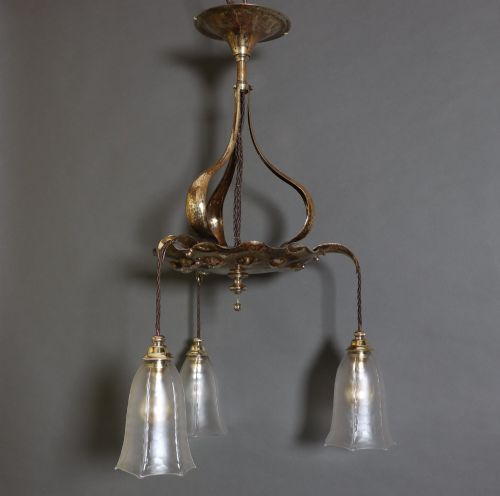
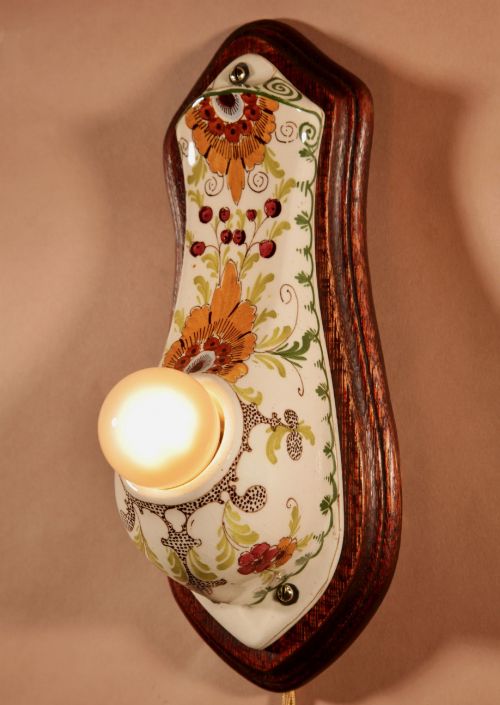
When you search for antique art nouveau light, you encounter lighting fixtures spanning the late nineteenth century through to the early decades of the twentieth century, including the Edwardian period. The selection encompasses table lamps, chandeliers, wall sconces, ceiling lights, and standard lamps produced across Britain, France, and Europe.
Brass, copper, and pewter form the primary metallic structures, often paired with hand-blown glass or ceramic elements. Styles range from mainstream Art Nouveau and Arts and Crafts to Jugendstil, Vienna Secession, and early Art Deco variants.
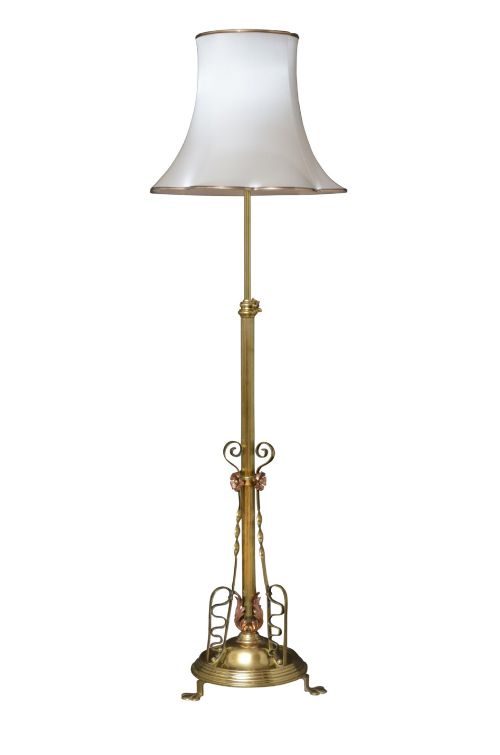
Table lamps and slender brass standards represent the most frequent domestic forms found within this design category. Makers and metalwork studios utilise organic motifs, whipped lines, and botanical styling characteristic of the period.
Materials and construction methods
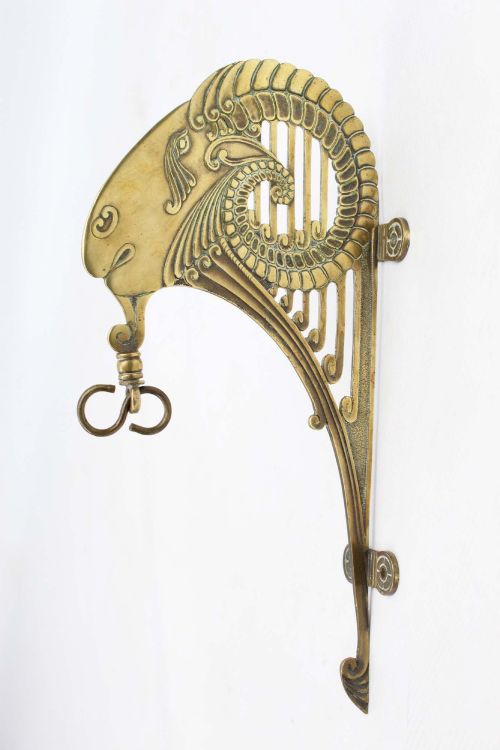
Foundry work utilises cast and beaten brass, copper, and pewter, sometimes treated with silver plating or gilt bronze. Metal components undergo processes such as open-twisting, height adjustment mechanisms, and riveting.
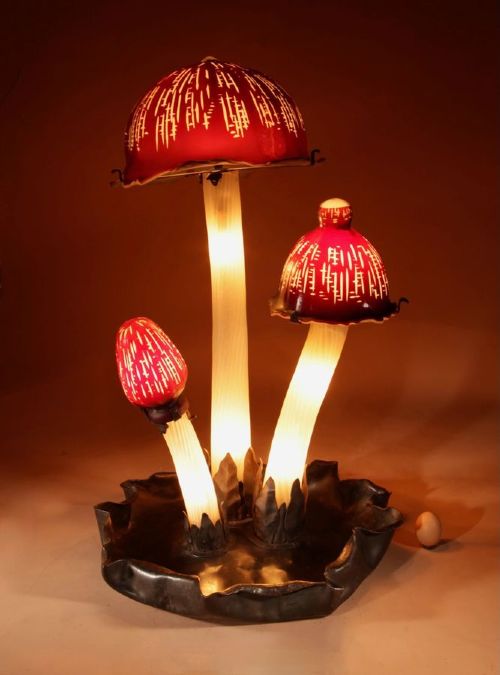
Shades and vessels combine hand-blown glass, ceramic, and fabric elements to diffuse illumination. Pewter designs frequently incorporate enamel cabochons or hammered surfaces executed by hand.
Antique Art Nouveau Light Retail Price Guide 2026
Typical asking prices for art nouveau light among the pieces listed under this phrase on Sellingantiques today, from the lower quarter to the upper quarter. They describe what is for sale here now, not the wider market.
Listings span the nineteenth century, Victorian era, Edwardian period, and the 1920s through 1930s.
Distinguishing quality in period lighting
Subtlety of organic form and crispness of cast detail separate standard production pieces from superior works. Heavier gauges of brass and copper indicate robust construction, whereas thinner sheet metal yields easily to pressure.
The integration of secondary materials such as enamel work, hand-blown glass, and specialised fittings elevates a piece. Maker attribution, whether through stamped signatures or documented foundry designs, distinguishes workshop output from anonymous manufacturing.
Jason and Joseph Kohn·Archibald Knox for Liberty and Co·WMF·L and F Moreau·G.E.C·Gustave Serrurier Bovy·Moorcroft·Georges Leleu·WAS Benson
The Antique Art Nouveau Light Glossary
- Jugendstil
- The German and Central European variant of Art Nouveau. This movement emphasises botanical lines and flat graphic designs in decorative arts.
- Pricket candlestick
- A candleholder featuring a central spike to secure the wax candle. These appear frequently in altar and domestic metalwork.
- Spelter
- An alloy of zinc and lead used as a cheaper substitute for bronze. It takes patination well but possesses a lower melting point and tensile strength.
- Tudric
- The trade name used by Liberty and Co for their range of pewter holloware. Archibald Knox designed many of these distinctive pieces.
- Vienna Secession
- An association of Austrian artists who broke away from the traditional academy. Their work leans toward geometric clarity alongside organic motifs.
Antique Art Nouveau Light: Frequently Asked Questions
How do I rewire an antique brass lamp?
Rewiring requires accessing the internal channel of the standard or base to feed modern electrical cable through the original brass tubing. Modern earth wiring must be connected to metal bodies for safety.
Professional electricians should handle the installation of period conversions to ensure compliance with current safety regulations without altering visible components.
What is the difference between Art Nouveau and Arts and Crafts?
Art Nouveau focuses on undulating, whiplash lines inspired by natural plant stems and floral growths. The aesthetic values sinuous movement and decorative fluidity above all else.
Arts and Crafts emphasises visible construction, honest materials, and medieval guild traditions. Its forms tend toward structural simplicity and hand-beaten surfaces rather than organic flowing curves.
How do I clean antique brass and copper?
Dusting with a dry microfibre cloth removes surface particles without disturbing the underlying patina. Avoid harsh chemical polishes that strip historical age from the metal.
Preserving the dark oxidation on copper and brass maintains the visual depth expected from items produced around nineteen hundred.
Were these lights originally electric or oil?
Many standard lamps and table lights began as oil burners or paraffin lamps before conversion to electricity during the twentieth century. Ceiling fixtures and brackets were manufactured for early electric bulbs or gas.
Examining the burner assembly or font often reveals whether a piece burned fuel or housed early electrical contacts.