
Antique Art Easel
These antique art easel designs hold canvases and display mirrors or frames, bringing period character and practical function to a room.
Antique Art Easel
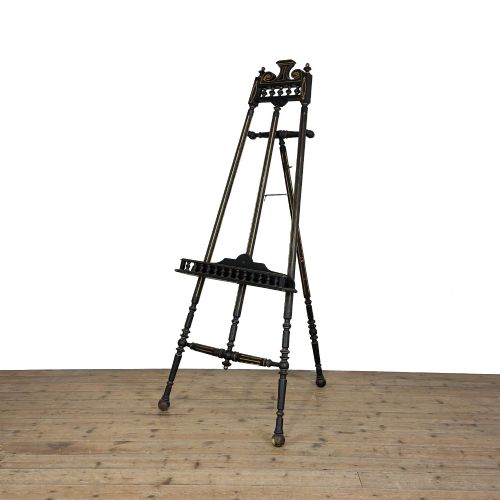
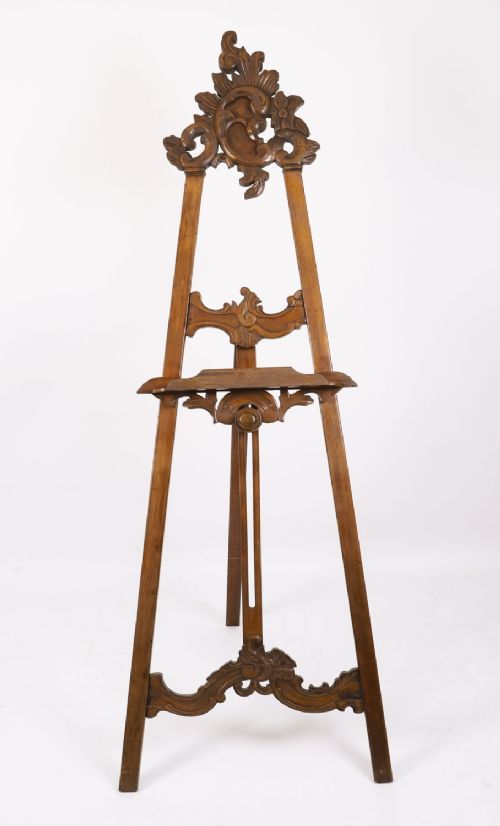
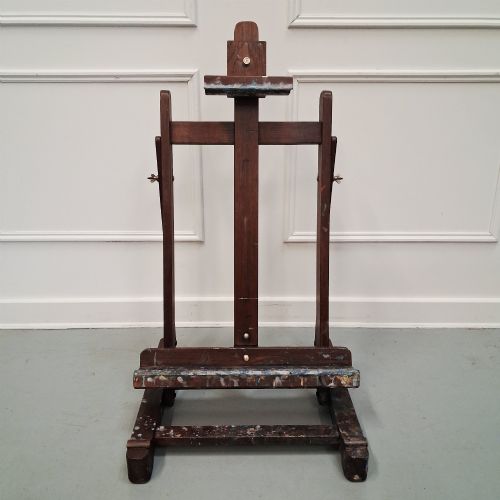
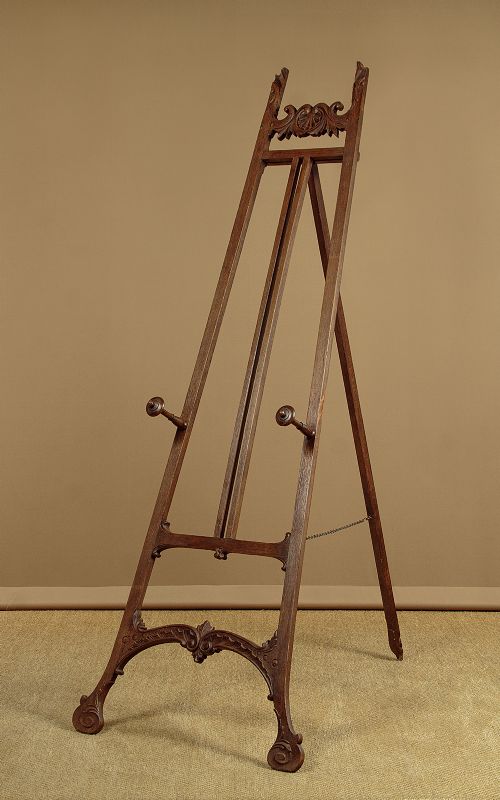
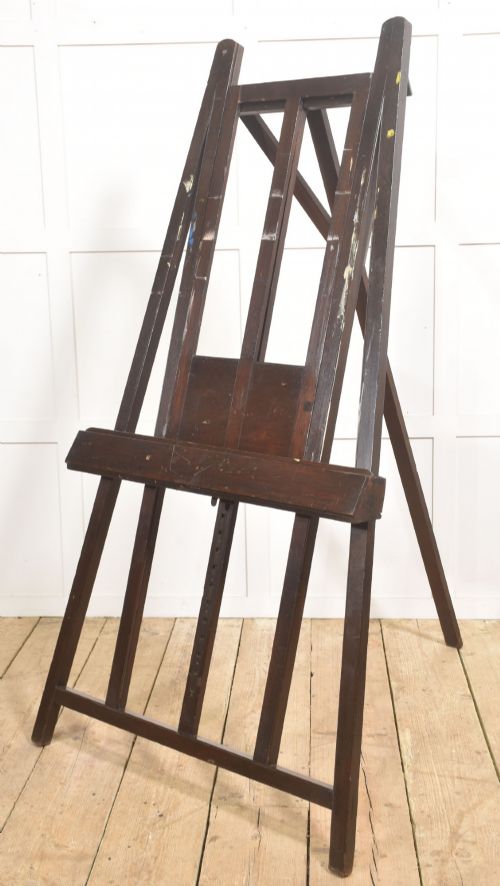
An antique art easel supports paintings, photographs, and mirrors, ranging from large studio pieces to small tabletop items. You encounter floor-standing models designed for artists alongside smaller display stands meant for domestic dressing tables.
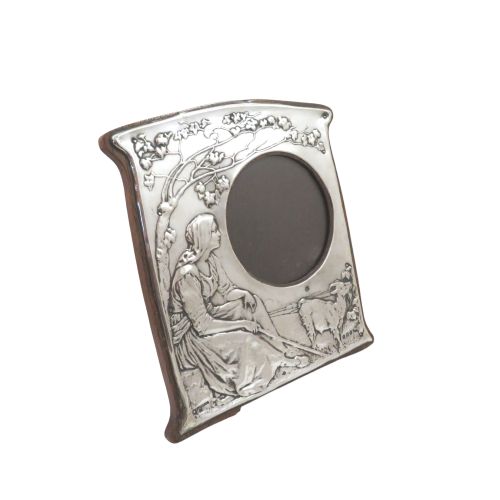
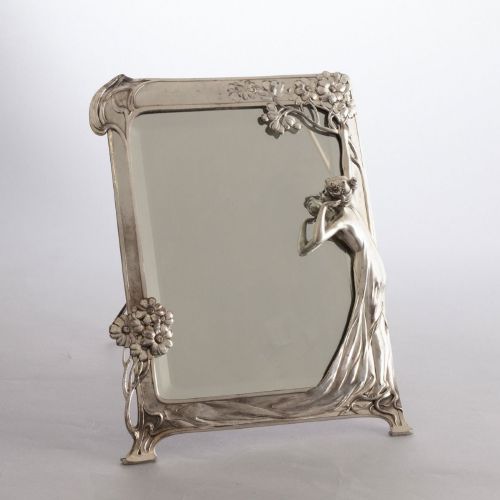
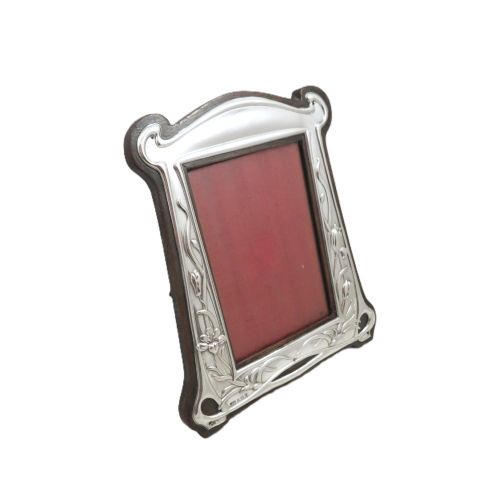
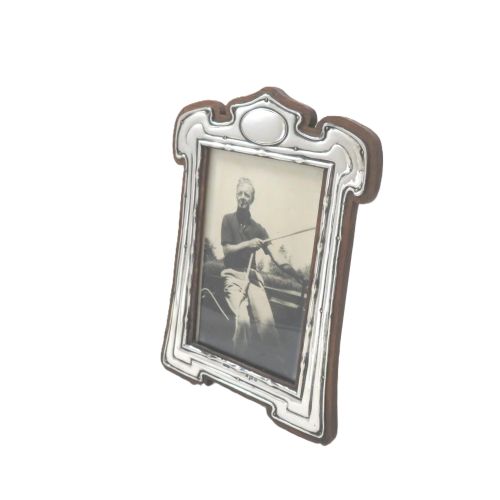
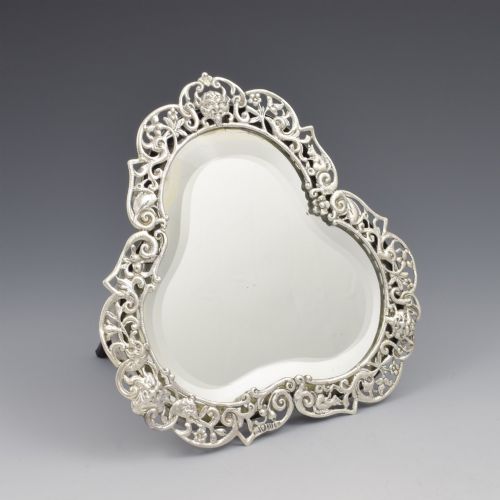
The selection includes specimens from the Victorian and Edwardian eras, as well as the Art Nouveau and Art Deco periods. Forms extend from heavy mahogany studio frames to delicate brass, silver-plated, and sterling silver tabletop frames with strut backs.
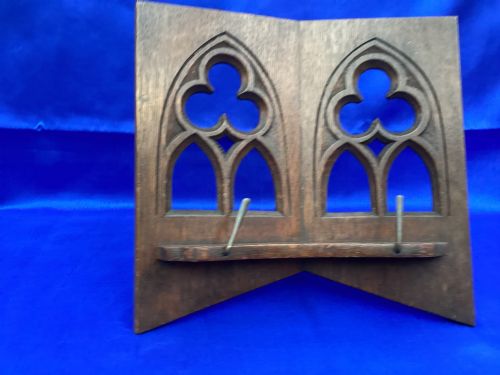
Origins vary across British, French, German, and Italian workshops, reflecting diverse regional styles from Gothic Revival to French Provincial and Aesthetic Movement.
Materials and construction methods
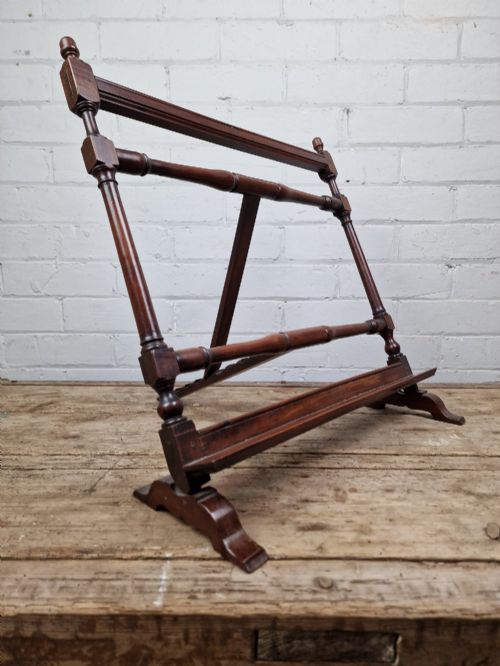
Timbers such as oak, mahogany, walnut, and pitch pine form the structure of floor-standing and tabletop wooden items, sometimes enhanced by ebonising or marquetry. Joinery techniques depend on the period, utilising traditional wood joints for stability.
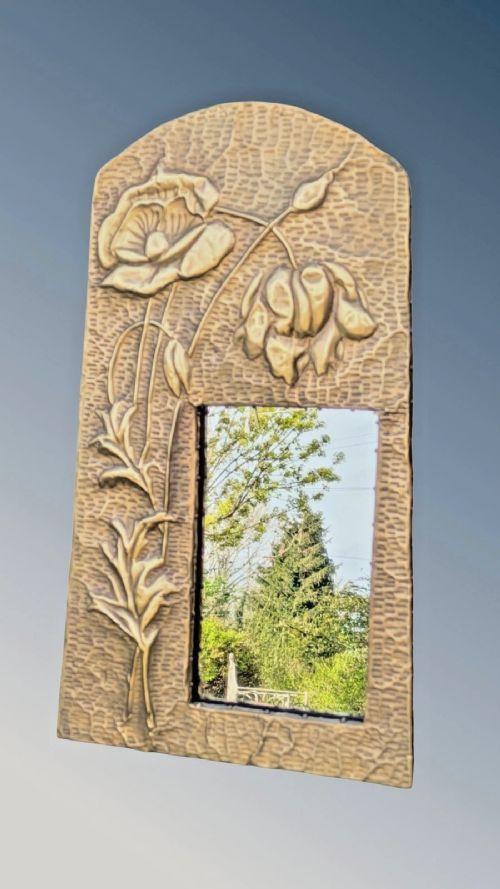
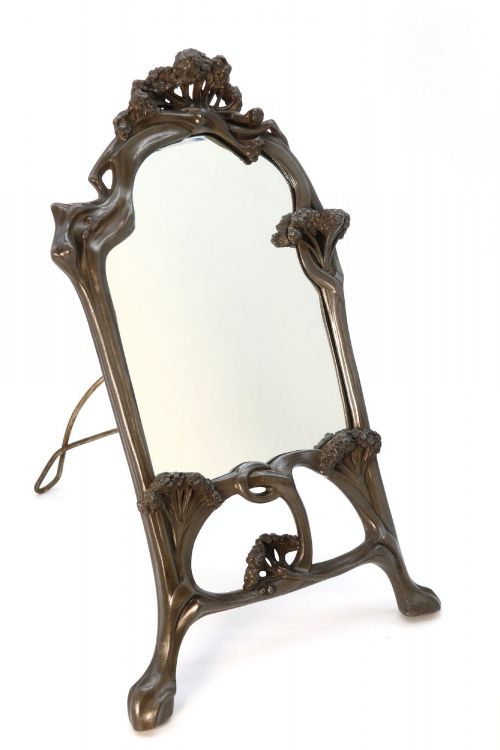
Metal components draw on brass, pewter, sterling silver, and silver plate, often shaped through repoussé work, piercing, and casting. Glass and mirrors integrate into frames and vanity accessories supported by hinged metal struts.
Evaluating craftsmanship and condition
Quality rests in the crispness of carved wooden details, the weight and thickness of cast metals, and the integrity of joints or hinges. Superior examples display careful finishing to decorative motifs and secure structural mechanisms.
Makers handle materials with varying degrees of refinement, where hand-chased metalwork or intricate veneer inlay separates standard production items from finer studio commissions.
WMF·Louis Auguste Moreau·Smiths Clockmakers·Deakin & Francis
The Antique Art Easel Glossary
- Strut back
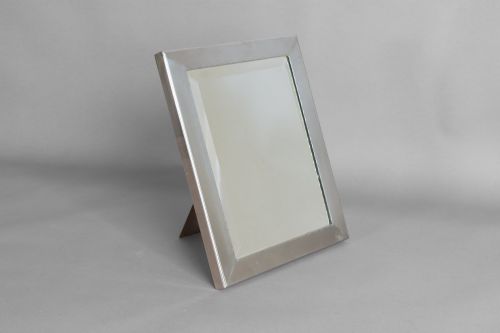
- A hinged support attached to the rear of a frame or mirror allowing it to stand upright on a table. This mechanism permits display without wall mounting.
- Repoussé
- A metalworking technique where the metal is hammered from the reverse side to form a raised design in relief. This method appears frequently on Edwardian and Art Nouveau silver and brass frames.
- Chevalet
- A table-top easel designed for miniature painting or displaying small works of art. These compact items often feature adjustable angles.
- Ebonised
- Wood treated to mimic ebony through a staining and finishing process. It provides a dense black surface seen on Victorian and Aesthetic Movement pieces.
- Champlevé
- An enamelling technique where troughs are carved into a metal surface and filled with vitreous enamel powder before firing. This process decorates small clocks and frames.
Antique Art Easel: Frequently Asked Questions
How do I use an antique easel at home?
Tabletop versions support framed photographs, small mirrors, and artwork on desks or mantlepieces. Floor-standing models hold larger paintings or display boards in living spaces.
Ensure the adjusting mechanisms and supporting legs are secure before placing heavier items on the ledge.
What materials are common in these pieces?
Woods like oak, mahogany, and walnut appear frequently in floor-standing and table models. Metals including brass, sterling silver, and pewter are standard for smaller tabletop frames and mirrors.
Combinations of glass, mirror plates, and enamel also feature across Victorian and Edwardian examples.
How do I date an easel?
Stylistic indicators such as Art Nouveau floral motifs or Art Deco geometric lines point to specific decades. Hallmarks on silver components provide exact assay years and maker marks.
Construction methods and wood types further clarify whether a piece originates from the nineteenth or twentieth century.
Are these items stable enough for daily use?
Most wooden and metal models retain their structural integrity and function as intended for display. Adjusting pins and folding struts require gentle handling to preserve original joints.
Checking the weight distribution of your displayed item prevents tipping on smaller table-top stands.