

Antique Art Drawings
These antique art drawings capture intimate studies and finished compositions on paper, offering collectors a direct link to the hand of the past.
Antique Art Drawings
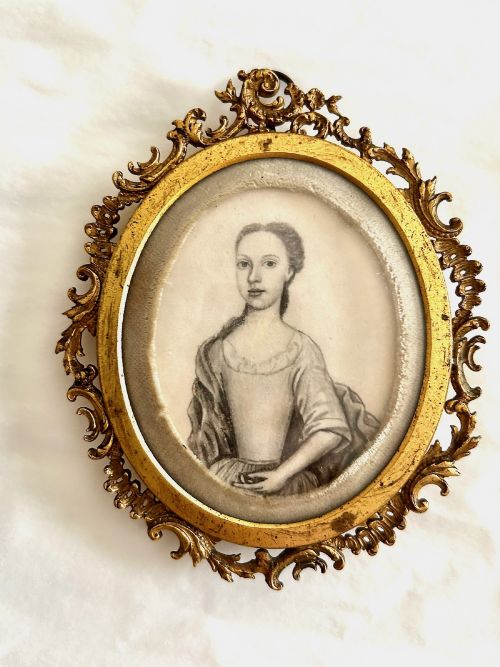
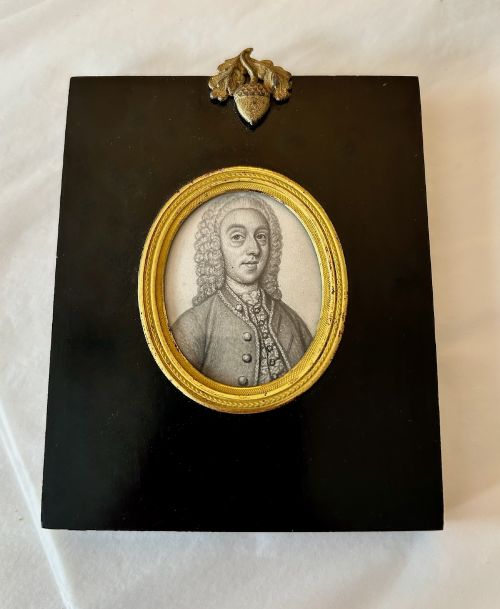
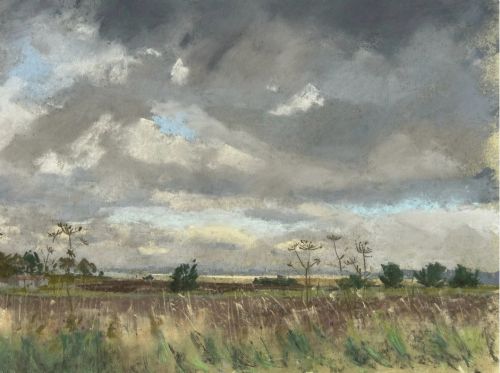
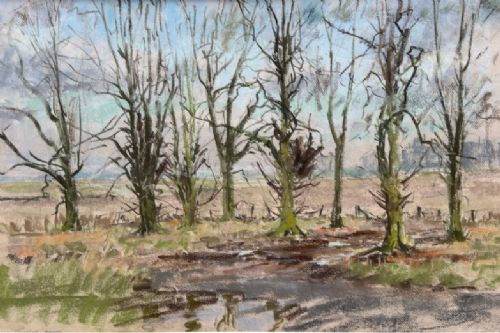
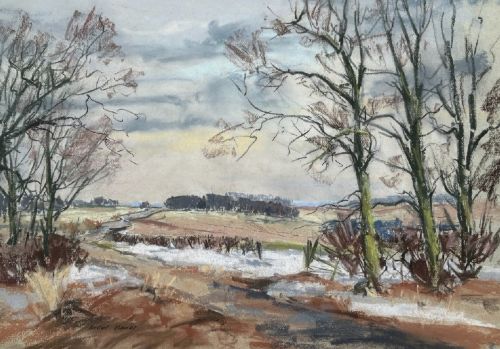
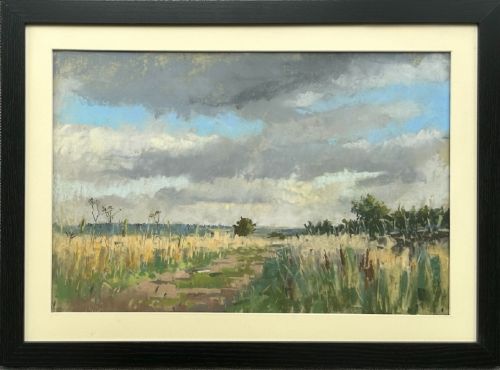
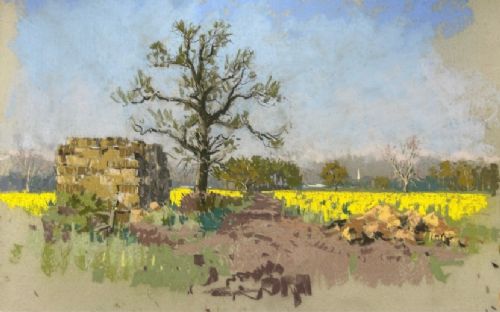
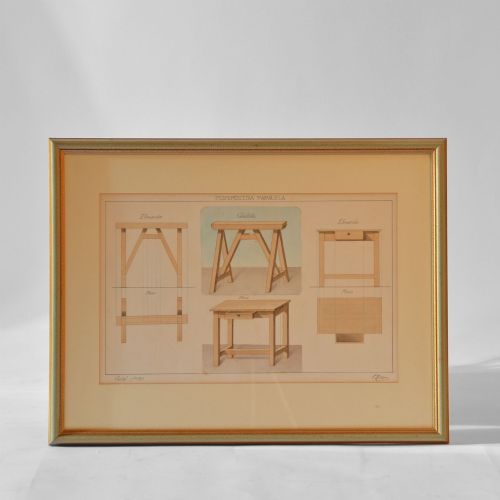
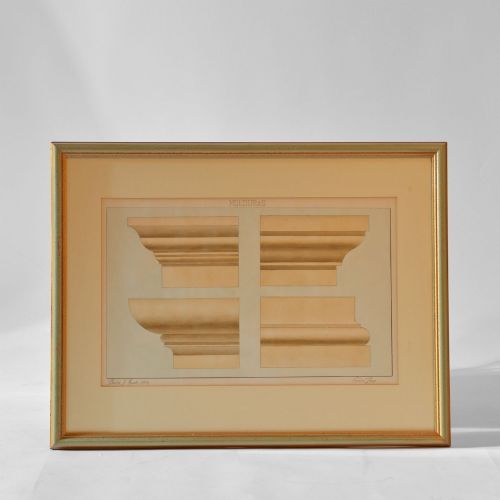
When you search for antique art drawings, you encounter works on paper spanning centuries, executed in media from graphite and ink to pastel and gouache. The selections available reflect diverse traditions, including academic studies, landscape sketches and character portraits.
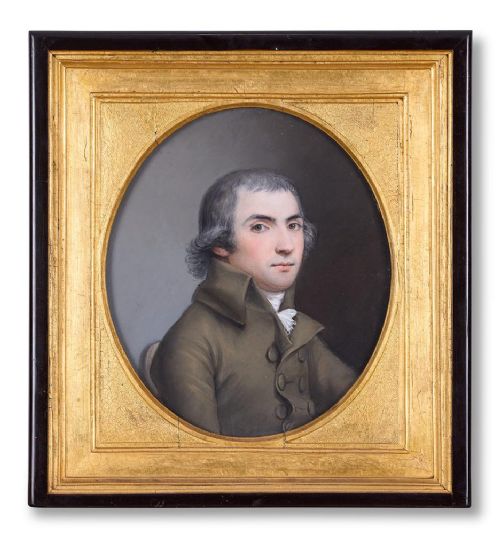
You meet pieces originating from various European schools, with eighteenth-century pastel portraits and early twentieth-century pencil sketches appearing frequently. These works take the form of framed artwork and wall art, preserving transient gestures and detailed studies alike.
Materials and Technique
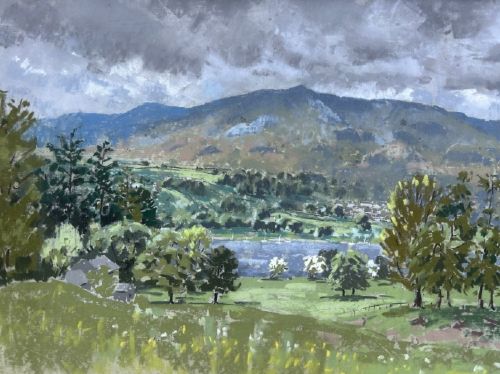
Artists relied upon paper supports, ranging from buff sheets to heavier laid papers, applying dry media like pastel and charcoal or fluid materials such as ink and gouache. Pastel pigment was often blended by hand or stump to achieve soft tonal transitions in portraiture.
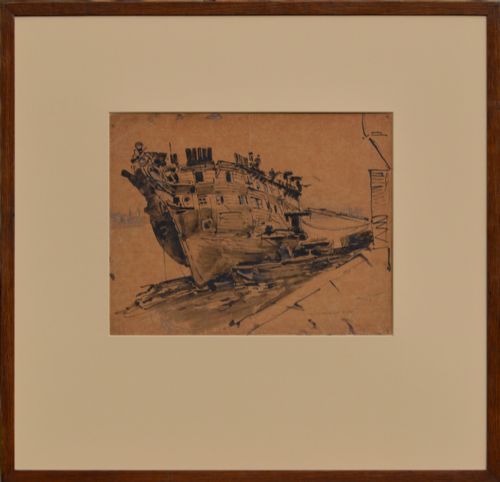
Pen and wash techniques combined sharp ink lines with diluted watercolour washes to establish shadow and depth in landscapes and historical scenes. Pencil and graphite served for precise preliminary blocking or finished observational renderings.
Antique Art Drawings Retail Price Guide 2026
Typical asking prices for art drawings among the pieces listed under this phrase on Sellingantiques today, from the lower quarter to the upper quarter. They describe what is for sale here now, not the wider market.
A remarkably focused gathering of historic canine studies preserves the earnest expressions of three black Pekingese dogs alongside an Art Deco Borzoi.
Standards of Execution
The distinction between ordinary and exceptional works rests upon the surety of the line and the psychological depth captured in portraits. Masterful handling of anatomy and spatial perspective separates casual sketches from accomplished academic pieces.
Conservation of the delicate surface media also influences the standing of a piece, as pastel and charcoal remain vulnerable to smudging and light exposure over generations. Preserved vibrancy in pigments and minimal disruption to the original paper substrate elevate a work.
Marjorie L Davies·Thomas Rowden·Fred Lawson·Bruce Bairnsfather·George Lorain Stampa·Maurice Quentin de la Tour·Henry Percy Huggill·Emily Eyres·Alfred Young Nutt·James Smetham·Benedetto Luti·William Etty·John Russell·William Marshall Craig·Augustus John·Hyacinthe Colin de Vermont·Johannes Lingelbach·Peter Lely·Herbert Johnson Harvey
The Antique Art Drawings Glossary
- Pastel
- A dry medium composed of powdered pigment and a binder, shaped into sticks for drawing on paper. It allows for rich colour blending but requires protective framing.
- Gouache
- An opaque water-based paint that includes a white pigment to create solidity and coverage. It provides flat, vibrant areas of colour in works on paper.
- Academic Realism
- A style of painting and drawing produced under the influence of European academies of art. It emphasises precise anatomical accuracy and classical proportions.
- Wash
- A thin, transparent layer of diluted ink or watercolour applied across paper. This technique establishes atmospheric depth and shadow beneath or over linear work.
- Buff paper
- A pale yellowish-brown paper stock frequently utilised by artists to provide a mid-tone background. It allows white highlights and dark shadows to achieve strong contrast.
Antique Art Drawings: Frequently Asked Questions
What is the difference between a sketch and a study?
A sketch is typically a rapid, preliminary jotting of an idea or composition, recorded to capture a fleeting movement or initial thought. It serves as groundwork for a larger finished painting.
A study focuses closely on a specific element, such as a hand, a draped fabric or an anatomical pose, executed with greater deliberation and care for detail.
How do I identify eighteenth-century pastels?
Eighteenth-century pastels often feature laid paper watermarks, specific framing methods from the period and distinct portrait conventions of the era. The handling of the pigment demonstrates the particular techniques favoured by contemporary European schools.
Examining the reverse of the backing board frequently reveals historic labels, inscriptions or stamps that corroborate the age and provenance.
Can I hang drawings in a hallway?
Hanging works on paper in hallways or rooms with fluctuating humidity requires careful placement away from direct heat sources and moisture. Stable environmental conditions prevent the paper support from warping or developing foxing.
Utilising UV-filtering glass provides an essential barrier against fading for sensitive media like ink, charcoal and pastel.