





Antique Art Deco Container
An antique art deco container brings geometric elegance and period craft to the dressing table or living space through small boxes, jars, and decorative vessels.
Antique Art Deco Container
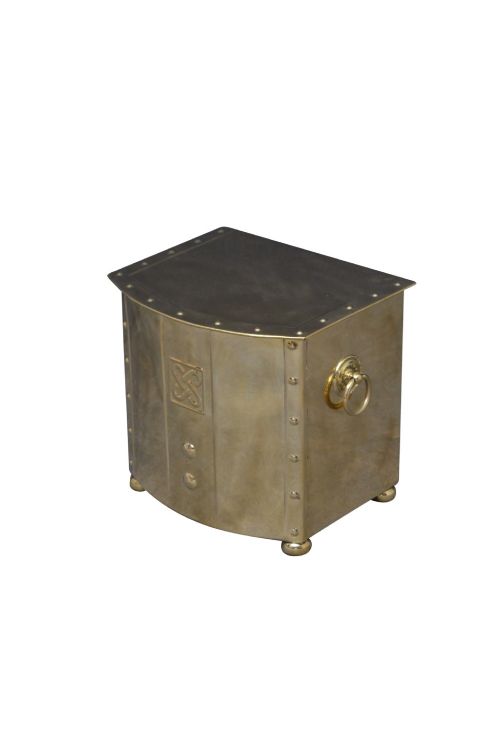
The selection also extends to functional domestic items such as tea caddies, cigarette boxes, card boxes, and barware. Larger functional forms appear occasionally, including umbrella stands, coal bins, and log buckets from the nineteen-thirties. Origins vary across England, France, Germany, and Scandinavia, reflecting international design trends of the interwar years.
Materials and construction
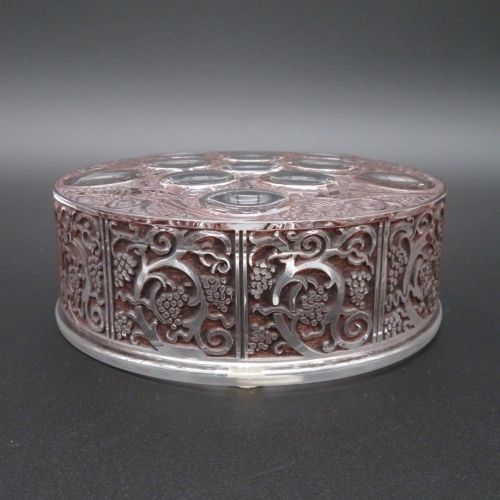
Materials combine noble metals with moulded crystal, cut glass, and ceramics. Sterling silver and silver plate frequently form the lids, mounts, and frames, often enhanced by guilloche enamel in vibrant tones of blue or coloured glazes.
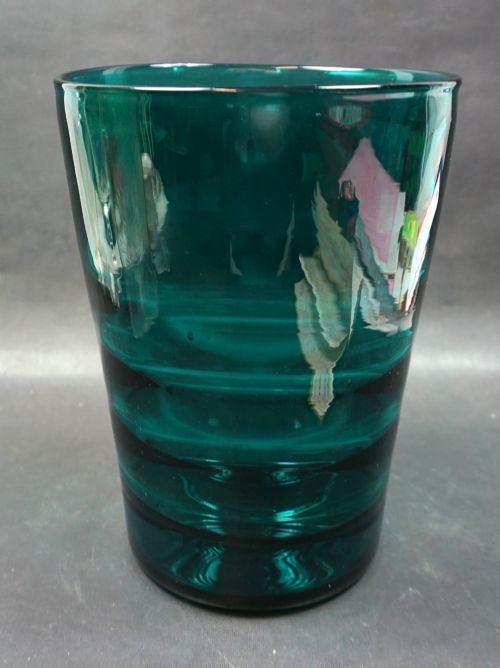
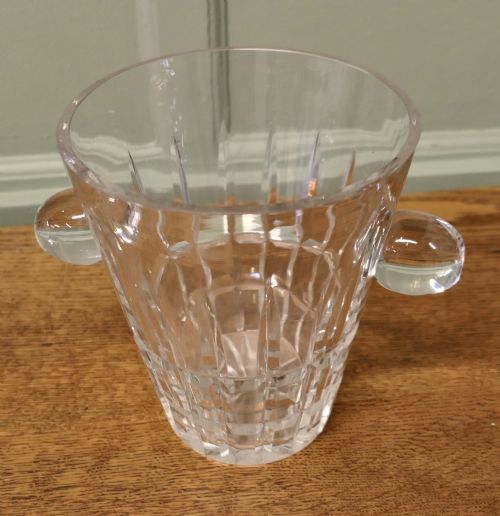
Glass production relies on heavy crystal and pressed glass, sometimes faceted or overlaid with metalwork. Ceramic and porcelain vessels from makers in Germany and France utilise intricate moulding, decorative figural lids, and hand-painted details.
Antique Art Deco Container Retail Price Guide 2026
Typical asking prices for art deco container among the pieces listed under this phrase on Sellingantiques today, from the lower quarter to the upper quarter. They describe what is for sale here now, not the wider market.
One exceptional tea caddy takes the delightful form of a novelty painted tin, proving that interwar makers loved a clever disguise.
Distinctions in quality
Quality rests upon the precision of the metalwork, the clarity of the crystal or glaze, and the reputation of the maker or silversmith. Pieces bearing hallmarks from established firms or renowned designers display superior weight, balanced proportions, and refined surface decoration.
The integrity of secondary materials, such as original suede linings, matching spoons, or flawless enamel work, elevates a piece significantly. Finer examples maintain crisp geometric moulding and tight fitting lids without loss to the silver mounts or ceramic bodies.
Sigvard Bernadotte for Georg Jensen·Asprey and Co·Elkington and Company
The Antique Art Deco Container Glossary
- Guilloche enamel
- A decorative technique where precise geometric patterns are mechanically engraved into metal beneath a translucent layer of coloured enamel. This finish is frequently found on the lids of vanity jars and compacts.
- Bonbonniere
- A small decorative container traditionally utilised for holding sweets, bonbons, or sugar confections. These ceramic or porcelain vessels often feature modelled figural or geometric lids.
- Vanity jar
- A small lidded container designed for the dressing table to hold cosmetics, pins, or powder. They typically combine cut glass or crystal bases with silver or enamel mounts.
- Rouge pot
- A compact lidded container specifically created to hold cheek cosmetic or rouge. Examples often pair precious metals with coloured glass or enamel inserts.
Antique Art Deco Container: Frequently Asked Questions
What were antique art deco containers used for?
These vessels served practical functions in domestic and personal routines, holding face powder, trinkets, tea, cigarettes, or grooming items on dressing tables and desks.
Many pieces were also designed for social dining and hospitality, containing mustard, biscuits, or ice during formal gatherings.
How do I identify an art deco piece?
Look for symmetrical geometric patterns, stylised floral motifs, clean linear forms, and characteristic materials such as guilloche enamel and moulded crystal.
Pieces from this era often embrace machine age sleekness, contrasting sharply with the flowing organic curves of earlier Edwardian or Art Nouveau styles.
Where were these containers manufactured?
Production was centred across Europe, with silversmiths operating extensively in Birmingham and London workshops.
Ceramic and glass pieces frequently originated from specialised factories and kilns in France, Germany, and Scandinavia.
How should I care for silver and enamel items?
Keep silver components polished gently with a non-abrasive cloth to preserve hallmarks and delicate surface details without thinning the metal.
Protect enamel sections from direct sunlight and moisture to prevent discolouration or stress to the vitreous glass layer.