




Antique Army Officer Art
Antique army officer art captures the likenesses of military commanders and soldiers through oil paintings, watercolours, and portrait miniatures.
Antique Army Officer Art
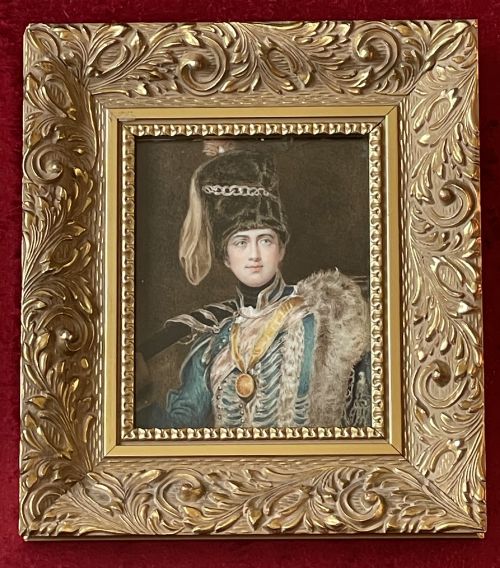
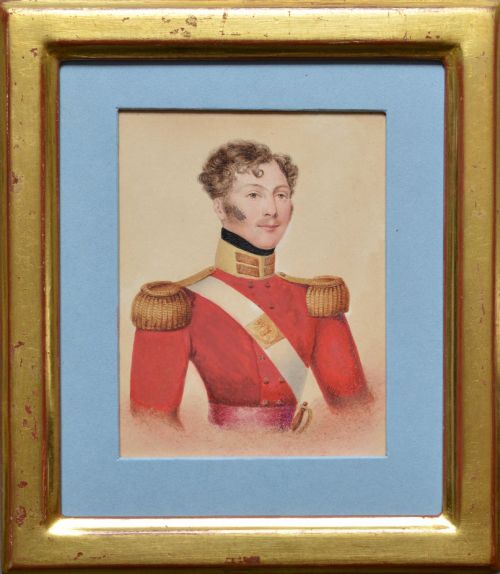
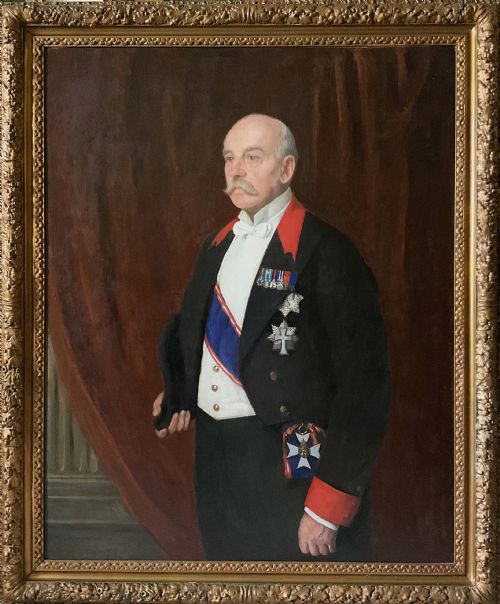
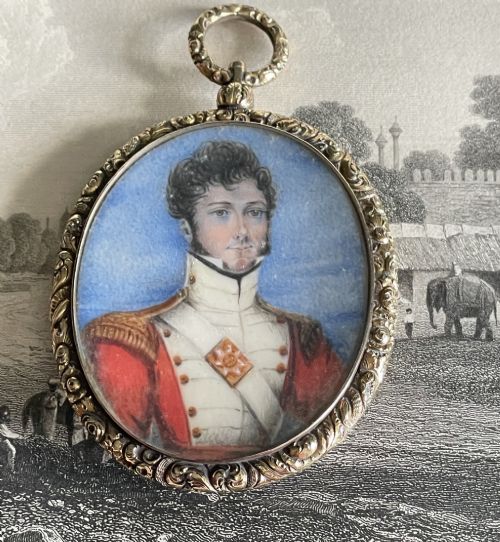
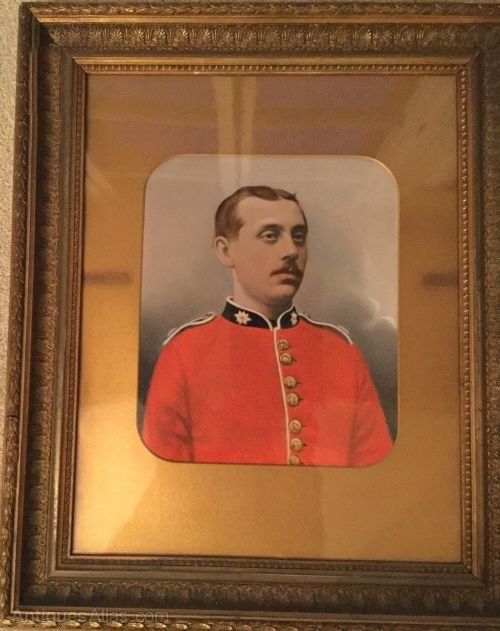
When buyers search for antique army officer art, they encounter painted and drawn portraits recording historical military personnel. These works range from intimate watercolour studies of individual captains to large oil paintings depicting generals and cavalrymen.
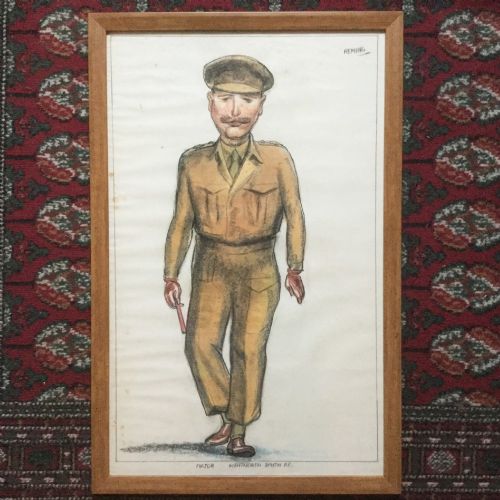
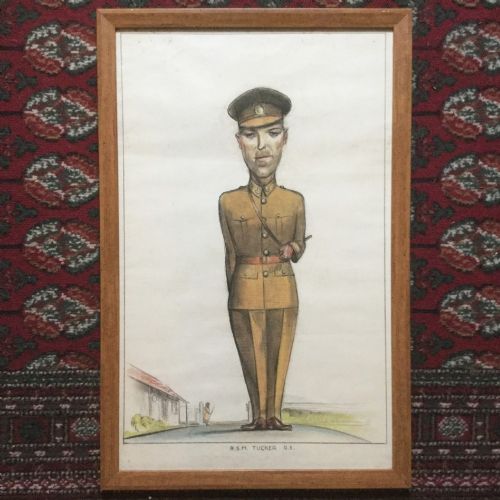
The pieces appearing on this page span the eighteenth, nineteenth, and early twentieth centuries. Portraits capture specific regiments, such as the Staffordshire 80th Regiment of Foot or the Royal Engineers, often naming the sitter and their rank.
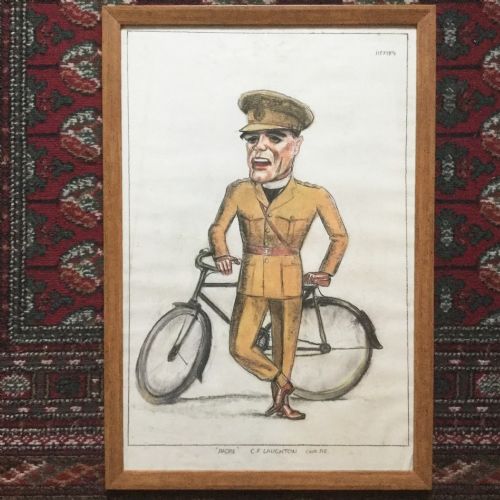
Buyers find both finished gallery works and wartime sketches produced in pastel and gouache. These representations document uniforms, campaign service, and changing portrait styles across British and international military history.
Materials and construction methods
Artists painted on stretched canvas or worked on paper supports using watercolour, oil paint, pastel, and gouache. Canvas works provided a durable surface for grand oils, while paper accommodated rapid wartime sketching.
Framed presentation often included protective glass and wooden surrounds, preserving delicate media like pastel and pencil. Portrait miniatures utilised specialised surfaces housed in compact frames designed for personal keeping.
Antique Army Officer Art Retail Price Guide 2026
Typical asking prices for army officer art among the pieces listed under this phrase on Sellingantiques today, from the lower quarter to the upper quarter. They describe what is for sale here now, not the wider market.
Listings feature works spanning the eighteenth century through the 1940s, utilising oil paint, watercolour, pastel, and gouache.
Distinctions in execution and detail
Quality rests in the precision of the uniform details, facial expression, and the artist's ability to render the sitter's rank and character. Finer pieces demonstrate confident brushwork and accurate anatomical proportion.
The distinction between standard works and exceptional examples lies in documented provenance and identifiable sitters. Portraits attributed to named artists command greater attention than anonymous depictions.
Albert Ferdinand Le Dru·Henry Walton·Henry Hoppner Meyer·Ruth Cecil Latter·William Edward Millner·Leslie Moore·George Duncan Beechey·Sir Richard Westmacott
The Antique Army Officer Art Glossary
- Portrait miniature
- A small, highly detailed painting, often executed on ivory, vellum, or paper, designed to be held or worn. These intimate works frequently depict specific military officers.
- Gouache
- An opaque water-based medium that provides solid colour and matte surfaces. Artists utilised gouache alongside pastel for detailed wartime officer sketches.
- Oil on canvas
- Pigments bound in a drying oil applied to a woven fabric support stretched over a wooden frame. This method was standard for large military portraits.
- Regiment
- A permanent unit of an army commanded by a colonel. Military art often identifies sitters by their specific regimental affiliation.
Antique Army Officer Art: Frequently Asked Questions
How do I identify the rank of the officer?
Uniform details, collar insignia, and shoulder epaulets typically indicate the military rank of the sitter.
Inscriptions on the mount or stretcher frame often record the officer's name, regiment, and specific military title.
How were military portraits displayed originally?
Large oil paintings of generals and colonels hung in regimental messes, country houses, and official headquarters.
Smaller watercolours and portrait miniatures remained in private domestic settings or travelled with officers on campaign.
What distinguishes wartime sketches from formal oils?
Formal oil portraits on canvas were commissioned works requiring sustained sittings in professional studios.
Wartime pastel and gouache sketches provided rapid records of officers on active service or during specific campaigns.