

Antique Architectural Landscape
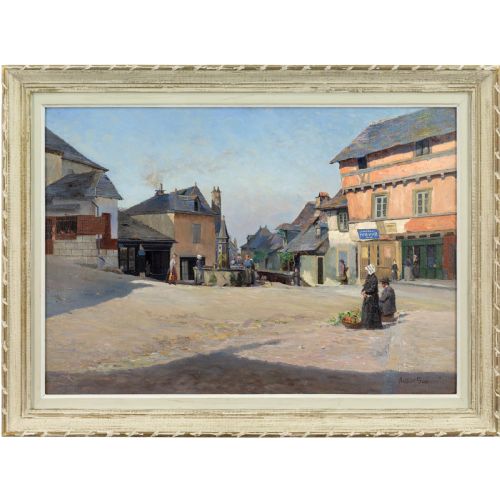
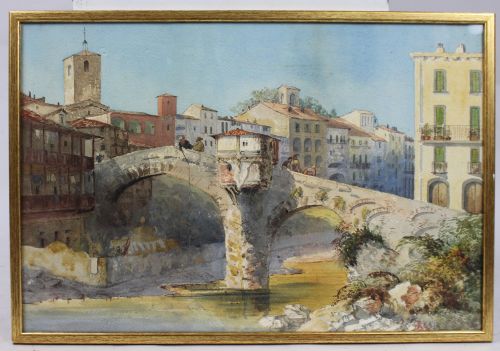
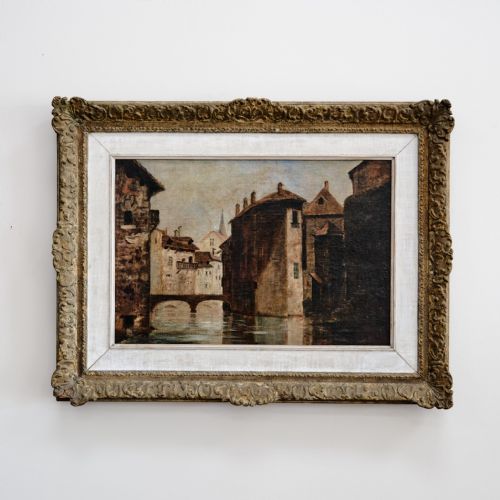
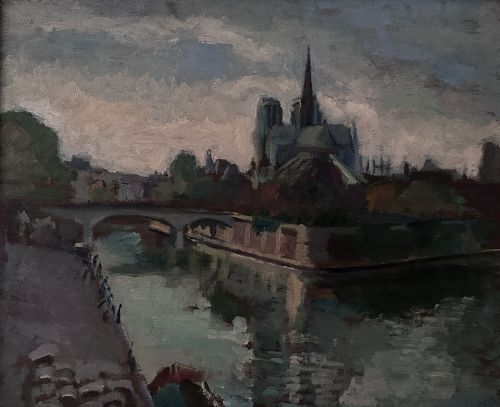
These antique architectural landscape works capture historic squares, grand canals, and ancient stonework through the eyes of earlier artists.
Antique Architectural Landscape
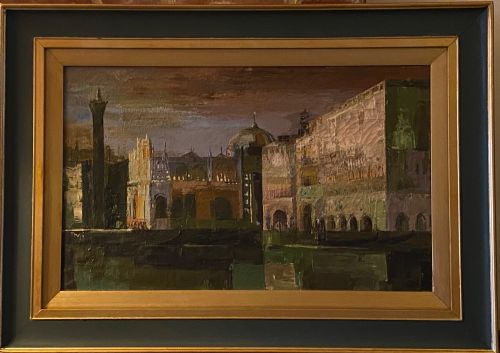
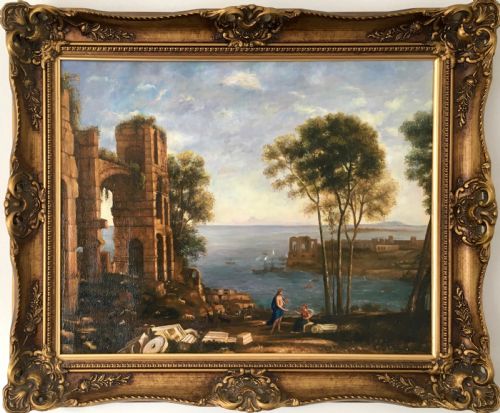
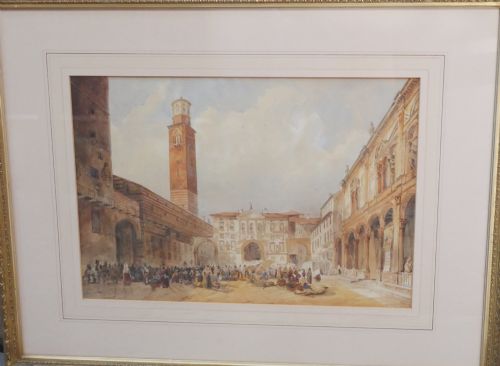
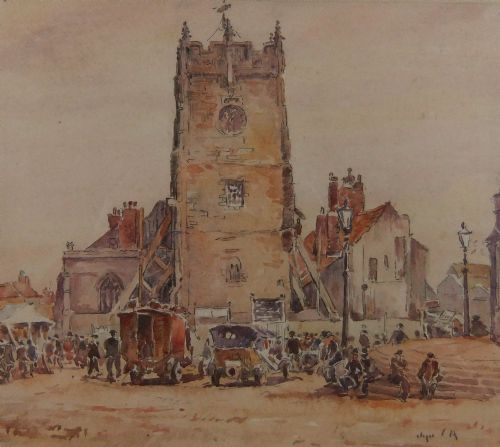
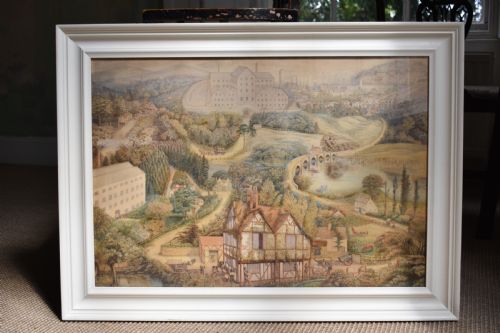
An antique architectural landscape combines structural precision with natural scenery, bringing historical cities, cathedrals, and monuments into view. Buyers searching this phrase encounter framed watercolours, oil paintings on canvas or board, pencil drawings, and occasional pietra dura panels.
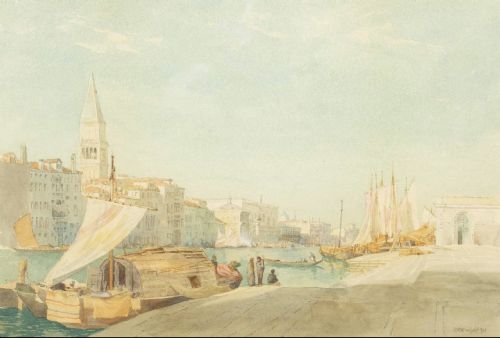
The material spans the nineteenth and early twentieth centuries, drawing on Victorian, Edwardian, and post-impressionist movements. Common subjects range from British street scenes and Yorkshire architecture to grand tours of Venice, Rome, and Prague.
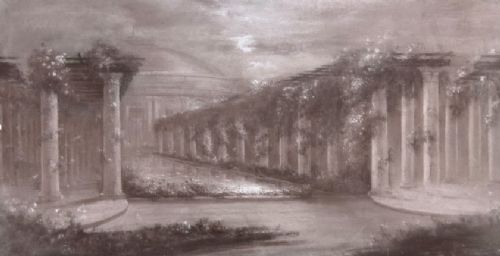
Framed artwork dominates the selection, preserving urban vistas, market squares, and ancient temples. These pieces reflect specific periods of travel and topographical observation, capturing sites like Durham Cathedral, the Flatiron Building, and classical gardens.
How They Were Made
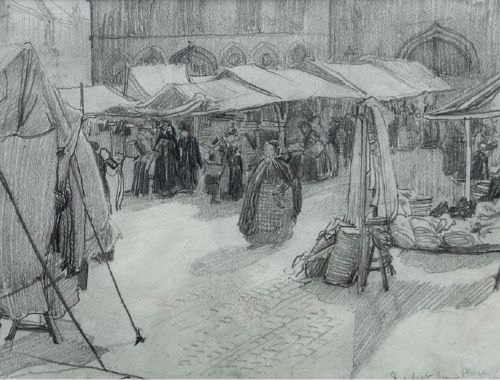
Artists applied oil paint and watercolour onto canvas, paper, wood panels, and board, often finishing works with protective gold leaf or custom frames. Pencil and charcoal drawings relied on fine line work to map out complex urban perspectives and historic stonework.
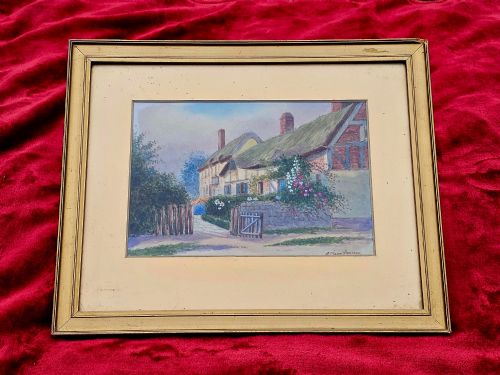
Pietra dura panels utilised precision-cut inlaid stones to compose architectural imagery without the use of paint. Pigments applied to canvas or watercolour paper captured the play of light across European squares and waterways during the nineteenth and early twentieth centuries.
At least one artist caught the Flatiron Building mid-sketch before anyone thought to complain about the scaffolding.
What Varies in Quality
The strength of perspective and draughtsmanship dictates the authority of an architectural landscape. Works demonstrating precise handling of stone, proportion, and light stand apart from casual topographical sketches.
The integration of the architectural element with its surrounding landscape reveals the artist's skill. Superior compositions balance the rigid geometry of buildings with the atmospheric qualities of sky, water, and foliage.
Henry Percy Huggill·Thomas Ellison·A Marie Parsons·Arthur Gue·John Smith Atherton·Richard Henry Wright·David Roberts·Francisco Sancha·Anton Ignaz Melling·Alfred Wolmark·Robert Leslie Howey·Alexander Jamieson·Paul Elie Gernez·Alfred George Morgan·Fred Lawson·Sir Thomas Newenham Dean·Charles James Lauder
The Antique Architectural Landscape Glossary
- Pietra dura
- An artistic technique using cut and fitted polished coloured stones to create geometric and architectural images. This laborious inlay method produced durable stone panels prized during the nineteenth century.
- Watercolour
- A painting method where fine pigment is suspended in a water-based solution, typically applied to paper. It allows for transparent washes of colour suited to capturing light on historic facades.
- Oil on canvas
- Pigment bound in a drying oil applied to a stretched fabric support. This medium permits rich colour blending and textured brushwork visible in urban street scenes.
- Neoclassical
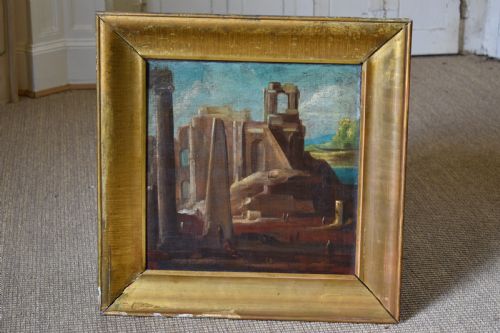
- A style drawing inspiration from the classical art and culture of ancient Greece and Rome. Architectural views from this tradition emphasise symmetry, columns, and classical ruins.
- Post-Impressionism
- An art movement extending impressionism while rejecting its limitations, focusing on expressive forms and symbolic use of colour. Works in this style interpret cityscapes through distinct brushwork.
Antique Architectural Landscape: Frequently Asked Questions
What subjects appear in these works?
These pieces depict historic cityscapes, cathedrals, ancient temples, and bustling European market squares. Artists focused on architectural landmarks ranging from British abbeys to canals in Venice.
Views often include bridges, castles, and formal gardens recorded during nineteenth and early twentieth-century travels.
How do I care for a watercolour painting?
Watercolour works require framing behind glass to protect the paper and pigments from atmospheric moisture and dust. Direct sunlight causes fading, so position pieces away from bright windows.
Maintaining stable indoor humidity prevents the paper from warping or developing foxing spots over time.
How are periods identified in these artworks?
Signatures, dates inscribed on the reverse, and stylistic movements help date a piece. Victorian and Edwardian works often reflect contemporary approaches to topographical recording.
Materials such as board, canvas type, and framing methods provide additional clues regarding the era of creation.
Where were architectural landscapes displayed?
Original owners typically hung these framed views in drawing rooms, studies, and hallways of period homes. Grand tour watercolours and oils served as mementos of foreign travel across Europe.
Urban scenes and architectural prints also decorated domestic interiors to showcase an interest in history and geography.