




Antique Architectural Corbel
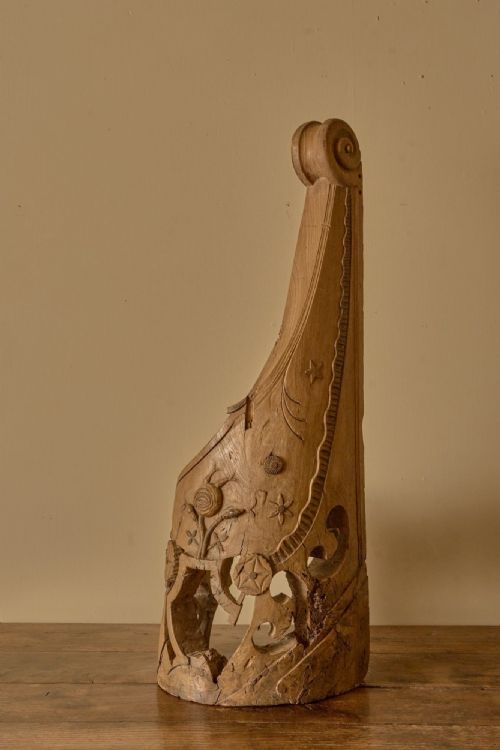
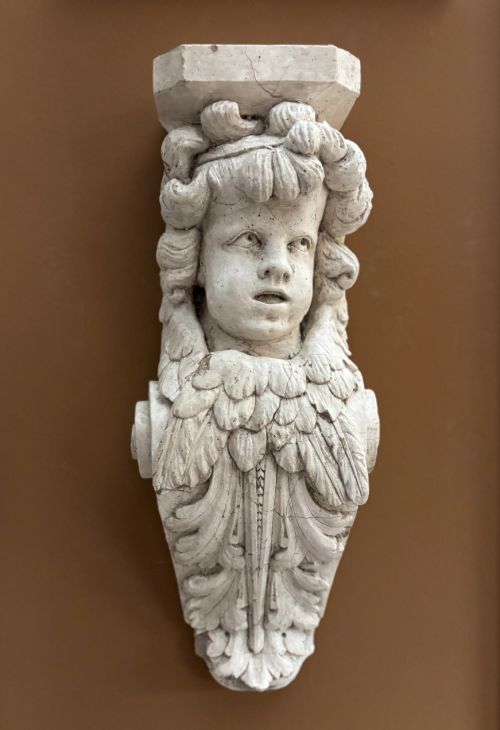
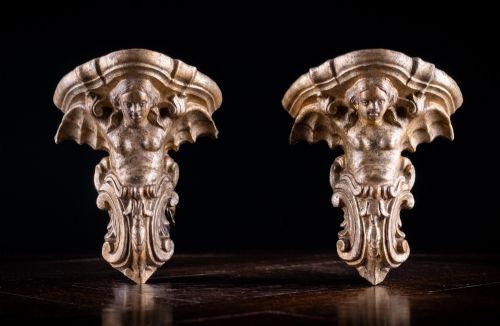
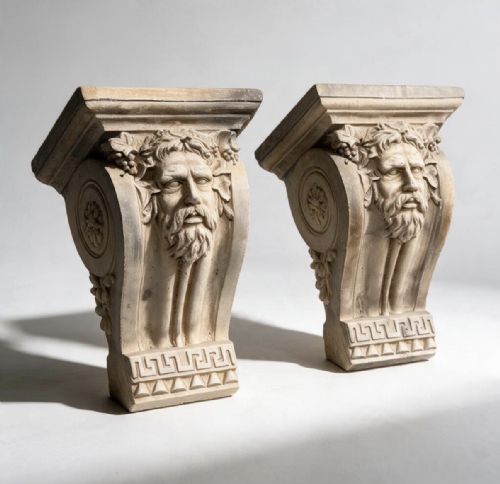
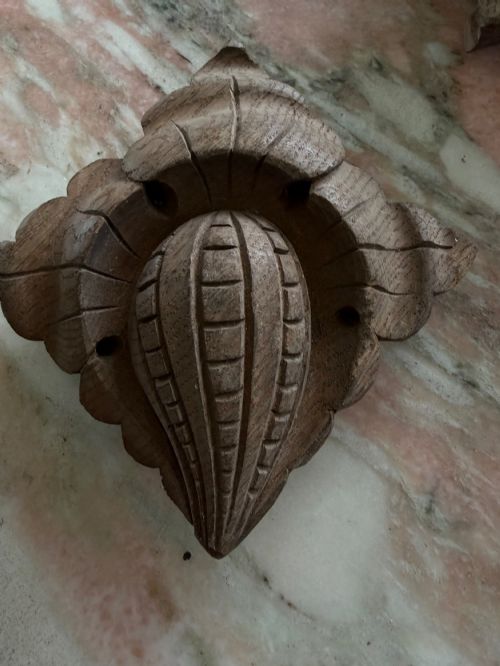
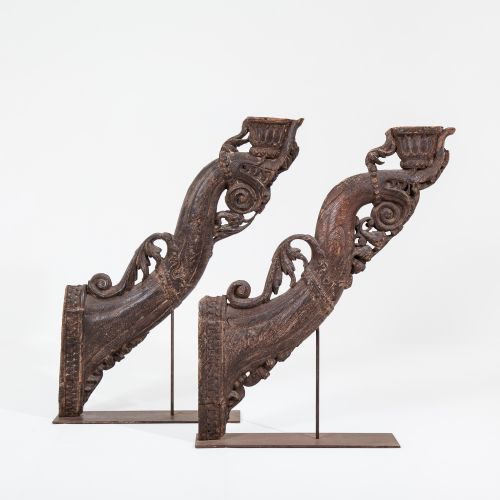
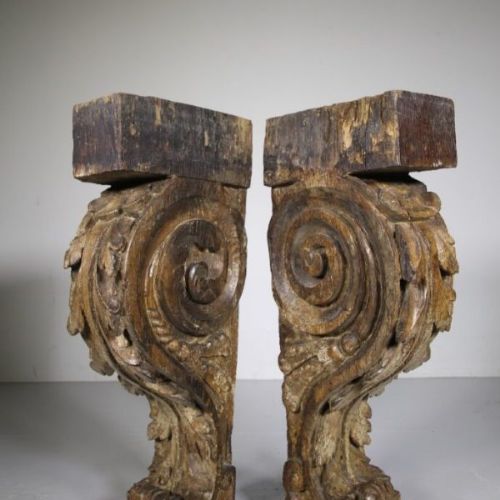
These antique architectural corbel pieces bring tangible history indoors, offering structural support and bold sculptural presence.
Antique Architectural Corbel
An antique architectural corbel provides functional load-bearing support or decorative wall projection, originating from buildings, churches, and grand interiors.
The pieces on this page span from pre-sixteenth century medieval fragments to nineteenth-century interpretations, taking forms such as wall brackets, architectural carvings, and shelf supports.
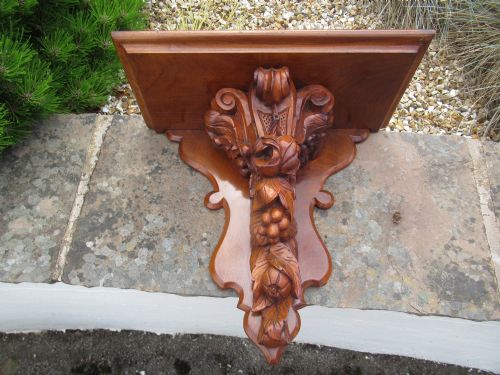
Buyers meet carved oak and walnut brackets most frequently, alongside limestone and cast iron elements salvaged from historic structures.
Materials and Techniques
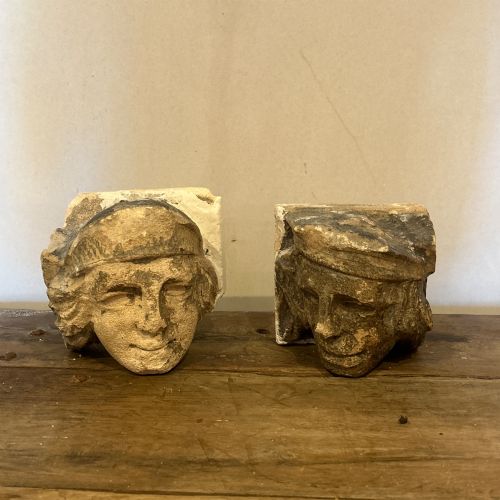
Stone and terracotta examples rely on skilled masonry and moulding, utilising limestone, sandstone, and cast iron or bronze for heavy structural duties.
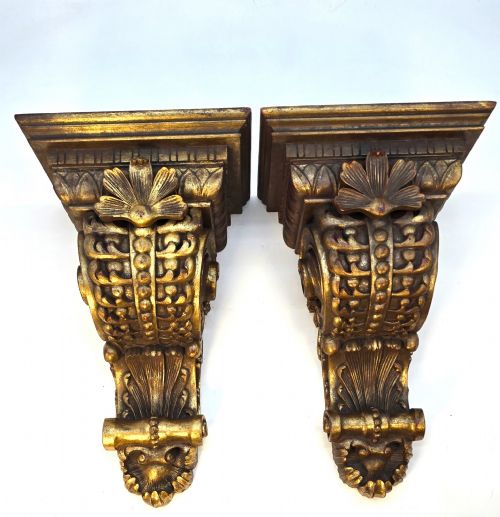
Many surfaces retain original paint, gesso, or gilt finishes that record centuries of exposure and decorative application.
Antique Architectural Corbel Retail Price Guide 2026
Typical asking prices for architectural corbel among the pieces listed under this phrase on Sellingantiques today, from the lower quarter to the upper quarter. They describe what is for sale here now, not the wider market.
Evaluating Quality
Depth of carving and anatomical precision separate standard shelf brackets from masterworks attributed to named carvers and specialist workshops.
The integrity of the material matters deeply, as crisp edges on fifteenth-century limestone or well-preserved grain on seventeenth-century oak indicate superior original execution.
Provenance and untouched historic surfaces elevate an architectural fragment from a simple decorative prop to an important historical artefact.
Luigi Frullini
The Antique Architectural Corbel Glossary
- Corbel
- A structural piece of stone, wood, or metal jutting from a wall to carry a superincumbent weight. These load-bearing supports often terminate in carved figurative or foliate designs.
- Capital
- The uppermost member of a column or pilaster, often carved in classical styles such as Corinthian. They frequently appear repurposed as wall brackets.
- Caryatid
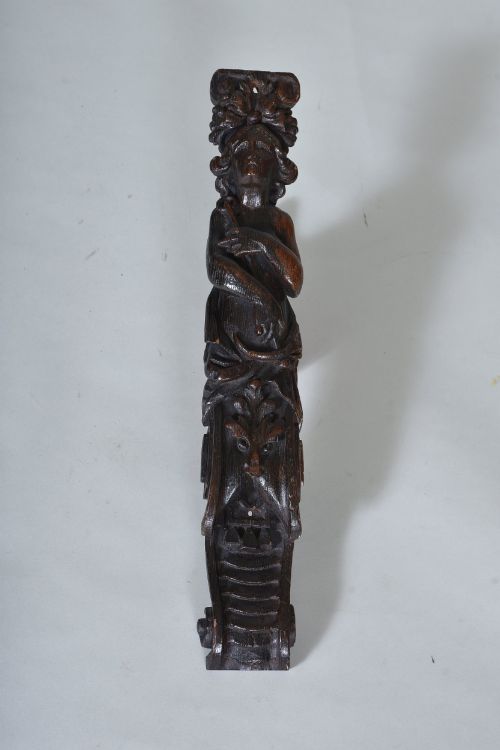
- A sculpted female figure serving as an architectural support taking the place of a column or a pillar. Male equivalents are known as atlantes.
- Gesso
- A plaster mix used as a base for paint or gilding on wood surfaces. It allows for fine detail work before finishing.
- Ceiling Boss
- A decorative knob or projection usually found at the intersection of ribs in a vaulted ceiling. They depict angels, foliage, and grotesques.
Antique Architectural Corbel: Frequently Asked Questions
How do I hang a heavy corbel?
Heavy stone and iron corbels require secure wall anchors fixed directly into masonry or structural studs. Professional installation ensures safety when mounting heavy loads.
Wooden wall brackets often feature integrated rear hanging slots or require custom metal brackets concealed behind the projection to support weight safely.
Where should I place these in a home?
Mounting corbels beneath existing mantelpieces, open bookshelves, or kitchen peninsulas adds immediate architectural depth. They work well as standalone wall sculptures when paired with display objects.
Positioning them at eye level highlights the hand-carved details of walnut lions, putti, and medieval figures.
How do I date an oak corbel?
Dating relies on tool marks, joint construction, and stylistic shifts from medieval Gothic folds to seventeenth-century Jacobean geometry and later revival periods. Oak darkens naturally over centuries, developing a dry, patinated surface.
Comparing the carving style to known architectural elements helps narrow down the century of production.
Can these be used outdoors?
Most antique wooden and gilt items suit indoor placement because moisture and frost degrade historic timber, paint, and gesso finishes rapidly. Stone and cast iron variants tolerate sheltered outdoor locations better if protected from standing water.