



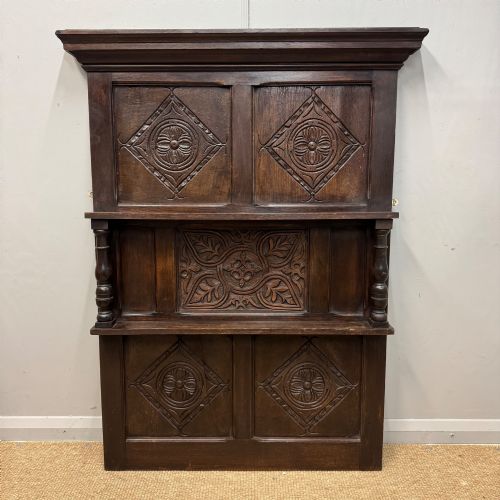
Antique Architectural Carving
When you search for antique architectural carving, you enter a world of rescued timber, stone and gesso built into old buildings long ago.
Antique Architectural Carving
When searching for antique architectural carving, you encounter fragments and fixtures removed from historic buildings, churches and grand interiors. These pieces span centuries, originating from the sixteenth century through to the Edwardian period and the early decades of the nineteen-hundreds.
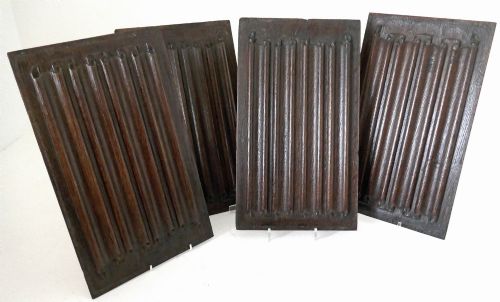
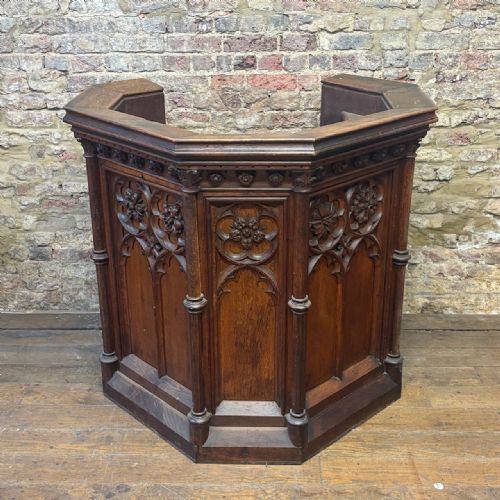
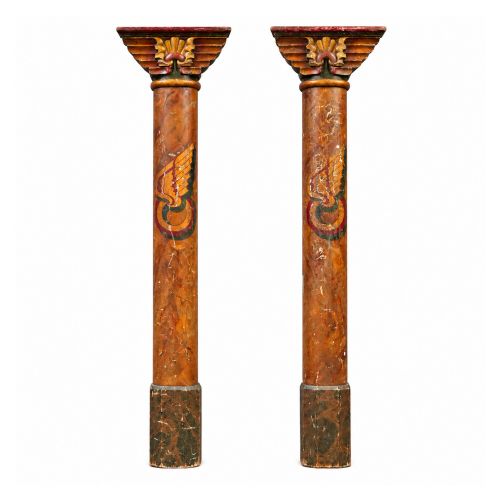
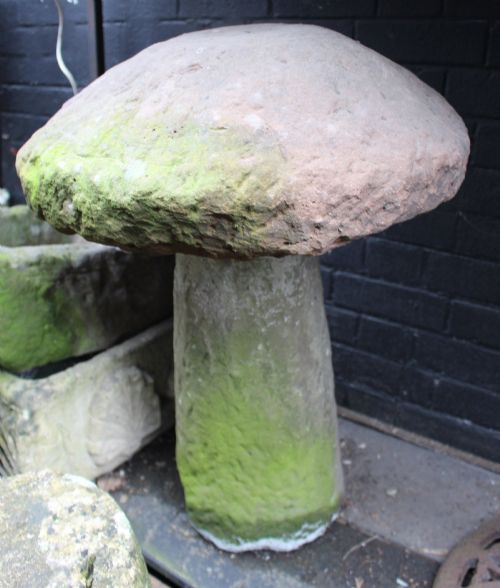
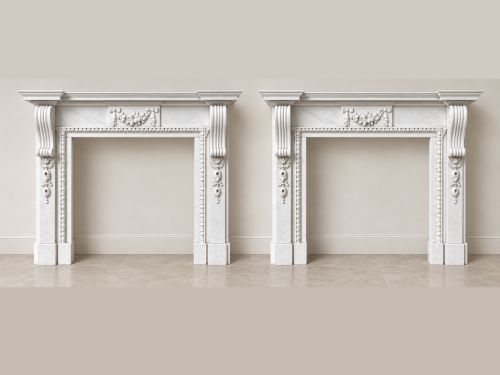
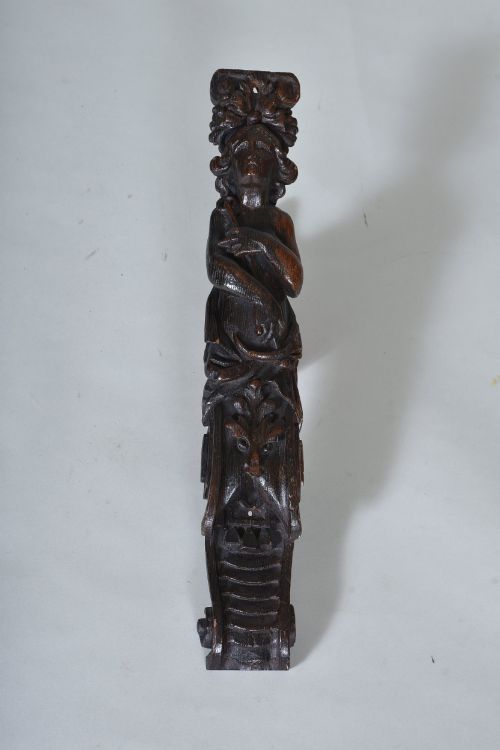
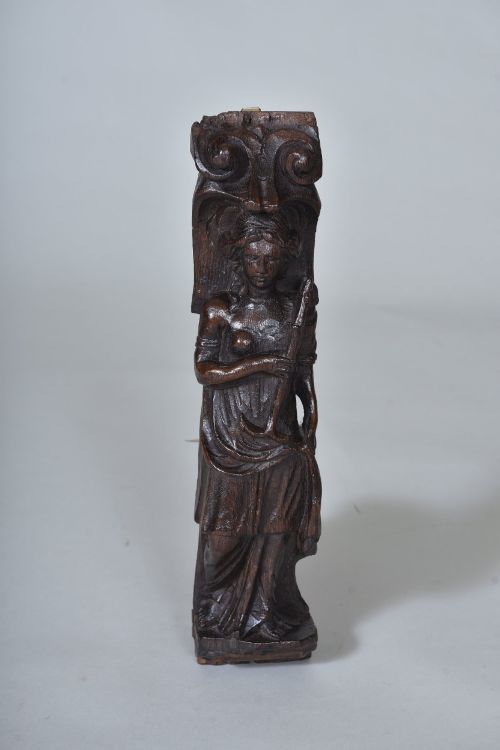
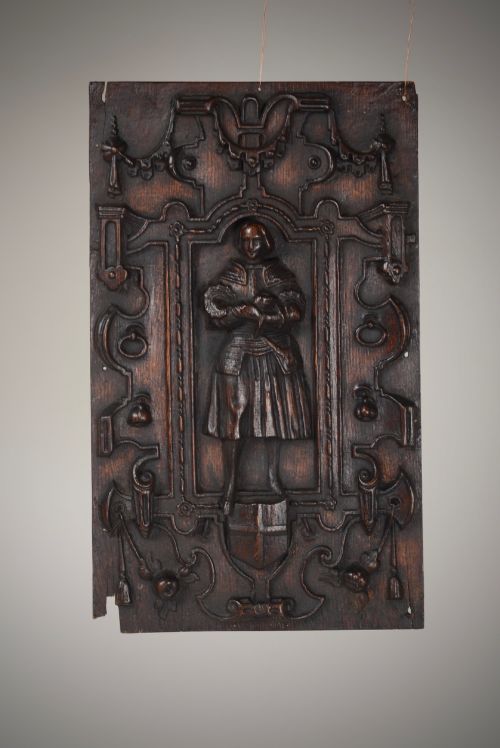
The selections on this page surface primarily as oak panels, columns, pilasters, corbels and fireplace surrounds. You will also find specialised forms such as linenfold panels, temple pediments and bed canopies carved from pine, hardwood and limestone.
Origins stretch across English, French, German, Chinese and Burmese workshops, reflecting diverse regional aesthetics from Gothic Revival to Baroque and Neoclassical styles. Each item functioned originally as a structural or decorative component within a larger architectural scheme.
How they were made
Carvers worked predominantly in solid timber, using oak, pine and mahogany for structural elements and relief panels. Hand chisels and gouges shaped the grain into high-relief figures, foliate scrolls and geometric linenfold patterns.
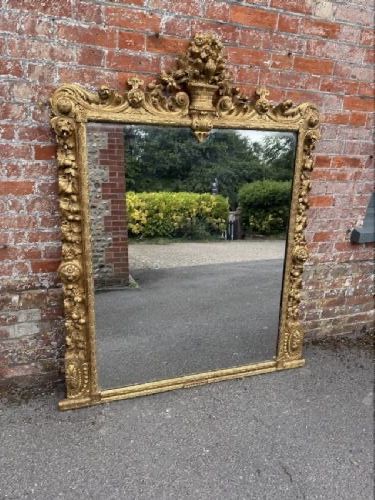
Surface treatments involved applying gesso, gold leaf, paint and polychrome pigments directly to wood, stone or terracotta bases. Gilding added reflective brilliance to mirrors, brackets and angel wings, while natural finishes preserved the dense grain of early oak.
Listings feature architectural elements rendered in oak, pine, limestone, terracotta and gold leaf across multiple centuries.
What varies in quality
The distinction between ordinary salvaged timber and superior carving lies in the crispness and depth of the chisel work. High-grade pieces exhibit confident undercutting, well-defined facial expressions and balanced proportions within high-relief motifs.
Material selection and original surface integrity dictate the standing of a piece. Original giltwood, untouched polychrome paint and dense, mature oak elevate an artefact far above later replacements or stripped surfaces.
The Antique Architectural Carving Glossary
- Linenfold
- A style of wood panel carving popular in the sixteenth century that imitates vertical folds of cloth. It frequently appears on early oak panels and church furnishings.
- Corbel
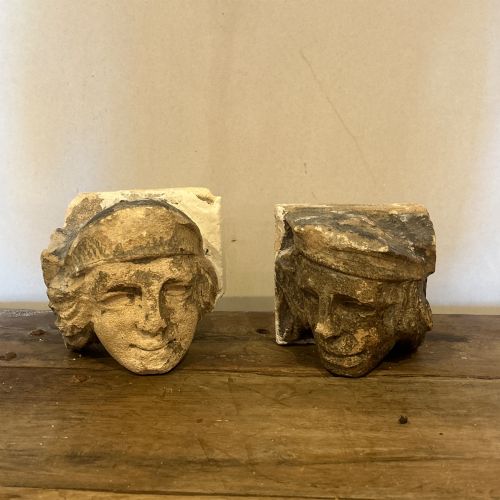
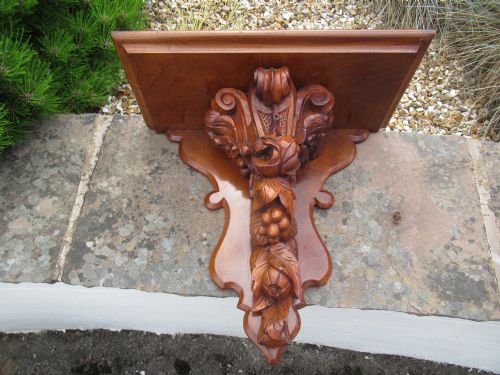
- A structural piece of stone, wood or metal projecting from a wall to support a weight. Medieval examples often take the form of carved stone busts or figures.
- Solomonic
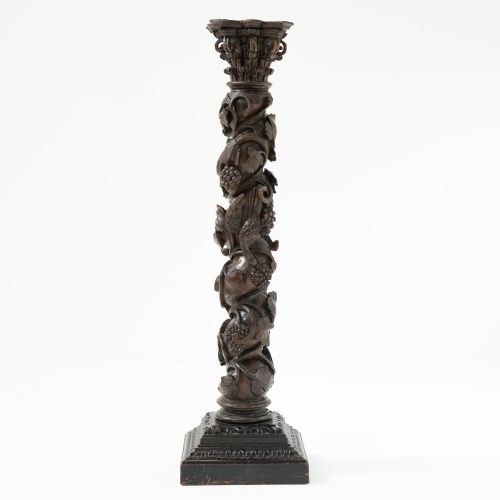
- A type of column characterised by a helical twisting shaft resembling a spiral. These columns appeared frequently in Baroque interior woodwork and altarpieces.
- Gesso
- A paint mixture consisting of a binder mixed with chalk, gypsum or pigment. It served as a smooth preparation layer for gilding on wood and carved architectural elements.
Antique Architectural Carving: Frequently Asked Questions
What buildings did these carvings come from?
These fragments originated in churches, stately homes, temples and historic townhouses across Europe and Asia. They were rescued during periods of rebuilding, demolition or interior modernization.
Many pieces once formed structural supports, overmantels, pulpits or wall panels before finding new life as independent decorative objects.
How do I hang heavy wooden panels?
Heavy carved panels require secure wall anchoring, typically using robust battens or concealed metal brackets screwed directly into masonry or wall studs. Because antique oak and hardwood carry substantial weight, standard picture wire is rarely sufficient.
Consult a professional restorer or installer to evaluate the weight distribution and mounting points of your specific carving before hanging.
How do I clean antique carved wood?
Dust carved surfaces gently using a soft, dry natural bristle brush to reach into the crevices of high-relief work without disturbing the wood grain or finish. Avoid using water, modern detergents or silicone-based polishes, which can damage aged wax or original paint layers.
If the piece requires deeper conservation, apply a minimal amount of microcrystalline wax with a soft cloth to protect dry timber.
Can I install an antique fireplace surround?
Antique pine, marble or stone fireplace surrounds can be installed around working hearths or utilised for decorative display depending on their material and condition. Professional stone masons or specialist fitters should handle fireplace installations to ensure compliance with modern safety regulations.
Careful measurement of the internal opening is essential before pairing an antique surround with a modern fire insert or stove.