
Antique Arch Frame Mirror
An antique arch frame mirror brings grand architectural presence and reflective light into a room, making it a timeless choice for period and contemporary interiors alike.
Antique Arch Frame Mirror
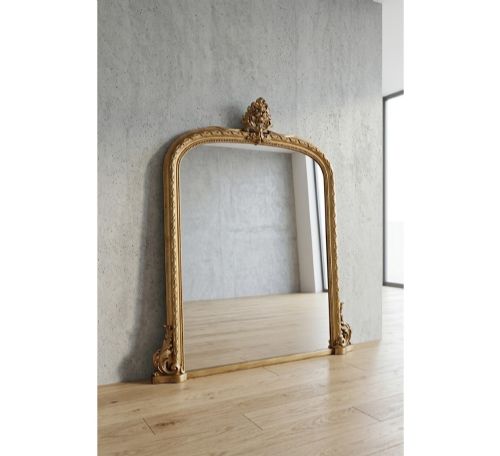
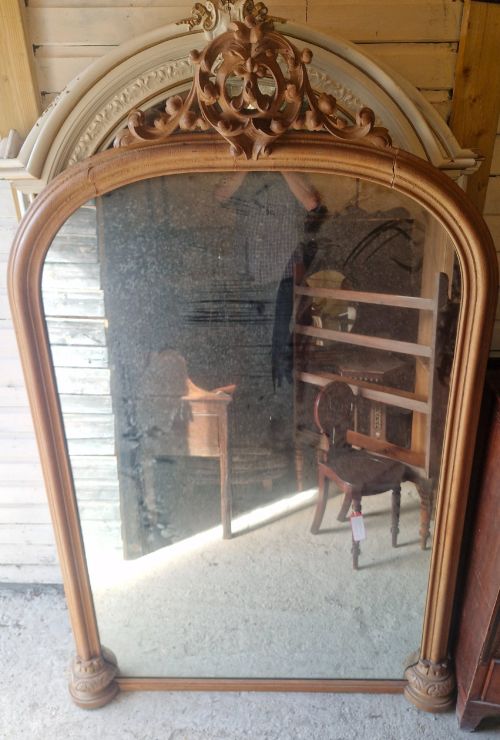
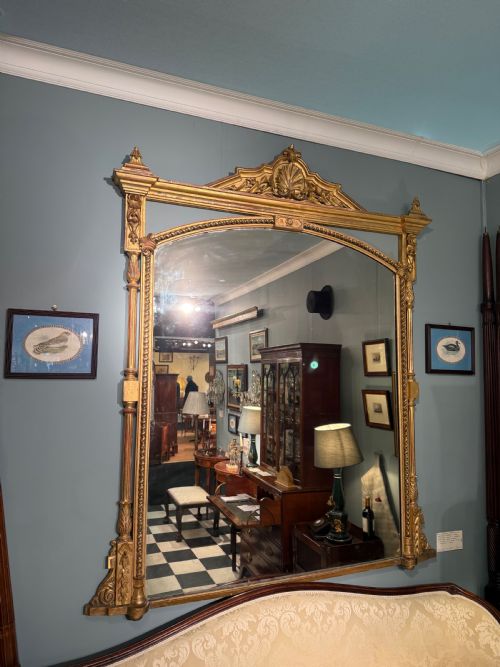
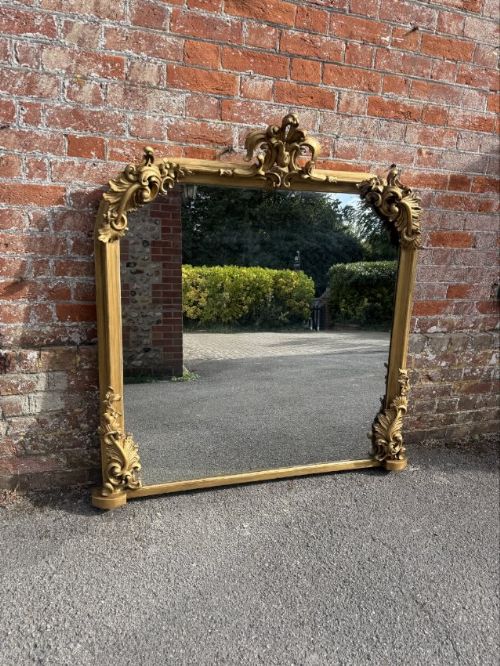
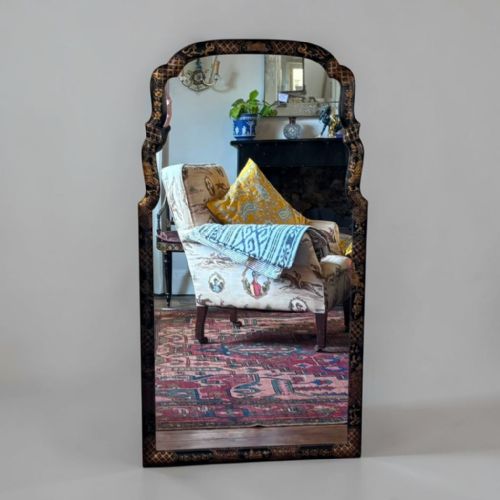
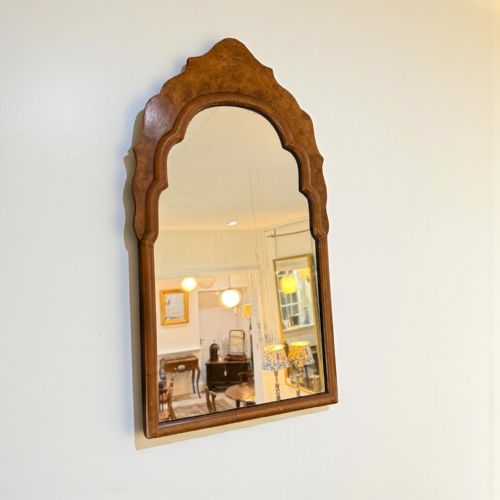
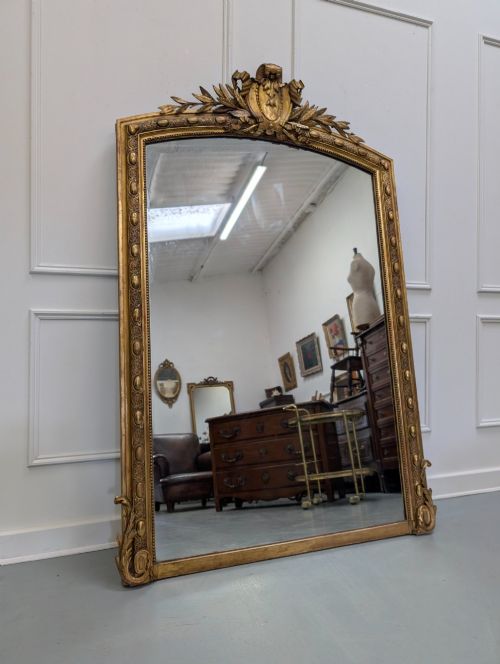
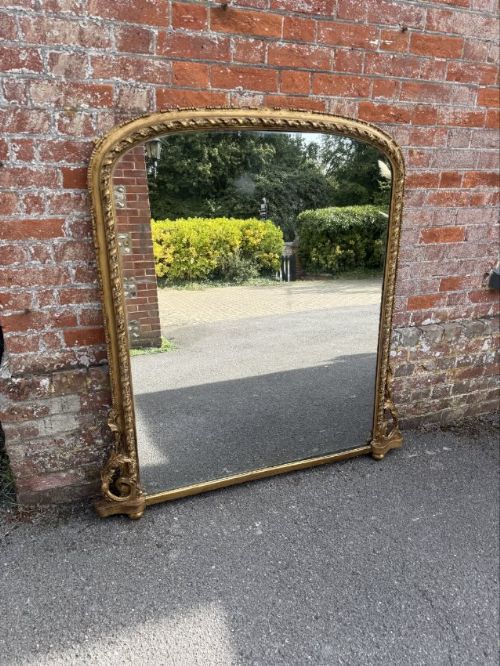
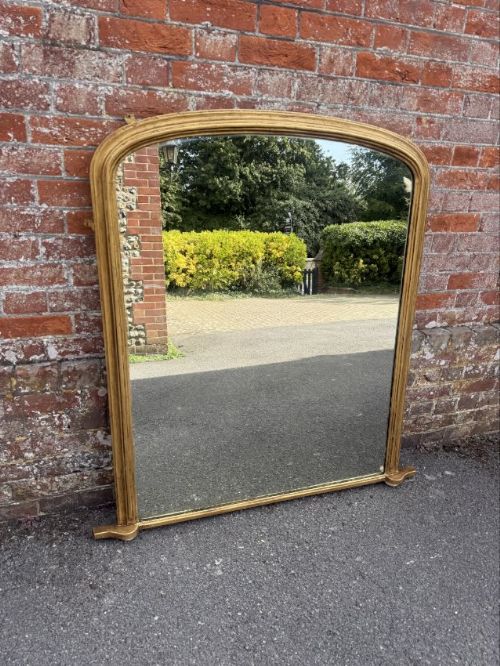
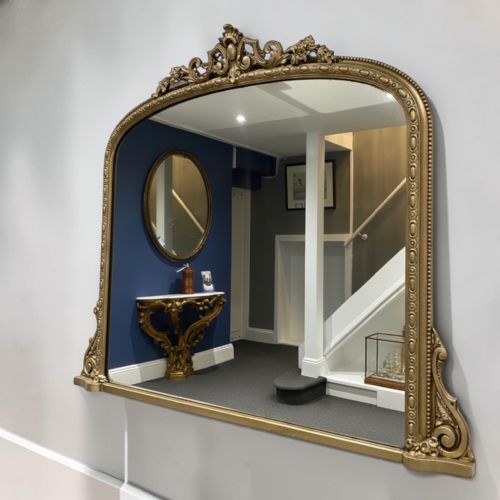
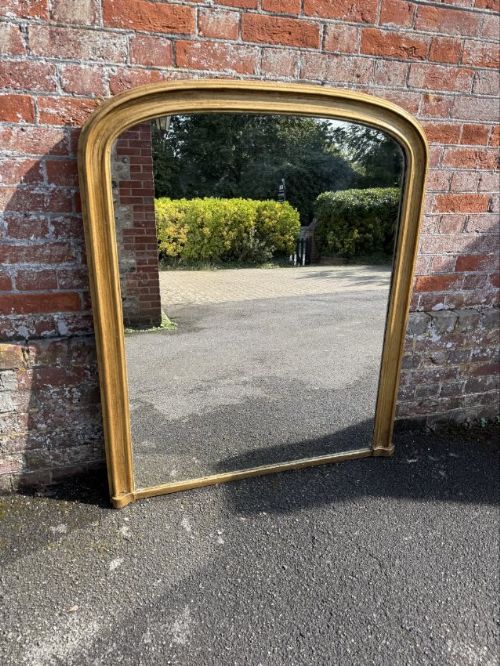
When searching for an antique arch frame mirror, buyers encounter a range of stately overmantel mirrors and wall-hung pieces designed to command attention in a room. These items predominantly originate from the nineteenth century, spanning Victorian and Louis Philippe styles created in both English and French workshops.
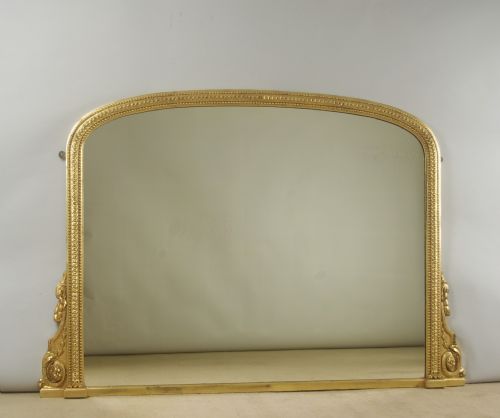
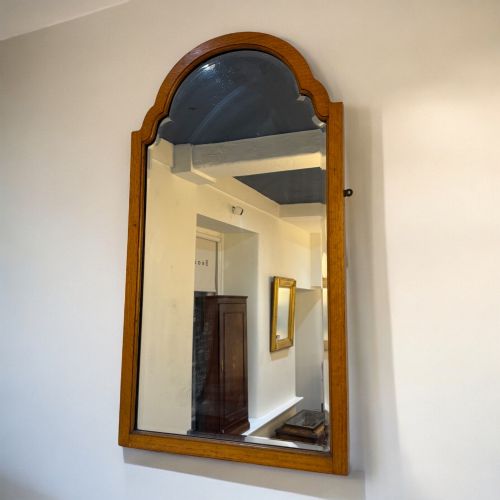
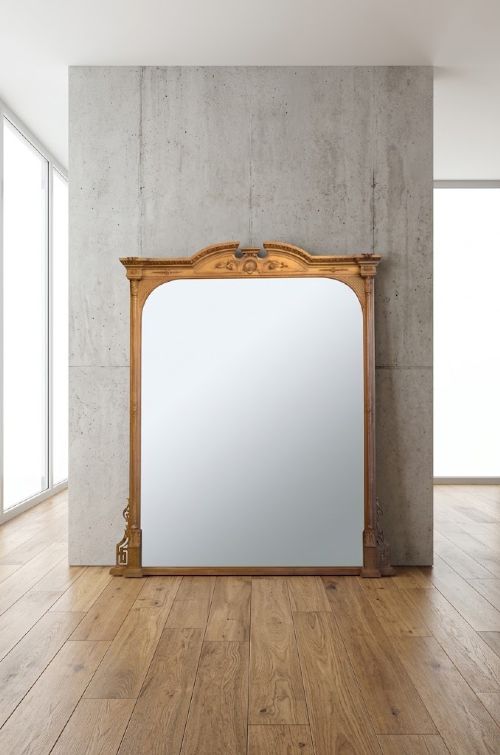
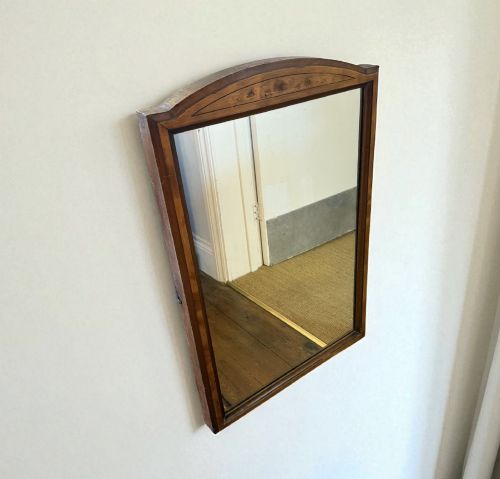
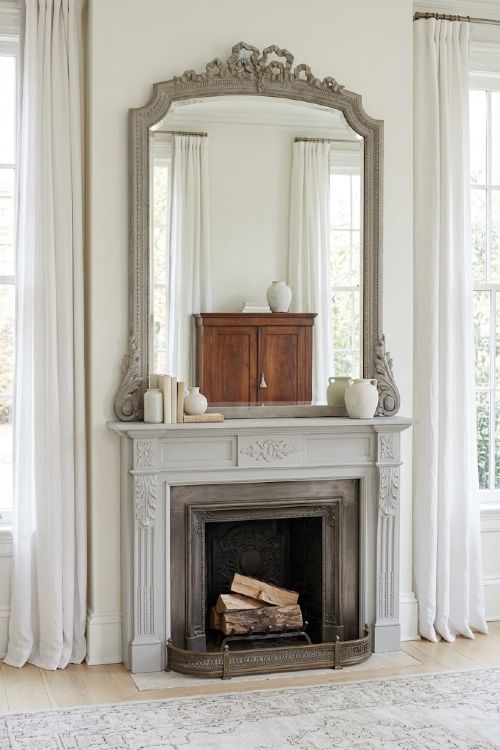
The dominant forms on this page include large gilt overmantels intended to sit above a fireplace, alongside leaner and pier mirrors designed for vertical spaces. Many examples feature distinctive arched, shaped, or crested tops that soften the room's geometry while providing height.
Craftsmanship from this era yields pieces varying from restrained oak frames to heavily ornamented, gilded surfaces featuring classical motifs. Whether sourced from English makers or French provincial estates, these mirrors combine structural timber with decorative plasterwork.
How they were made
The construction of these mirrors relies on a foundation of carved wood and applied gesso or plaster, which allows for intricate surface moulding. Artisans built solid wooden frames from oak, giltwood, or painted timber before applying layers of gesso to carve fine details like rope twists, tulip patterns, and laurel leaves.
Gilding was achieved using gold leaf applied over bole, while other pieces received painted finishes or silvered treatments. Mirror glass was then fitted into the rebate, occasionally featuring bevelled edges or showing age through foxed mercury spots.
Some nineteenth-century glass holds onto memories, wearing charming foxed spots like freckles earned over a long lifetime of reflecting parlours.
What varies in quality
The distinction between standard and exceptional pieces rests upon the crispness of the carved wood and gesso ornamentation. Finer examples display deeply undercut mouldings, such as intricate rope twists, reeding, or laurel leaves, executed by skilled hands rather than cast in simplified relief.
The integrity of the original surface finish heavily influences a piece's standing, distinguishing untouched original gilding or paint from later overpainting. Furthermore, the presence of period mirror glass, whether clear or characterfully foxed, preserves the authentic visual weight of the antique.
The Antique Arch Frame Mirror Glossary
- Gesso
- A plaster-like material applied to wooden frames and carved to create raised decorative details before gilding or painting. This mixture of chalk and binder provides a smooth, receptive base for gold leaf.
- Overmantel Mirror
- A wide mirror specifically proportioned to hang on the wall directly above a fireplace mantelpiece. These pieces often feature horizontal emphasis and grand architectural frames.
- Louis Philippe
- A nineteenth-century French style characterised by clean, understated lines, rounded upper corners, and simple beaded or ribbed frames. It bridges the gap between heavy empire styles and later Victorian ornamentation.
- Foxed Glass
- Mirror glass that has developed dark spots, patches, or a mottled haze due to the degradation of the silver backing over time. Collectors value this natural ageing for the gentle distortion and historic atmosphere it provides.
- Pier Mirror
- A tall, narrow mirror designed to hang on the wall space between two windows, often paired with a console table below. They utilise vertical height to bounce light deep into period rooms.
Antique Arch Frame Mirror: Frequently Asked Questions
Where should I hang an arch frame mirror?
These mirrors are traditionally positioned above a fireplace mantelpiece where their curved tops draw the eye upward and enhance the vertical proportions of the room. They also function effectively as leaner mirrors placed directly on the floor against a living room or hallway wall.
Because of their substantial weight and scale, they require secure fixings anchored directly into structural wall studs or masonry. Positioning them opposite a window will maximise the spread of natural light throughout the space.
How do I identify a French Louis Philippe mirror?
Louis Philippe mirrors are easily recognised by their softly rounded upper corners that form a gentle arch, contrasting with sharper Victorian rectangles. Their frames tend to feature minimal, elegant decoration such as simple ribbed moulding, delicate beadwork, or subtle leaf motifs.
Originating from mid-nineteenth-century France, these pieces prioritize understated grace over heavy ornamentation. They often house original mercury glass that exhibits characteristic foxing around the edges.
What is an overmantel mirror?
An overmantel mirror is a specialised wall mirror engineered specifically to sit atop a fireplace surround. Nineteenth-century craftsmen designed these wider frames to fill the expansive wall space between the mantel shelf and the ceiling.
They frequently incorporate architectural elements like columns, crested tops, and giltwood finishes to anchor the fireplace as the focal point of the interior. Their proportions are deliberately balanced to complement the hearth below rather than standard wall furniture.
How can I tell the difference between English and French styles?
English nineteenth-century mirrors often lean towards robust architectural forms, utilising heavy carved oak, deep gesso mouldings, and pronounced rope twist or tulip frames. They project a sense of solid Victorian grandeur suited to formal drawing rooms.
French pieces from the same era, particularly Louis Philippe and provincial designs, tend to exhibit softer profiles with restrained gilding and silvered finishes. They favour subtle elegance, lighter wooden structures, and graceful decorative carvings.
Can these heavy mirrors be rested on the floor?
Large nineteenth-century mirrors designated as leaner or pier mirrors are structurally built to stand upright against a wall. Their substantial wooden frames provide the necessary rigidity to support the glass safely without hanging.
For safety, it remains essential to secure the top of the frame to the wall using discreet brackets to prevent tipping. This placement creates a relaxed, elegant aesthetic popular in bedrooms and dressing areas.