



Antique Apostle Spoons
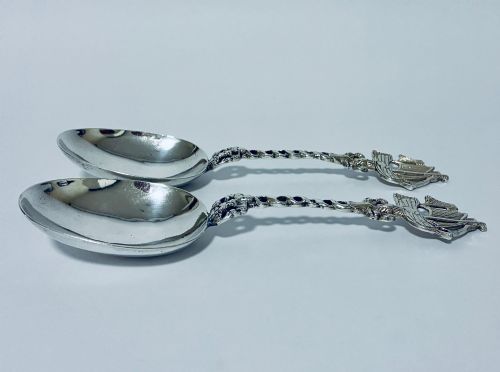
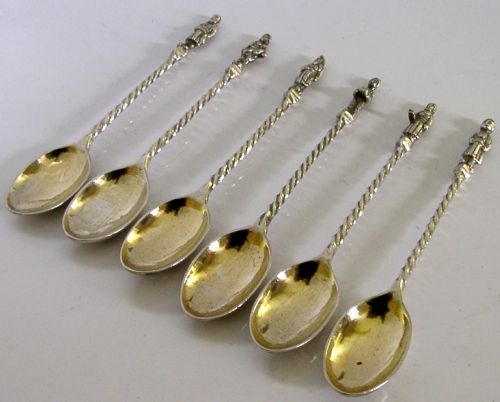
These antique apostle spoons are traditional figural pieces finished with cast finials, offering collectors a tangible link to centuries of silver-smithing heritage.
Antique Apostle Spoons
When you search for antique apostle spoons, you are looking at figural flatware distinguished by terminal figures representing the twelve disciples, which appear across various historical eras and regional traditions.
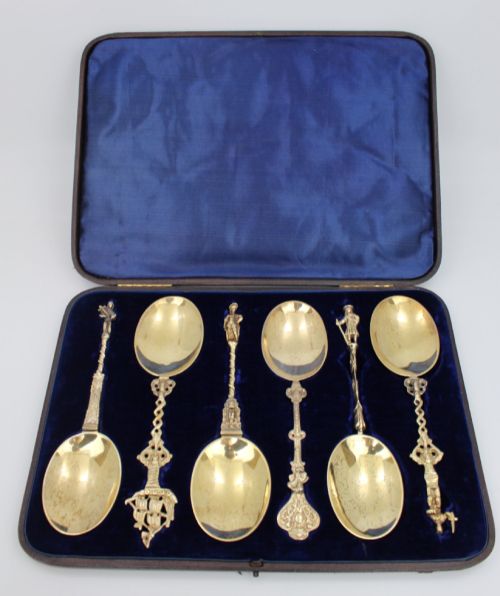
The versions you are most likely to meet on this page include cased sets in sterling silver and silver-gilt dating from the late nineteenth and early twentieth centuries, alongside occasional seventeenth-century examples.
Makers from periods such as the Victorian and George V eras produced these pieces in sets complete with tongs or within fitted velvet and silk-lined cases, alongside distinct Ottoman Turkish and Dutch regional variations.
Materials and construction
Makers utilised solid silver, sterling silver, and silver-gilt to cast and shape these spoons, often combining traditional hand-hammered techniques with detailed figural casting for the terminal ends.
Surface ornamentation frequently includes repoussé work, where the metal is hammered into relief from the reverse side to create texture and depth on the bowl or stem.
Presentation sets incorporate fitted protective cases lined with velvet, leatherette, and silk to house the spoons and matching sugar tongs securely.
Antique Apostle Spoons Retail Price Guide 2026
Typical asking prices for apostle spoons among the pieces listed under this phrase on Sellingantiques today, from the lower quarter to the upper quarter. They describe what is for sale here now, not the wider market.
Materials appearing across the inventory include sterling silver, silver-gilt, and silver plate, accompanied by fitted cases lined in silk and velvet.
Assessing quality and craftsmanship
The distinction between standard items and superior examples lies in the crispness of the cast figural finials and the depth of the repoussé detailing on the bowl and handle.
Early seventeenth-century pieces derive their standing from the clarity of their hallmarks and the historical integrity of the manufacture, whereas later sets are judged on the uniformity of the silversmith's output across the entire group.
Deakin & Francis·Jerimiah Johnson·Berthold Herman Muller
The Antique Apostle Spoons Glossary
- Apostle spoon
- A spoon featuring a cast figure of an apostle on the terminal of the handle. These pieces date back centuries and were traditionally given as christening gifts.
- Silver-gilt
- Silver that has been coated with a thin layer of gold on the surface. This technique imparts a rich, warm tone to the metal.
- Repoussé
- A metalworking technique where the artisan hammers the design from the reverse side to form raised ornamentation. It creates highly tactile surfaces on antique silverware.
- Hallmark
- An official stamp or marks struck on items made of precious metals, indicating the maker, standard of purity, and year of assay. These marks help verify the origin of the piece.
- Seal top spoon
- An early form of spoon featuring a flat, circular terminal resembling a signet seal. They share the historical timeline of early figural cutlery.
Antique Apostle Spoons: Frequently Asked Questions
What are apostle spoons used for?
These spoons served primarily as ceremonial or display items rather than everyday cutlery, often presented as traditional christening gifts from godparents.
Over later centuries, smaller versions were produced as commemorative or display sets housed in presentation cases with matching sugar tongs.
How do I date a silver spoon?
Dating relies heavily on reading the hallmarks stamped onto the metal, which indicate the assay office, the specific year cycle, and the maker's mark.
Stylistic markers such as the shape of the bowl, the casting style of the apostle figure, and the presence of repoussé work also point toward specific periods like the seventeenth century or the Victorian era.
Are cased spoon sets original?
Many sets from the late nineteenth and early twentieth centuries were retailed in purpose-built cases lined with velvet or silk to protect the silver-gilt or sterling finishes.
Checking the fit of the spoons within the velvet slots helps confirm whether the case and the cutlery were paired together originally.
What is the difference between silver and silver-gilt?
Solid silver objects consist entirely of silver alloys meeting the required standard of purity, such as sterling silver.
Silver-gilt involves taking a solid silver base and applying a fine layer of gold over the surface, resulting in a rich two-tone appearance that was popular in formal dining and ceremonial sets.