
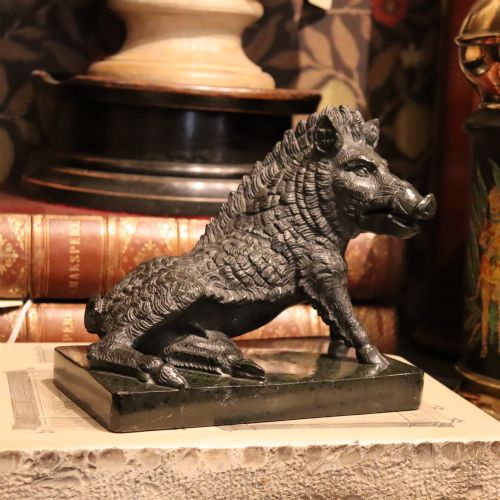
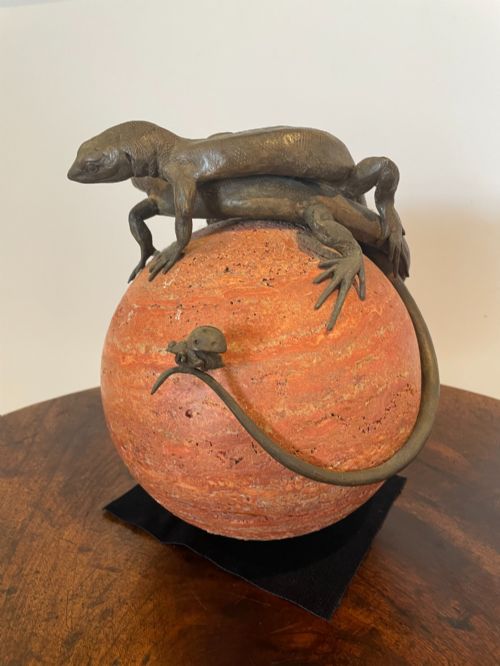
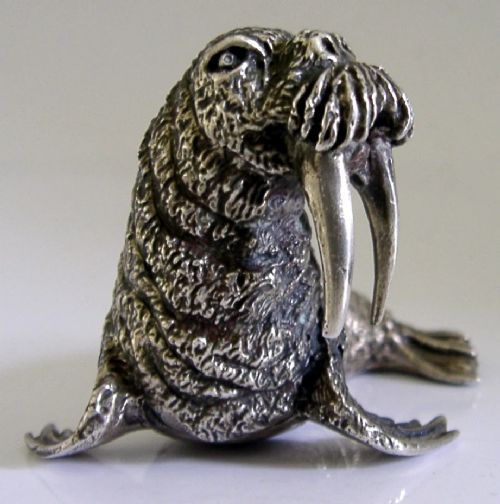
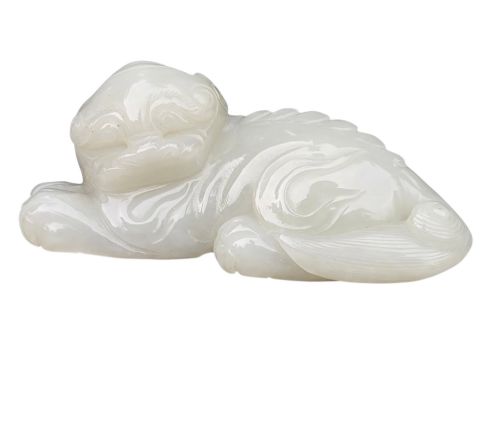
Antique Animal Paperweight
When you search for an antique animal paperweight, you find small bronze, glass, and stone creatures designed to hold down your correspondence.
Antique Animal Paperweight
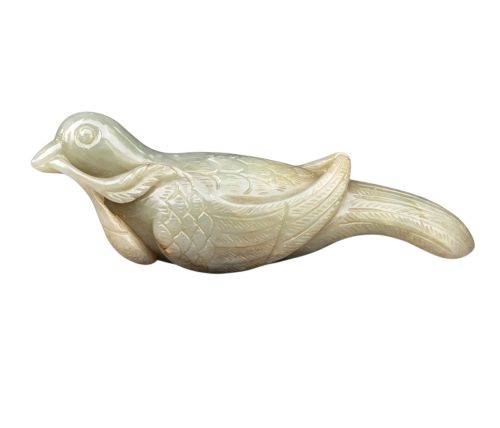
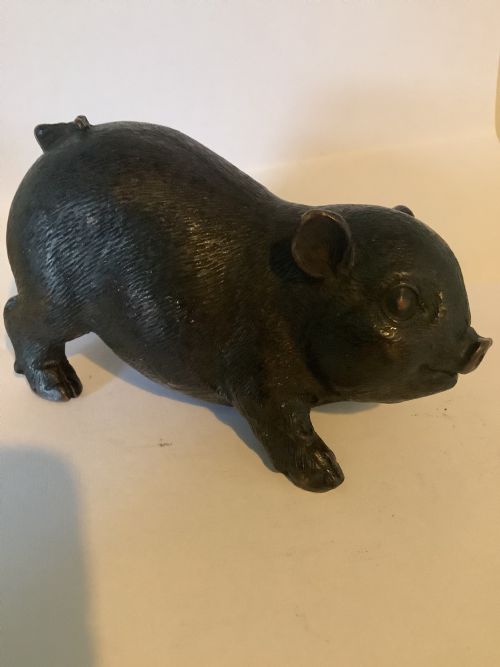
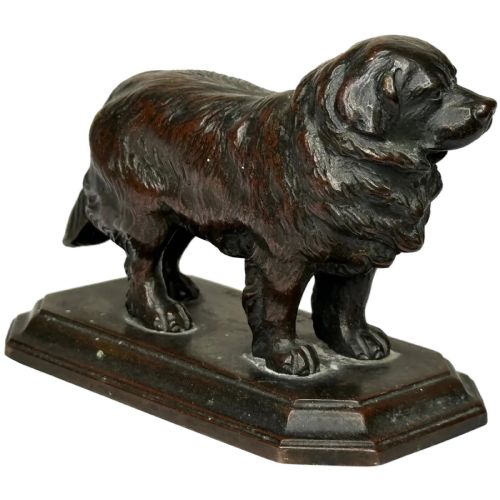
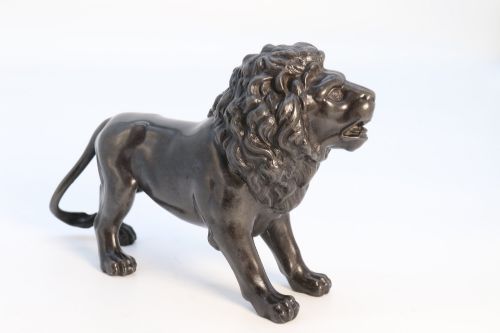
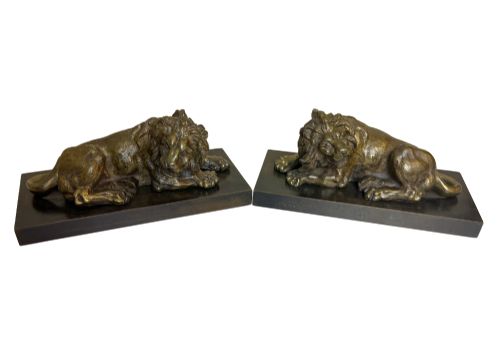
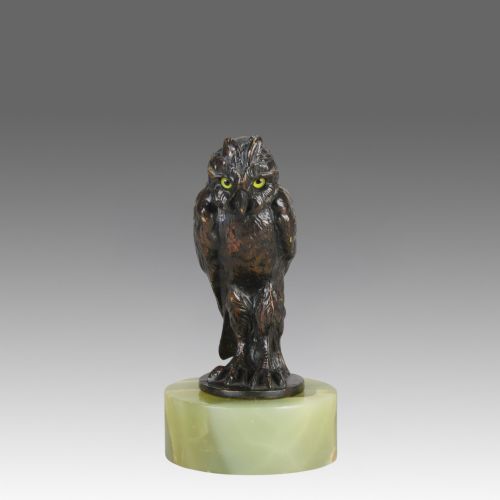
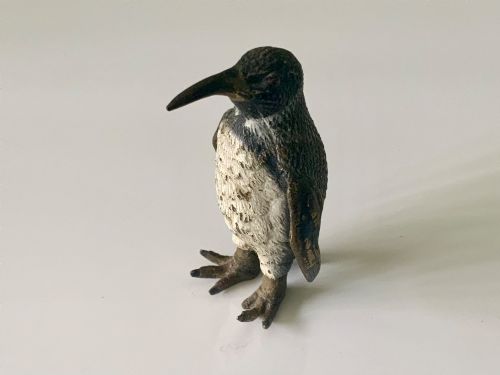
An antique animal paperweight serves as a functional desk ornament, merging utility with miniature sculpture. These objects take the form of domestic dogs, wild cats, birds, and mythical beasts.
The selections encountered here originate primarily from the nineteenth and early twentieth centuries. European workshops and Asian dynasties both contributed to this diverse category of desk accessories.
Makers utilised durable materials to ensure the object possessed sufficient heft for holding paper. Bronze, marble, glass, and silver recur frequently across the inventory.
Materials and technique
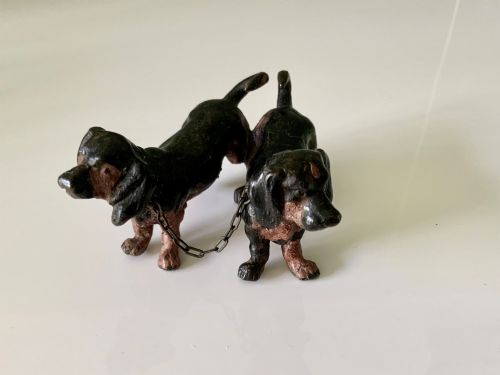
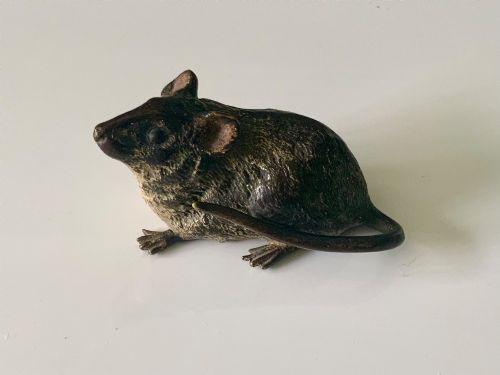
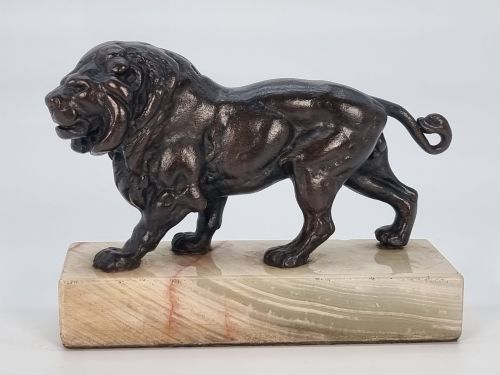
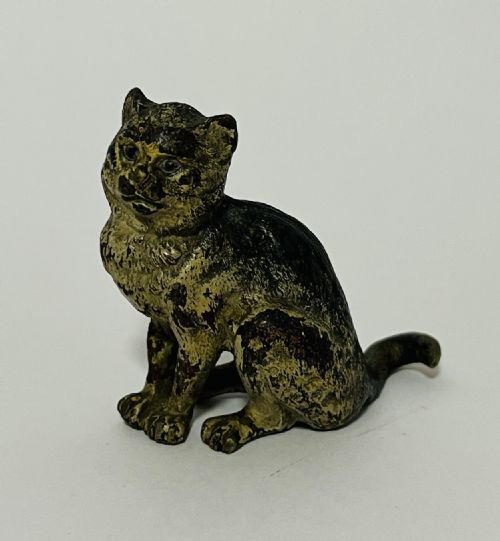
Foundry workers employed the lost-wax method to cast many of the metal subjects. Artisans then applied cold-painted enamels or chemical patinas to the bronze surfaces.
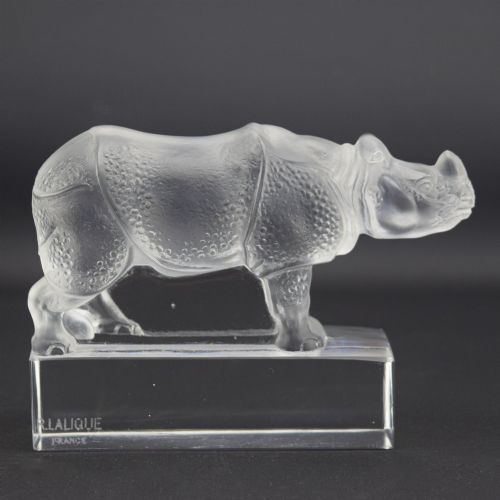
Glassmakers relied on moulding and frosting techniques to shape transparent or translucent figures. Carvers worked directly by hand when fashioning jade, serpentine marble, and hardwood into animal forms.
Listings span multiple centuries, ranging from eighteenth-century jade carvings to twentieth-century Lalique glass and Austrian cold-painted bronzes.
Factors of quality
Anatomy and proportion separate superior modelling from basic production. Master modellers captured muscle tension and natural posture with precise observation.
Surface finish dictates the visual appeal of painted or patinated metals. Preserved cold paint and hand-chased surface details elevate the standing of a piece.
Franz Bergman·Antoine Louis Barye·Berthold Muller·Rene Lalique·Liberty and Co
The Antique Animal Paperweight Glossary
- Animalier
- A nineteenth-century artistic movement focused on the realistic depiction of animals. Sculptors in this tradition worked predominantly in bronze.
- Cold-painted bronze
- A technique where bronze figures are painted with oil or enamel paints without subsequent firing. This method was widely used by Austrian foundries.
- Grand Tour
- A traditional trip through Europe undertaken by upper-class scholars in the eighteenth and nineteenth centuries. Travellers often acquired small bronzes and carved stone models as souvenirs.
- Geschützt
- A German term meaning protected or registered, often stamped on Austrian metalwork. It indicates a patented design or trademark.
- Patina
- The surface sheen or colour that develops on metal over time through age and handling. Artisans also applied chemical patinas intentionally to simulate natural ageing.
Antique Animal Paperweight: Frequently Asked Questions
What materials were used for these weights?
Makers relied heavily on cast bronze, brass, and silver for metallic animal figures. Other common materials include carved jade, serpentine marble, onyx, frosted glass, and hardwood.
Heavier materials were chosen specifically to ensure the object could function effectively on a desk. Metal and stone variants dominate the selection.
Who made cold painted bronze animals?
Austrian foundries produced the majority of cold-painted bronze figures during the late nineteenth and early twentieth centuries. Prominent workshops, including that of Franz Bergman, exported these colourful items internationally.
French animalier sculptors also produced finely detailed animal bronzes. These works often featured naturalistic patinas rather than bright polychrome paint.
How do I date an antique paperweight?
Dating relies on stylistic clues, manufacturing techniques, and foundry marks. Pieces from the nineteenth century often exhibit heavier classical influence and traditional patination.
Twentieth-century examples frequently incorporate Art Deco styling or specific registry stamps. Material analysis and maker signatures further help establish an accurate period.
How were these objects used originally?
Owners placed these small sculptures on office desks and writing tables to anchor loose papers and letters. They served as decorative companions for scholars and writers.
Beyond simple utility, they functioned as cabinet curiosities and display ornaments. Wealthy collectors gathered them to demonstrate taste and refinement.