




Antique Animal Illustration
These antique animal illustration pieces capture the character of wildlife and pets across centuries, offering timeless charm for any collector.
Antique Animal Illustration
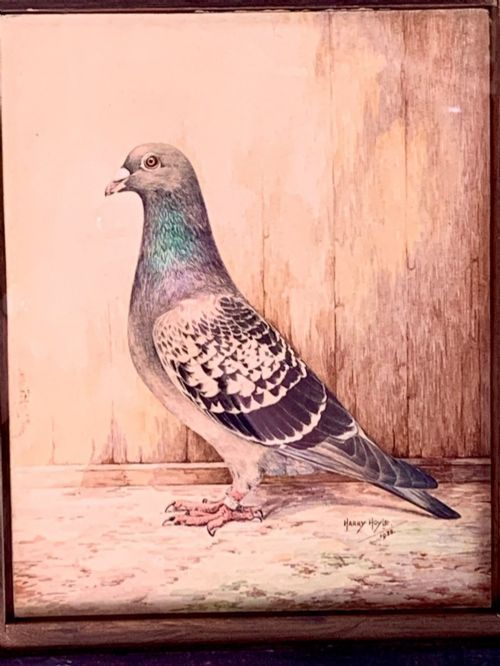
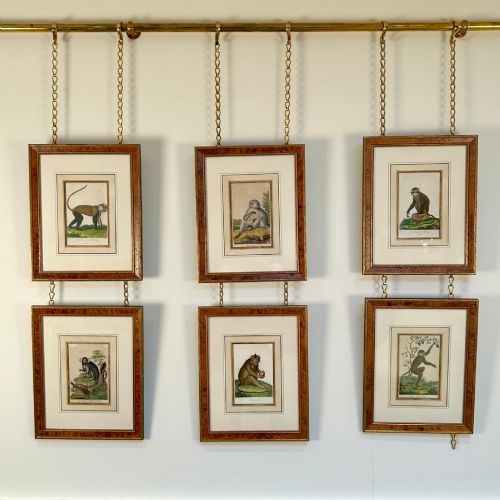
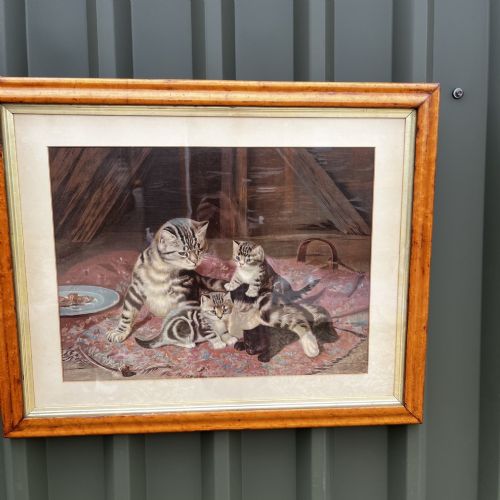
When you search for antique animal illustration, you are looking at works on paper, framed prints, and original paintings spanning from the 18th century to the mid-20th century. These pieces record creatures ranging from domestic cats and dogs to exotic lions, tigers, monkeys, and hippos through various historical lenses.
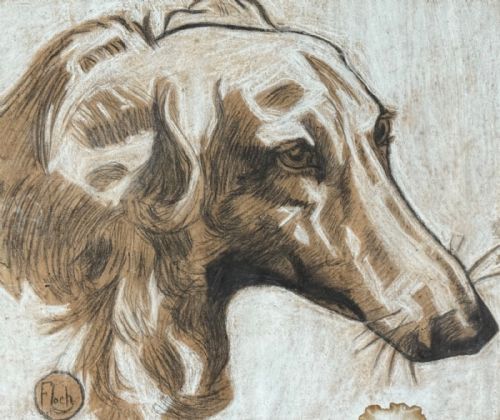
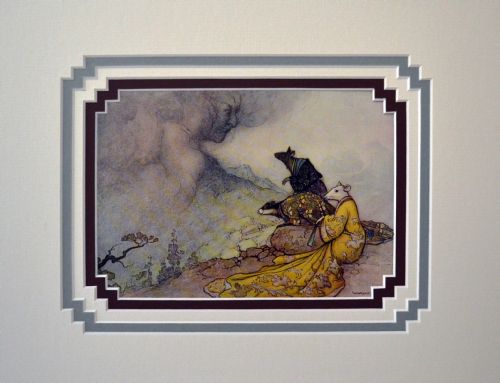
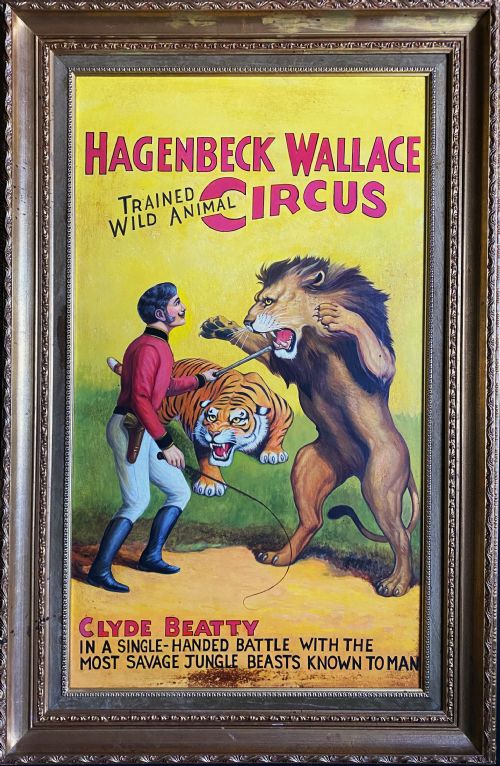
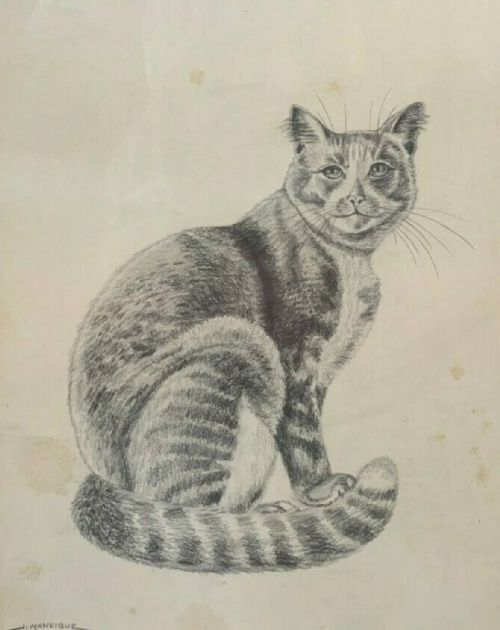
The selection on this page most frequently presents framed watercolours, drawings, and engravings from the Victorian, Edwardian, and Georgian eras. You will encounter everything from delicate pencil sketches of borzois to hand-coloured engravings and chromolithographs.
How They Were Made
Artists and illustrators utilised paper, buff paper, and canvas as the primary grounds for their work, applying mediums such as watercolour, gouache, pencil, pastel, and oil paint. Engravings and chromolithographs represent the printed methods used to reproduce natural history and domestic animal subjects in multiple copies.
Many works incorporate fine details enhanced by gold leaf or careful hand-colouring over printed lines. Framing often involves period wood and glass to protect the delicate works on paper from environmental damage.
Materials recorded across the inventory include watercolour, gouache, oil, pencil, gold leaf, glass, and buff paper.
What Varies in Quality
Quality rests upon the skill of the draughtsman or painter in capturing the anatomical accuracy, movement, and personality of the subject. Masterful handling of light and shadow in mediums like watercolour or oil distinguishes accomplished works from simpler decorative prints.
The preservation of the paper support, the vibrancy of the pigments without fading, and the authenticity of the period framing all contribute to the standing of an individual piece within its genre.
Horatio Henry Couldrey·Warwick Goble·Louis Wain·Helena Maguire·J Manrique·R Lauritsch·Cuthbert Edmund Swan
The Antique Animal Illustration Glossary
- Chromolithograph
- A multicolour print produced through a specialised lithographic process that builds up rich hues layer by layer. This technique allowed Victorian publishers to replicate the dense tones of original paintings with remarkable fidelity.
- Engraving
- An intaglio printing method where an artist cuts lines directly into a metal plate to hold ink. The resulting impressions yield sharp, precise details often seen in early scientific and natural history illustrations.
- Gouache
- An opaque water-based medium that provides solid blocks of matte colour and sharp highlights. Artists frequently combined it with pencil or watercolour to give animal subjects greater depth and texture.
- Buff paper
- A pale brownish-yellow paper stock favoured by draughtsmen in the early twentieth century. The warm neutral tone acts as a mid-value background that makes white gouache and dark pencil marks pop.
Antique Animal Illustration: Frequently Asked Questions
How do I care for antique watercolours?
Keep works on paper away from direct sunlight to prevent the watercolours and pigments from fading over time. Maintain a stable room temperature to protect both the paper and the original wood framing.
Ensure that the glass protects the surface from moisture and dust accumulation without resting directly against the delicate painted or drawn media.
Are these pieces original art or prints?
The selection includes a mixture of unique original works, such as pencil drawings, gouache studies, and oil paintings, alongside period print mediums like chromolithographs and engravings.
Read the individual listings to identify whether a piece is a one-of-a-kind hand-painted work or a historic printed edition from the publisher.
How can I tell the period of a piece?
Dating relies on the stylistic markers of the art, such as Art Deco geometries, 1930s British Realism, or Victorian genre painting conventions. The paper type, framing style, and artist attribution also offer clear chronological clues.
Examine the condition of the paper and any inscriptions on the reverse to confirm the historical context of the creation.