
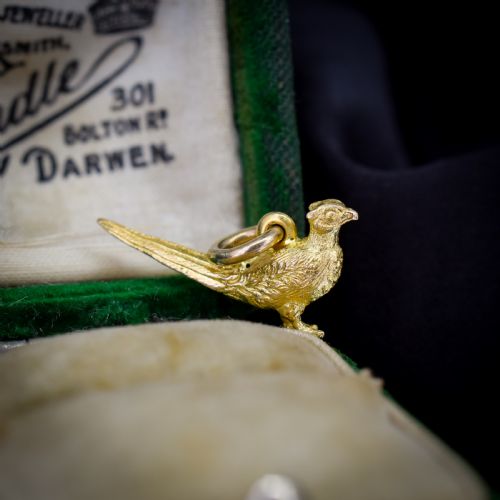
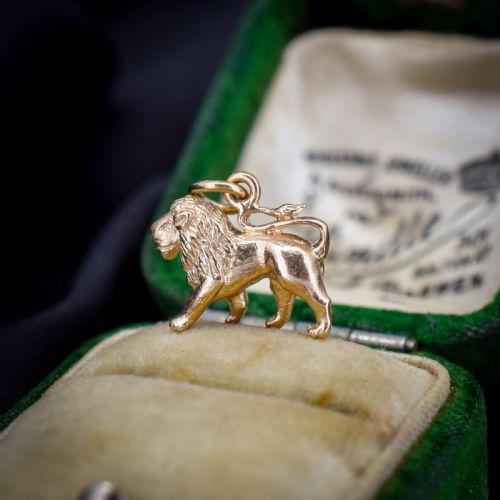
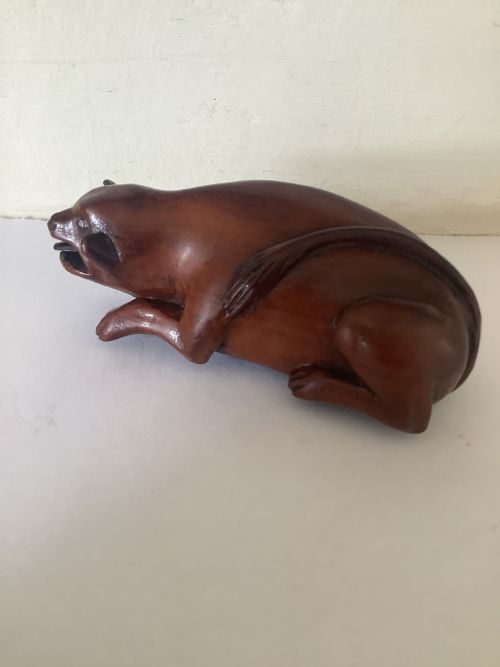
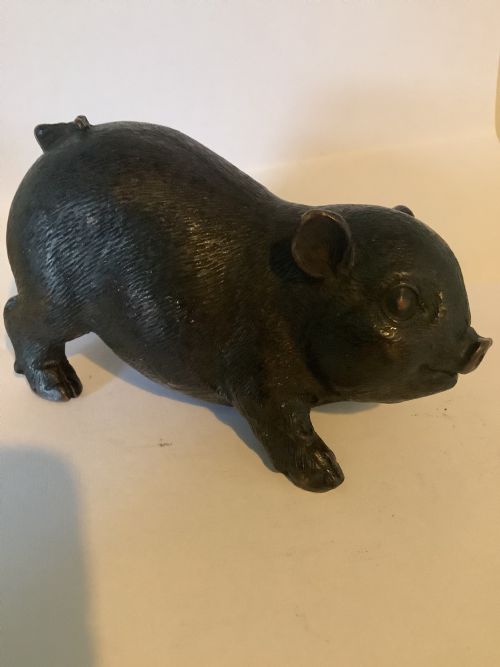



Antique Animal Charm
These antique animal charm pieces bring miniature creatures to life in gold, silver, bronze, and carved wood, offering delightful historical companions for a bracelet or cabinet.
Antique Animal Charm
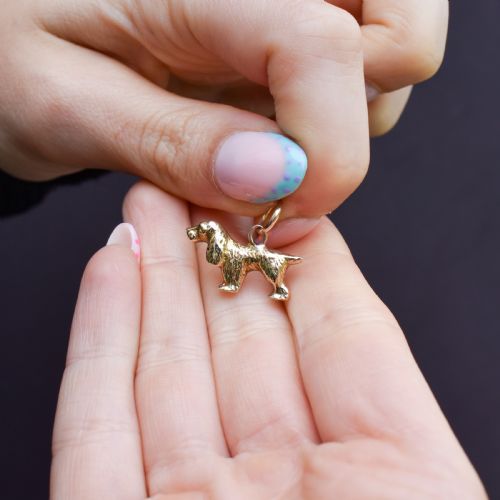
An antique animal charm encompasses small sculptural pendants, miniature figurines, and fob seals shaped as creatures, which appear across periods from the nineteenth century to the mid-century.
The pieces on this page range from solid gold and sterling silver pendants worn on bracelets to bronze figures, carved wood animals, and painted metal money boxes.
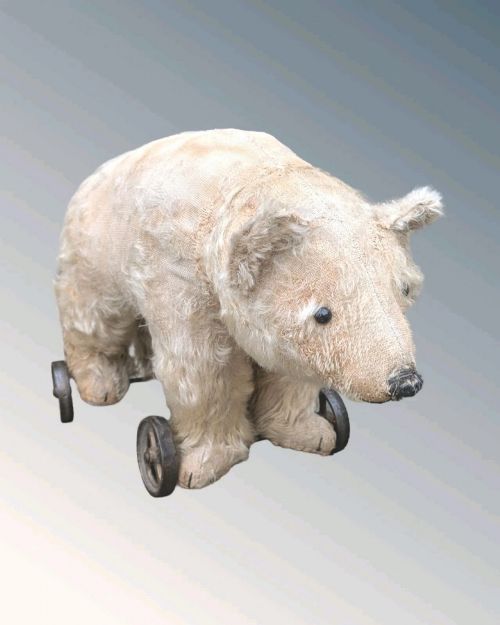
Victorian and Edwardian examples dominate the selection, often taking the form of pigs, bears, dogs, and birds rendered in precious metals or detailed cast bronze.
Materials and construction
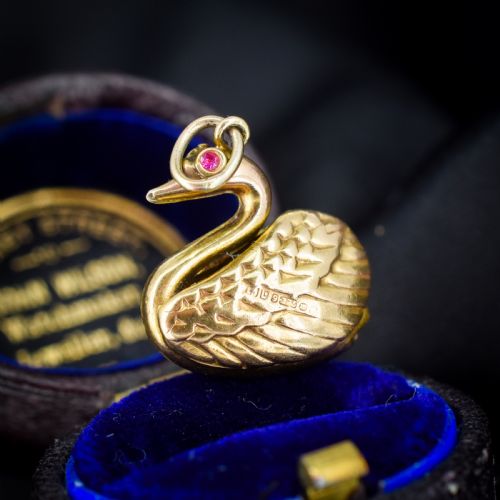
Metal pieces rely on traditional casting techniques, utilising sterling silver, 9ct yellow gold, and bronze, sometimes enhanced with cold painting or inset ruby eyes.
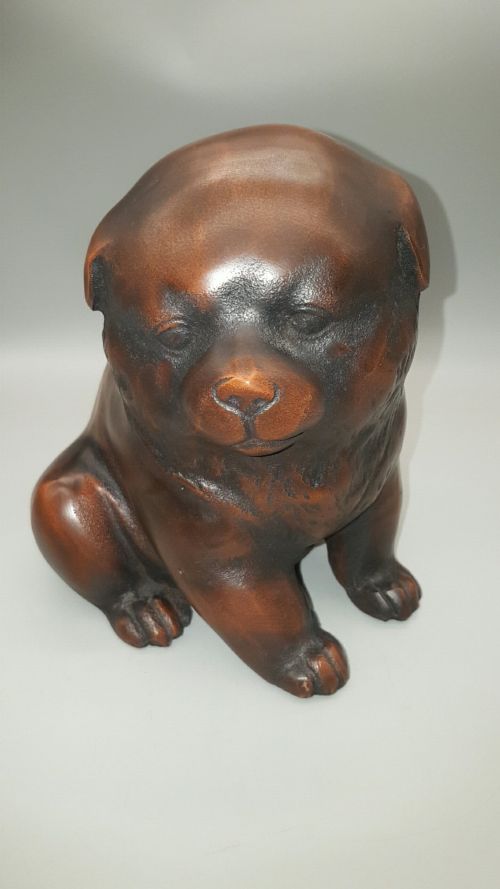
Carved pieces utilise natural materials like hardwood, soapstone, and chalcedony, shaped by hand to create intricate surface textures on figures of rabbits, sows, and elephants.
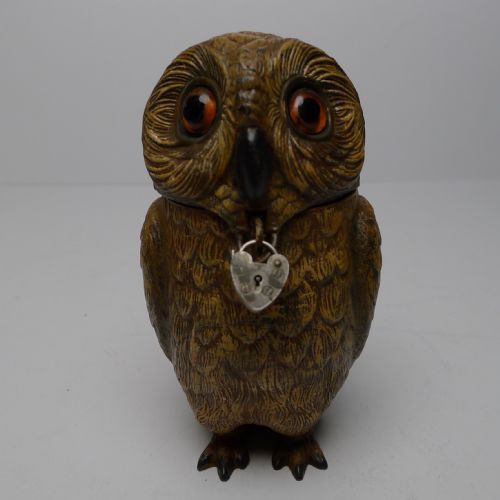
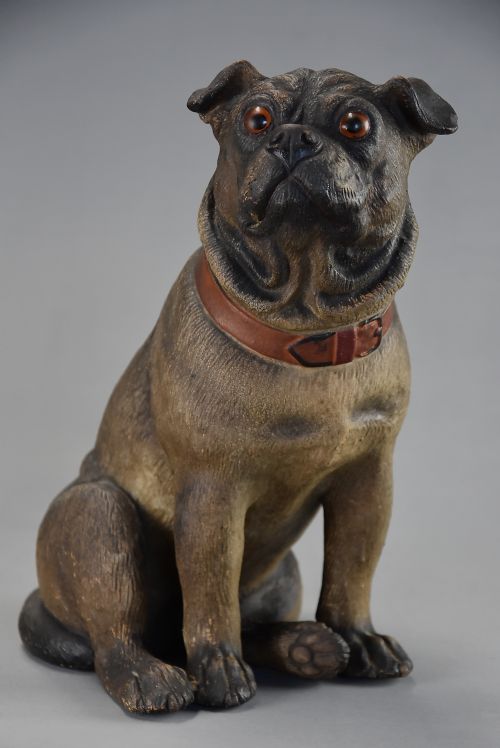
Terracotta and spelter provide alternative mediums for sculptural items, allowing makers to model domestic and wild animals with distinct regional styles.
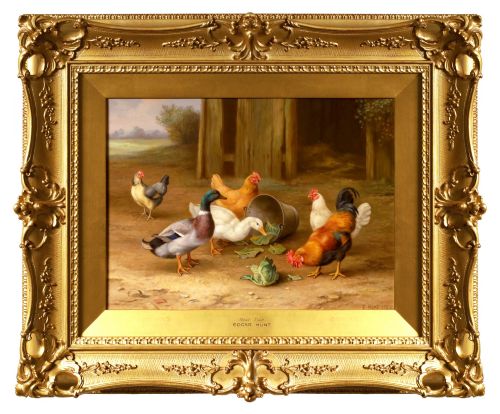
Object forms span diverse categories, incorporating jewellery charms, snuff boxes, money boxes, oil paintings, and desktop inkwells.
Evaluating quality and craftsmanship
Quality rests upon the crispness of the modelling and the fidelity of the anatomical details, distinguishing a lively, hand-finished subject from a mass-produced casting.
The choice of material and the preservation of original applied colour, enamel, or cold paint significantly influence the character and integrity of each piece.
Signed works by known makers or silversmiths demonstrate superior mastery in metalwork and chasing compared to unmarked workshop pieces.
Edgar Hunt·Hamilton and Co·Berthold Muller·Tsunemitsu·P de Soete
The Antique Animal Charm Glossary
- Animalier
- A nineteenth-century artistic style focused on the realistic depiction of animals. Sculptors working in this manner paid close attention to anatomical accuracy.
- Cold painted bronze
- A method where bronze sculptures are painted with unfired cold enamel paints. Careful handling is required to preserve the delicate pigment over time.
- Fob seal
- A small decorative pendant hung from a pocket watch ribbon. They often feature carved hardstones or metals shaped as animals.
- Spelter
- An alloy of zinc and copper used as a cheaper substitute for bronze. It is softer and usually requires a painted surface finish to resemble heavier metals.
- Vesta case
- A small pocket box designed to hold matches. Victorian examples were frequently cast in the novelty shapes of animals like boars and elephants.
Antique Animal Charm: Frequently Asked Questions
What metals are used in these animal charms?
The pieces utilise 9ct yellow gold, sterling silver, and bronze as the primary structural metals for pendants and small sculptures. Enamel and gold casing also appear on specific Victorian and Edwardian examples.
Additional materials include spelter, terracotta, hardwood, and soapstone, which provide varied textures and weights across different object types.
How do I date an antique animal charm?
Dating relies on hallmarks stamped onto precious metals, style markers such as Victorian realism or Art Nouveau curves, and the specific fabrication techniques used by the workshop.
Makers' marks and engraved dates on novelty silver pieces offer precise chronological anchors for items originating from the nineteenth and early twentieth centuries.
Were these always worn on charm bracelets?
While many gold and silver animal charms were suspended from bracelets or watch chains, others functioned independently as desk seals, inkwells, money boxes, or miniature cabinet bronzes.
Objects like vesta cases and snuff boxes served practical daily functions while incorporating animal forms into their decorative design.
How should I clean a painted bronze charm?
Painted bronze and cold-painted pieces require very gentle maintenance using a dry, soft cloth to remove dust. Moisture and chemical cleaners will damage the fragile historic pigments.
Solid gold and silver items tolerate more traditional jewellery cleaning methods, provided no abrasive materials touch gemstone settings like rubies.