



Antique Alabaster Table
These antique alabaster table pieces bring tactile warmth and classical form into a room.
Antique Alabaster Table
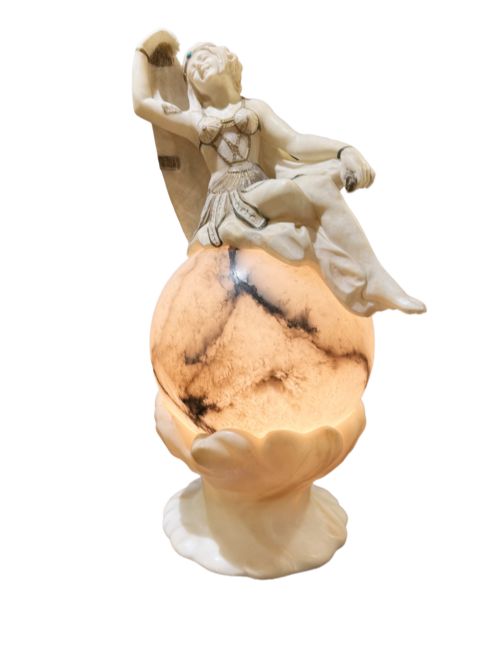
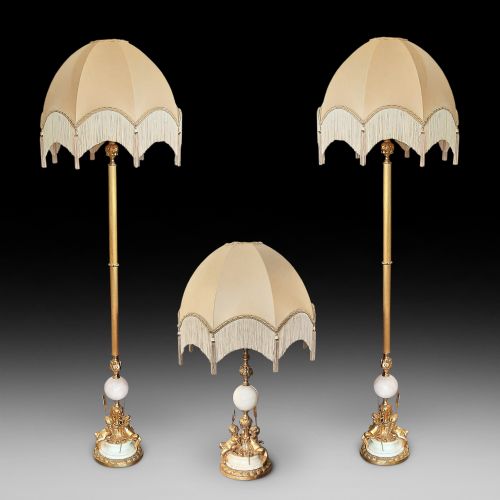
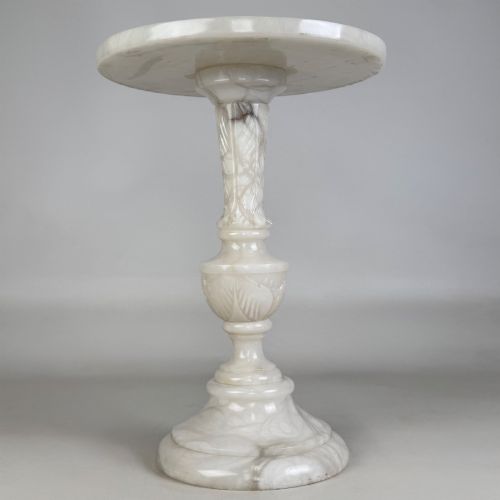
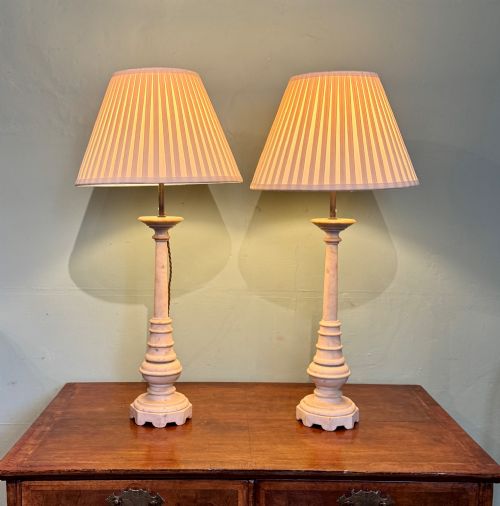
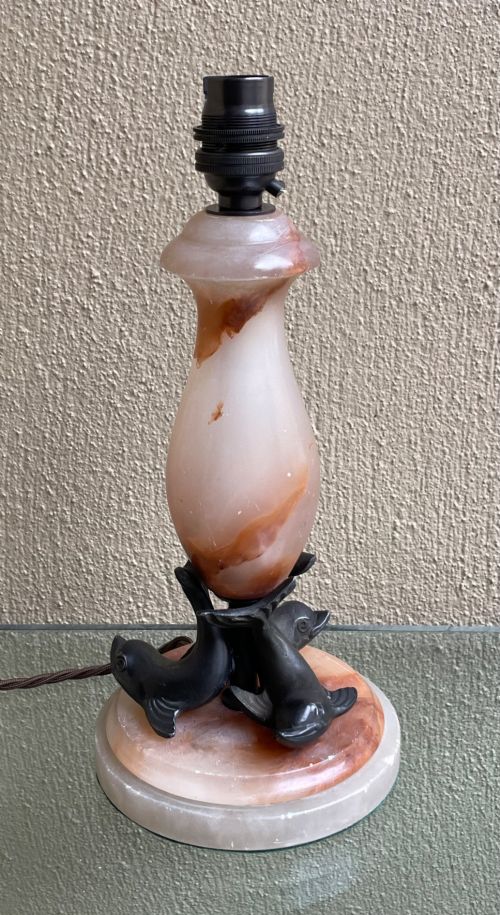
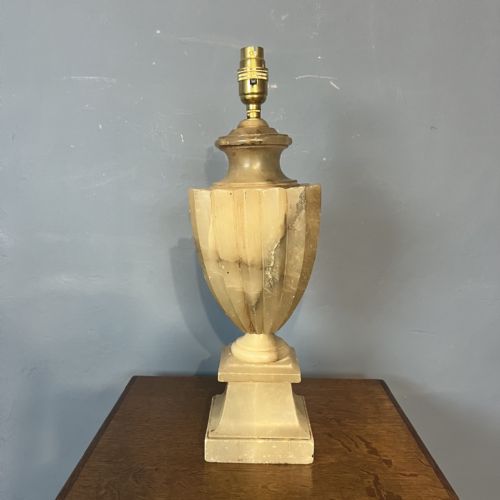
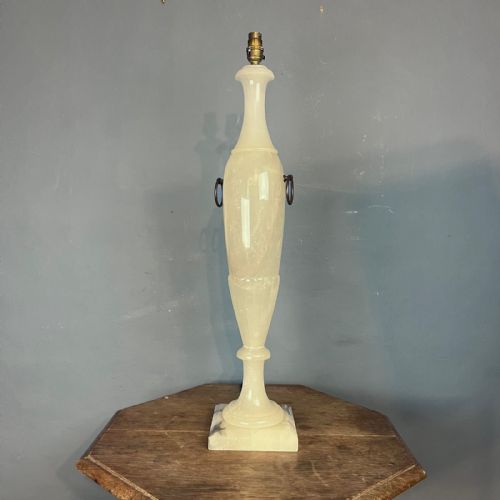
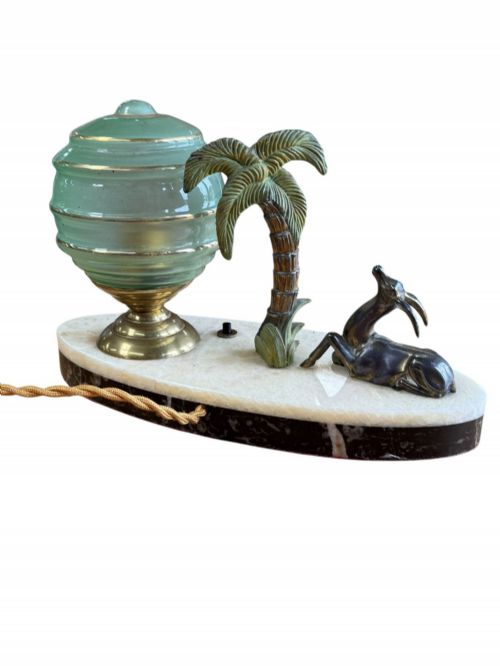
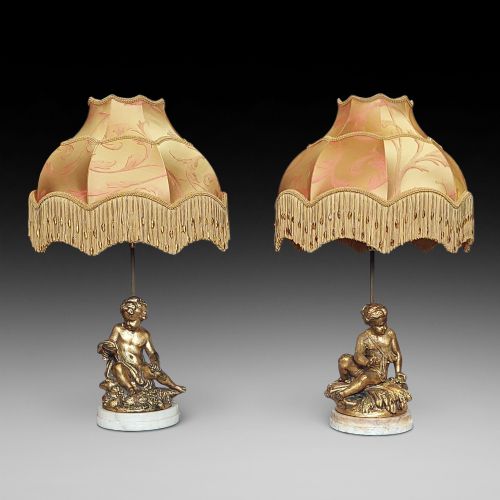
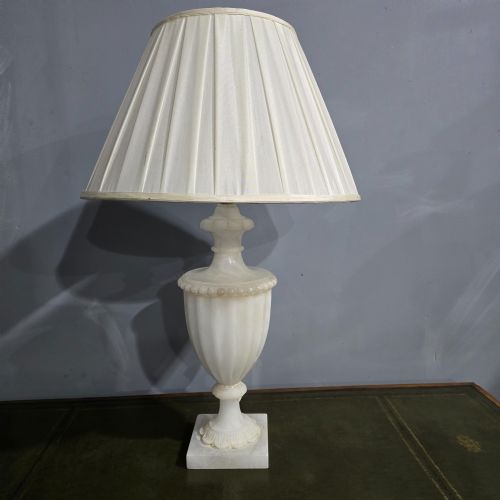
An antique alabaster table piece spans small side supports and plant stands with carved stone tops, alongside sculptural table lamps and clock bases. The selection leans heavily towards early twentieth century lighting and late nineteenth century decorative stands.
The objects derive largely from Victorian, Edwardian, and Art Deco periods, drawing on classical revival and French styles. Italian workshops feature prominently in the carved figurative works and lamp bases.
Materials and construction
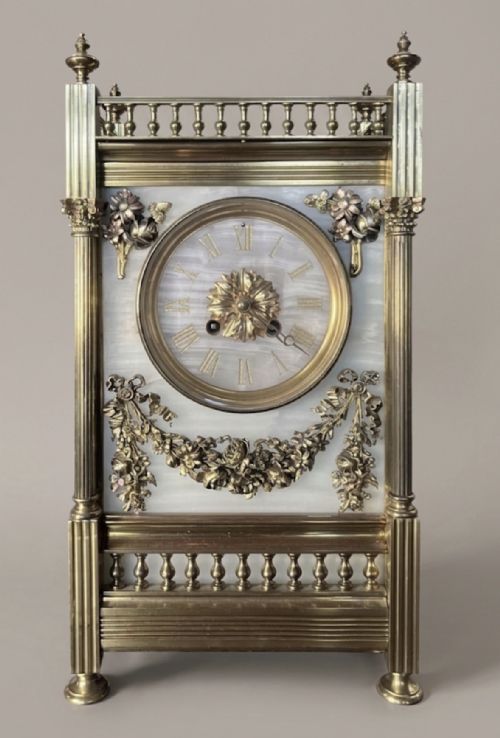
Craftsmen shaped the translucent stone alongside brass, gilt bronze, and ormolu mounts to build structural integrity and decorative contrast. Metal components secure the soft stone elements in lighting and clock cases.
Carving and turning techniques define the surfaces, utilising the natural veining of the stone. Bases frequently incorporate mixed media such as glass, enamel, and fabric details.
Antique Alabaster Table Retail Price Guide 2026
Typical asking prices for alabaster table among the pieces listed under this phrase on Sellingantiques today, from the lower quarter to the upper quarter. They describe what is for sale here now, not the wider market.
Listings feature periods from the Victorian era through the Art Deco movement of the 1930s.
Determinants of quality
Depth of carving and clarity of the stone separate simpler utilitarian items from masterworks. Uniformity in the natural veining and precision in the metal mounts dictate the overall standard.
Originality of the fitted French clock movements or electrical fittings preserves the integrity of the piece. The crispness of figural details in sculptures and lamp bases marks the work of skilled hands.
Gugielmo Pugi·James Ritchie and Son·Farcot
The Antique Alabaster Table Glossary
- Alabaster
- A fine-grained, translucent stone used for carving decorative objects and lamp bases. Its softness allows for intricate detail work.
- Ormolu
- Gilded bronze used for decorative mounts and accents on clock cases and furniture. The finish provides a rich golden contrast to white stone.
- Portico clock
- A monumental clock design featuring architectural columns supporting the movement. These often incorporate stone bases and gilt metal details.
- Spelter
- A zinc alloy frequently cast into figures and mounted onto stone bases. It served as a more accessible alternative to bronze.
Antique Alabaster Table: Frequently Asked Questions
How do I clean alabaster?
Use a dry, soft cloth to remove dust from the carved surfaces. Avoid water and chemical cleaners, as the stone is porous and sensitive to moisture.
Gentle care preserves the original polish and prevents damage to the delicate translucent layers of the material.
Are the clock movements original?
Many retain their period mechanical movements, such as eight day French striking mechanisms. Inspect individual listings for specific details regarding working order.
Movements often bear the marks of nineteenth century makers who paired them with stone cases.
How do I date an alabaster lamp?
Stylistic markers like geometric Art Deco lines or Edwardian motifs provide clear chronological brackets. Wiring and metal mounts also offer clues to the period of manufacture.
Italian provenance and specific sculptural themes frequently align with the early twentieth century.
Where were these pieces made?
Italian workshops produced a large portion of the carved stone sculptures and lamp bases. French makers frequently supplied the metal mounts and clock movements.
English makers also utilised imported stone for domestic mantel clocks and occasional furniture.