


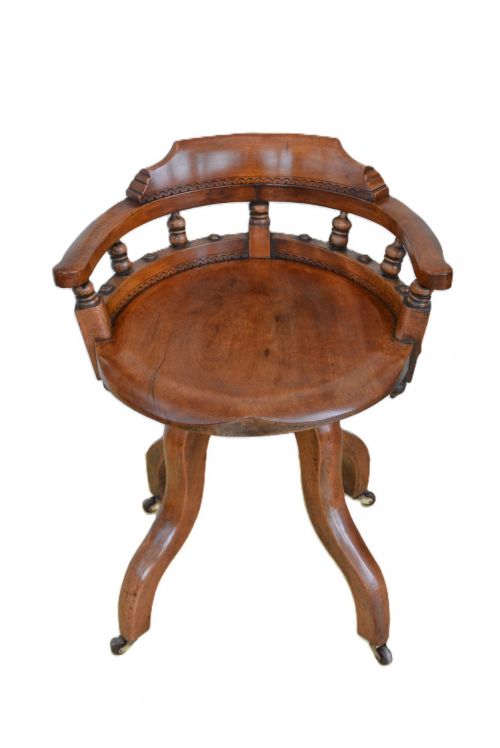
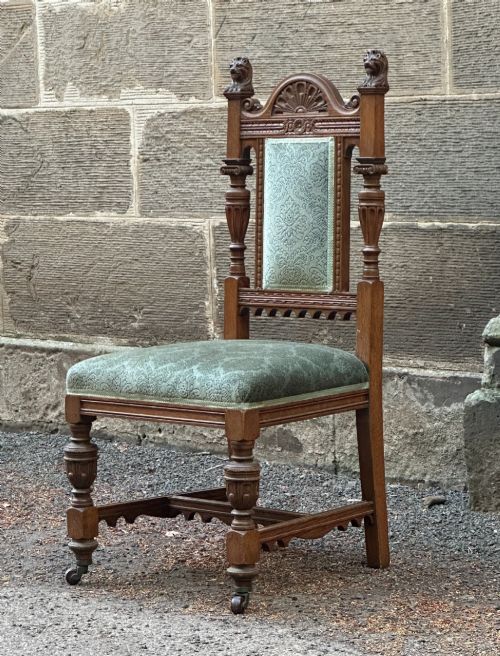
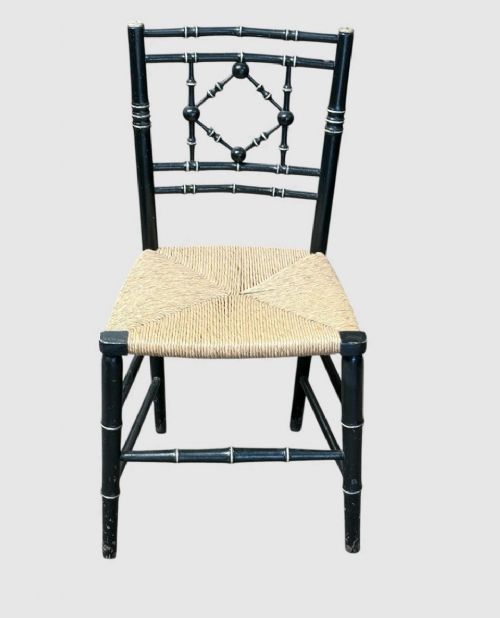
Antique Aesthetic Chair
An antique aesthetic chair brings reform design into a room, offering deliberate lines and restrained ornament that collectors prize for its quiet intelligence.
Antique Aesthetic Chair
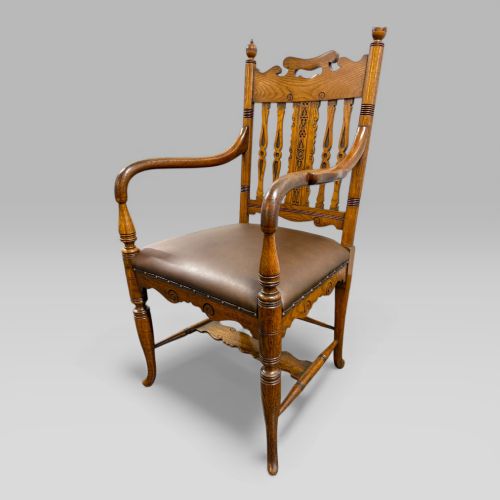
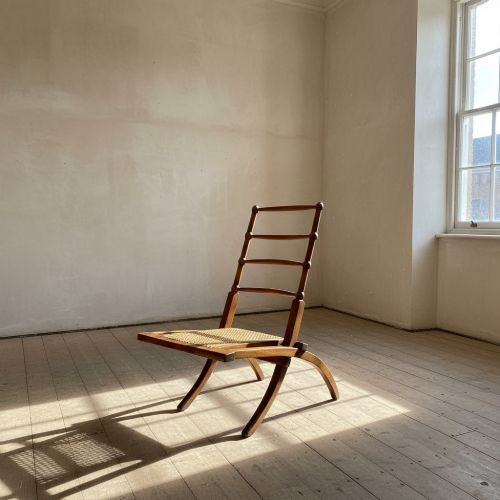
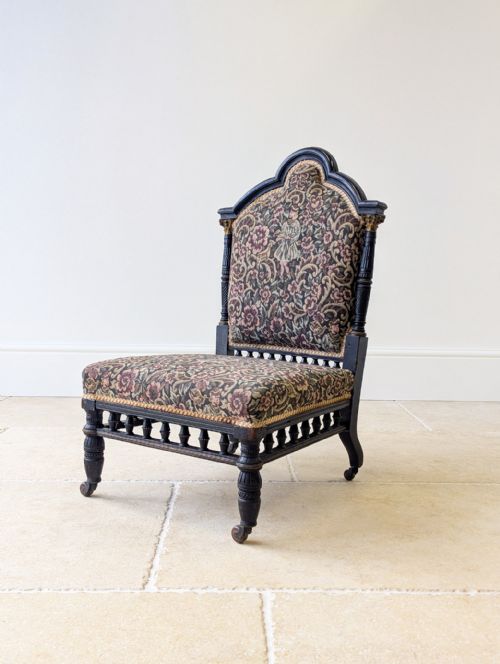
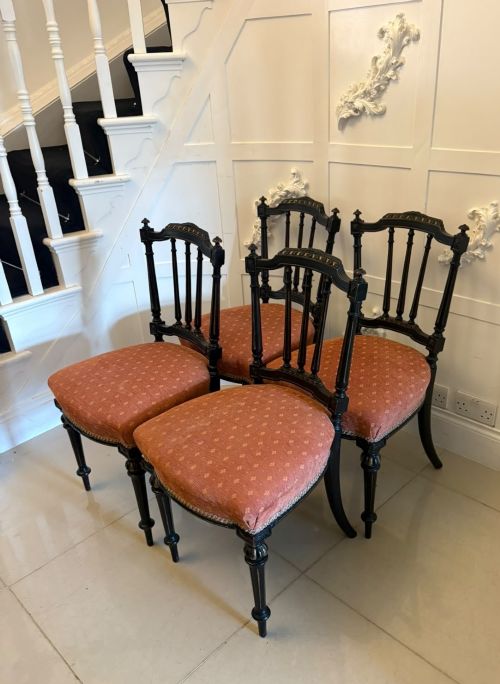
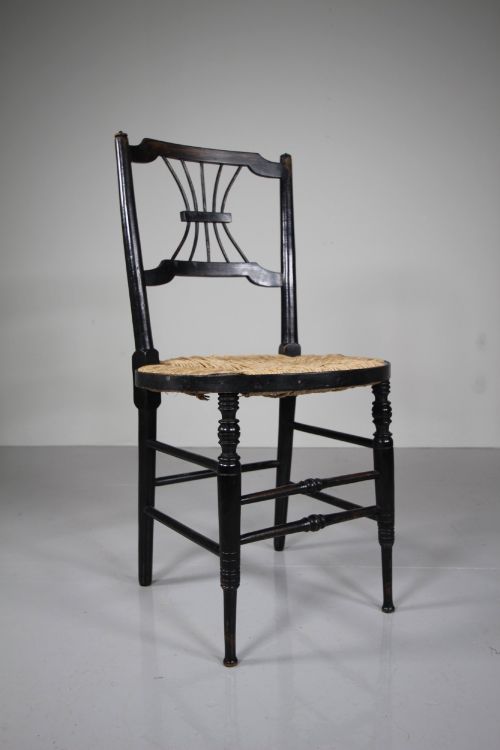
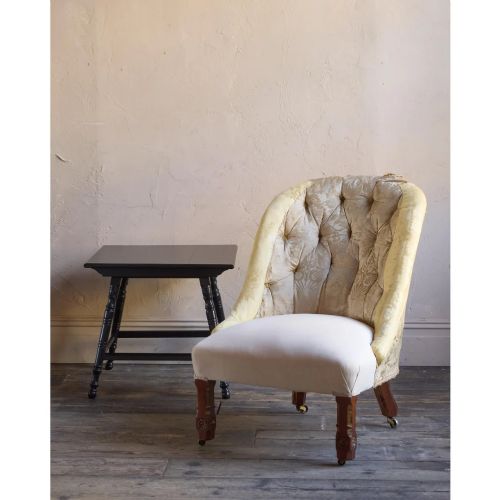
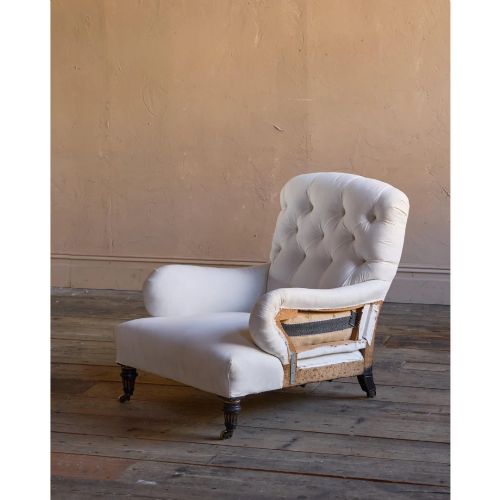
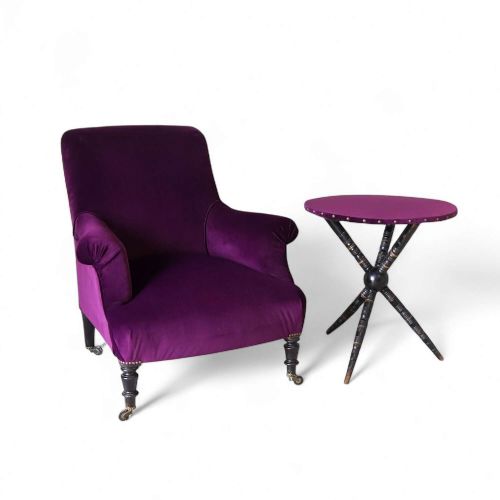
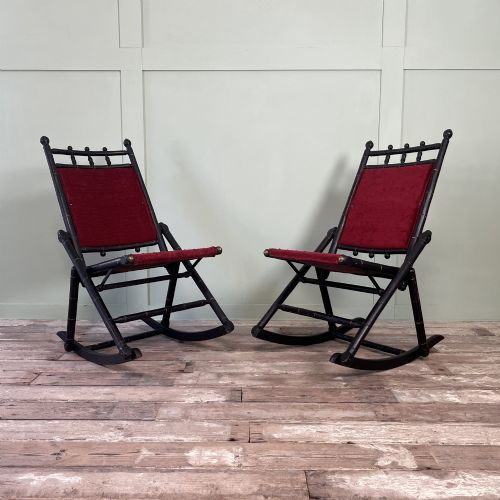
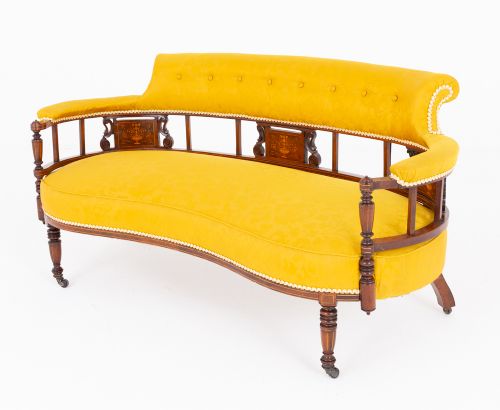
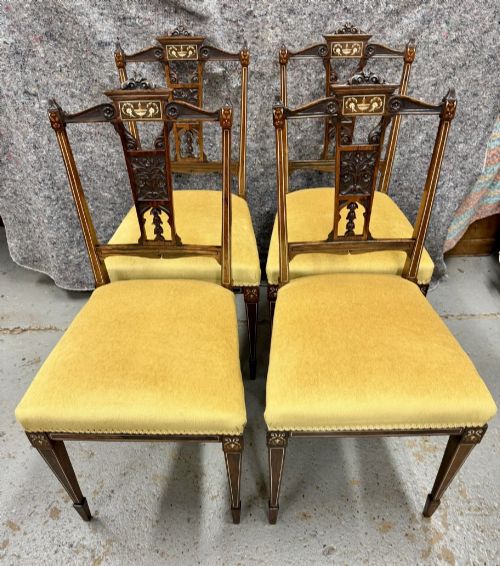
An antique aesthetic chair represents the late nineteenth-century turn toward art for art's sake, breaking away from heavy Victorian clutter in favour of lighter, more linear forms. The pieces span dining chairs, low salon seats, armchairs, and rocking variants created during the Victorian and Edwardian eras.
You will most commonly meet ebonised wood frames with gilt detailing, alongside structural forms in walnut, mahogany, and oak. Many examples on this page reflect the direct influence of reform designers working in the movement's distinct idiom.
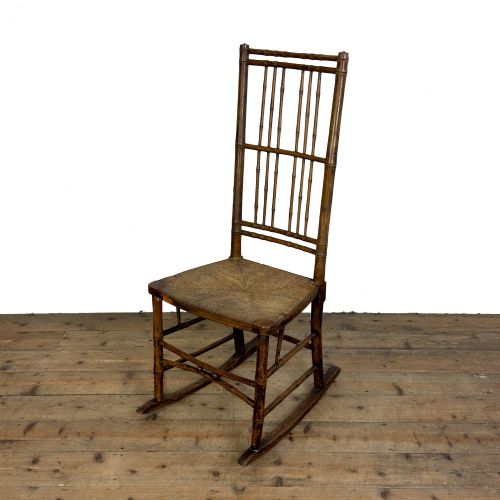
Makers and designers working in this style utilised diverse seating formats, from rush-seated rush models to deep library armchairs. The forms prioritize straightforward utility combined with thoughtful artistic proportion.
How they were made
Makers constructed these frames predominantly from ebonised hardwoods, walnut, mahogany, and oak, often turning specific structural members into faux bamboo. Joinery relied on traditional mortise and tenon methods to maintain stability without heavy ornamentation.
Surface treatments frequently involved ebonising wood to mimic Japanese lacquer, accented with gilding, carved panels, or inlaid details. Seating portions utilised cane, rush, leather, or upholstered pads covered in velvet and plain fabrics.
Antique Aesthetic Chair Retail Price Guide 2026
Typical asking prices for aesthetic chair among the pieces listed under this phrase on Sellingantiques today, from the lower quarter to the upper quarter. They describe what is for sale here now, not the wider market.
Listings feature oak, walnut, mahogany, and ebonised wood frames, alongside rush and cane seating.
What varies in quality
The distinction between standard commercial production and finer work rests on the crispness of the carving, the integrity of the ebonised finish, and the sophistication of the joinery. Workshop attribution to prominent designers elevates the status of a frame.
Material selection plays a significant role, as dense hardwoods and intact original cane or rush indicate higher grade construction. Subtle details like gilt highlights and well-executed turning distinguish superior examples from plain utility seating.
Gillows·James Shoolbred·E.W Godwin·William Morris·Liberty and Co·Lamb of Manchester·Charles Bevan·Maple and Co
The Antique Aesthetic Chair Glossary
- Ebonised
- Wood treated with a chemical stain or black finish to simulate costly ebony. This technique was popular for achieving the dark, flat surfaces characteristic of Japanese-inspired design.
- Faux bamboo
- Turned woodwork carved and painted to resemble natural bamboo stems. It reflects the Victorian fascination with Japanese aesthetic imports.
- Rush
- Dried marsh grass twisted into cords and woven to form flexible, durable chair seats. It provides a lightweight alternative to solid wood or upholstered panels.
- Gilt
- A thin layer of gold leaf applied to portions of a wooden frame to highlight carved details. It provides sharp contrast against dark ebonised surfaces.
- Cane
- Split rattan woven in open mesh patterns to create breathable chair backs and seats. It lightens the visual weight of the timber frame.
Antique Aesthetic Chair: Frequently Asked Questions
What defines an antique aesthetic chair?
These pieces combine reform design principles with simple, linear woodwork, often featuring ebonised surfaces and subtle gilt highlights. They reject heavy Victorian ornamentation in favour of structural clarity inspired by Japanese and Gothic art.
They appear in forms ranging from low salon seating to robust office chairs, reflecting a broader movement towards artistic interiors during the late nineteenth century.
How do I identify the period?
Dating relies on material combinations, turning styles, and construction methods characteristic of the late nineteenth century. Ebonised frames paired with faux bamboo or rush seating point directly to the height of the movement.
Makers' marks or attribution to specific workshops offer further confirmation, alongside structural proportions that favour lightness over heavy Victorian mass.
Are these chairs suitable for daily use?
Most of these pieces function well for daily seating when the frame remains solid and the joints are secure. Solid wood construction and traditional joinery ensure lasting durability in modern rooms.
Care should be taken with delicate elements like original cane panels or gilt surfaces to preserve their condition during everyday domestic life.
How should I care for ebonised wood?
Maintenance requires gentle dusting with a soft, dry cloth to protect the dark finish and any applied gilding. Avoid using harsh chemical polishes that can degrade the ebonised surface over time.
Keeping the chair away from direct sunlight and extreme humidity prevents the timber from drying out and maintains the stability of the original joints.