




Antique Advertising Ceramic
These antique advertising ceramic pieces bring commercial history into domestic interiors with durable earthenware, ironstone, and stoneware bearing historic branding.
Antique Advertising Ceramic
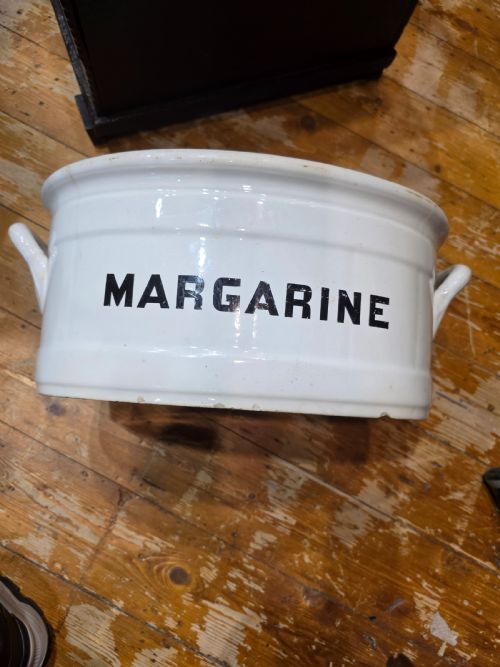
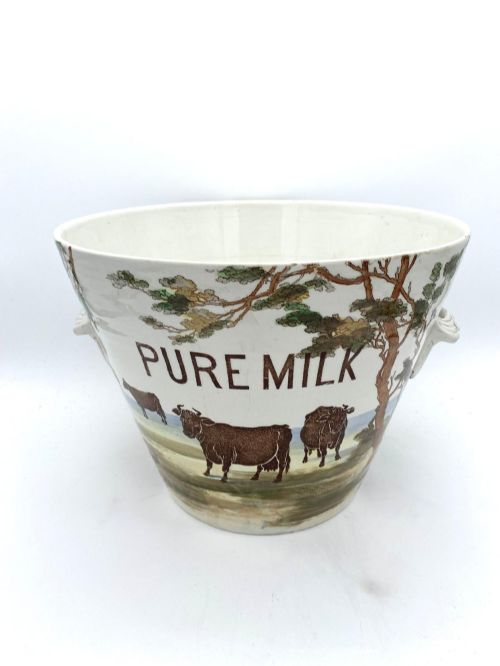
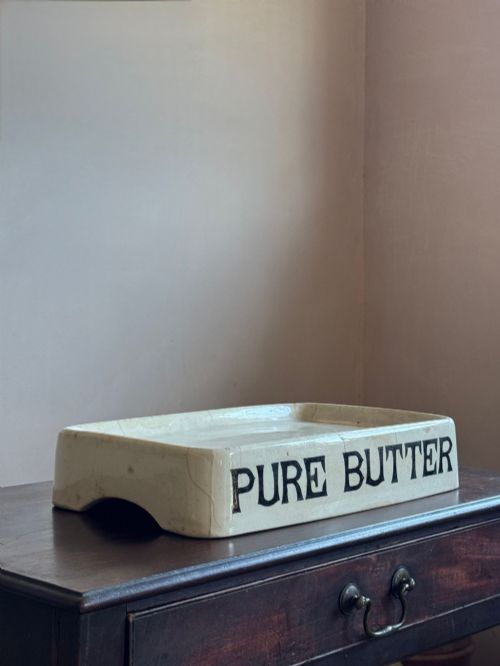
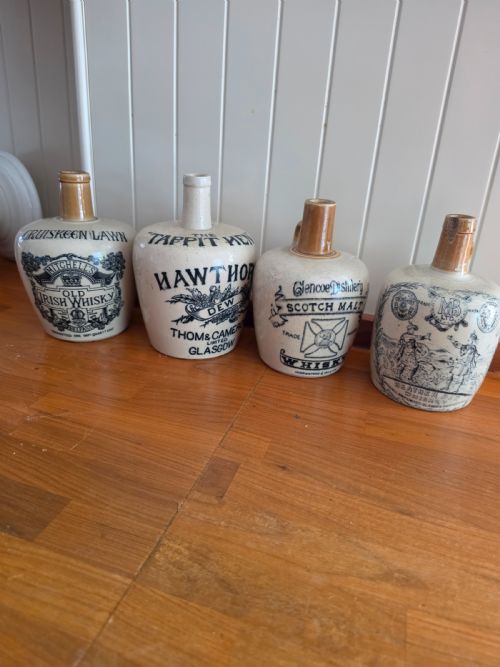
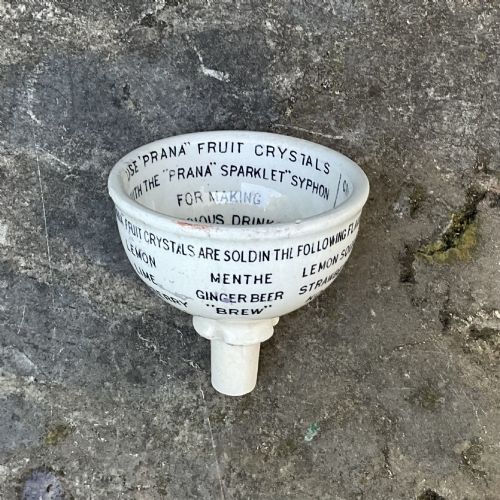
When you search for antique advertising ceramic, you encounter functional shop items and counter displays produced to promote beverages, dairies, and grocers during the Victorian and Edwardian eras. These objects range from heavy milk pails and grocers slabs to match strikers, flasks, and tobacco jars.
The pieces on this page originate predominantly from the nineteenth and early twentieth centuries, spanning periods from the 1880s through to the Edwardian years. They reflect the commercial expansion of the era through utilitarian items that carried brand names into shops, pubs, and homes.
How they were made
Potters utilised durable earthenware, ironstone, and heavy stoneware to withstand daily commercial use in butcher shops, taverns, and dairies. These sturdy ceramic bodies were designed to endure rigorous handling on counters and in shop windows.
Surface decoration frequently involved applied glazes, cobalt blue pigment, and occasionally gold leaf lettering to ensure the brand names remained legible through years of service. Specialised factories like Mintons and Royal Doulton applied these techniques to produce robust commercial wares.
Antique Advertising Ceramic Retail Price Guide 2026
Typical asking prices for advertising ceramic among the pieces listed under this phrase on Sellingantiques today, from the lower quarter to the upper quarter. They describe what is for sale here now, not the wider market.
The listings here feature earthenware, ironstone, and stoneware spanning the Victorian and Edwardian periods.
What varies in quality
The distinction between standard commercial wares and finer presentation pieces lies in the clarity of the lettering, the depth of the glaze, and the sophistication of the modelling. Pieces produced by established potteries often display sharper definition in their transfer-printed or hand-painted brand details.
Condition and originality dictate the standing of individual pieces, particularly where metal mounts, brass taps, or pine components are integrated into the ceramic body. Surviving items that retain their original function and uncompromised surfaces represent the higher end of the range.
Mintons·Minton Hollins·Raphael Tuck and Sons·Royal Doulton
The Antique Advertising Ceramic Glossary
- Ironstone
- A heavy, durable type of earthenware patented in the nineteenth century for commercial and domestic utility. It provides a sturdy white body that resists chipping.
- Stoneware
- A dense, impermeable ceramic fired at high temperatures, frequently used for flasks and jars holding liquids. Its vitrified body requires no glaze to remain watertight.
- Match striker
- A textured ceramic container designed for patrons to ignite safety matches in pubs and commercial premises. They often feature prominent brewery or spirit branding.
- Grocers slab
- A large ceramic tile used on shop counters for displaying perishable goods such as butter. They feature bold black or coloured lettering to advertise the produce.
- Dairy pail
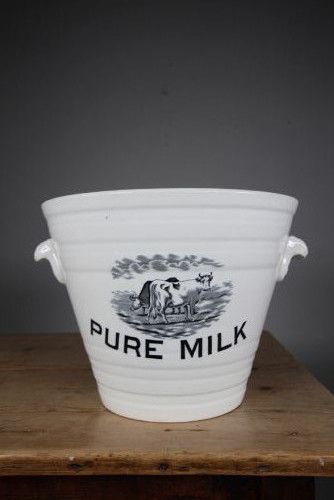
- A utilitarian vessel employed in milk distribution and farm retail, often decorated with pastoral scenes or dairy branding. Ironstone examples were favoured for hygiene.
Antique Advertising Ceramic: Frequently Asked Questions
What were ceramic advertising pieces used for?
These ceramic items served practical functions in Victorian and Edwardian shops, pubs, and dairies while simultaneously promoting specific brands. Grocers, butchers, and publicans utilised them daily for holding products, displaying butter, or striking matches.
Over time, these utilitarian objects transitioned from working commercial environments into decorative collectibles. Their robust construction allowed them to survive decades of heavy handling in trade.
How do I date an antique ceramic advertising piece?
Dating relies on examining the ceramic body, the style of the lettering, and any registered trade marks or maker stamps on the base. Victorian pieces often feature heavy ironstone or stoneware construction with transfer-printed cobalt branding.
Edwardian examples frequently incorporate brighter glazes and stylistic flourishes typical of the early twentieth century. Comparing the specific maker and patent marks helps narrow down the decade of production.
How should I display advertising ceramics at home?
These pieces suit kitchenalia arrangements, open shelving, or dedicated sideboards where their bold typography and historic character remain visible. Placing them away from direct heat sources protects the glaze and any supplementary materials like brass or pine.
Larger items such as milk pails or slabs make strong focal points in rustic or traditional interiors. Smaller objects like match strikers and flasks fit easily onto mantelpieces or display cabinets.
Are converted tobacco jars still collectible?
Converted items, such as tobacco jars transformed into table lamps, represent a common secondary use from the period or subsequent decades. While collectors generally prefer unalterable original forms, quality conversions by notable potteries retain significant decorative appeal.
Evaluating these pieces depends on whether the conversion respects the integrity of the original ceramic body. The presence of factory markings and intact glazes remains paramount.