

Antique Adjustable Lamp
An antique adjustable lamp brings mechanical flexibility and period warmth to a room, offering directed light through telescoping stems and pivoting joints.
Antique Adjustable Lamp
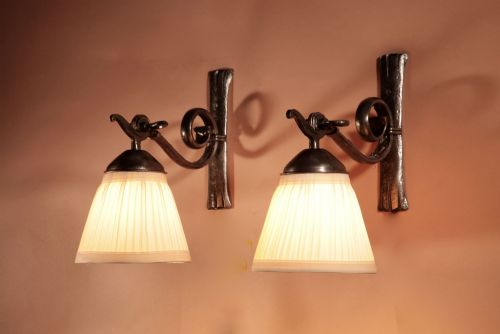
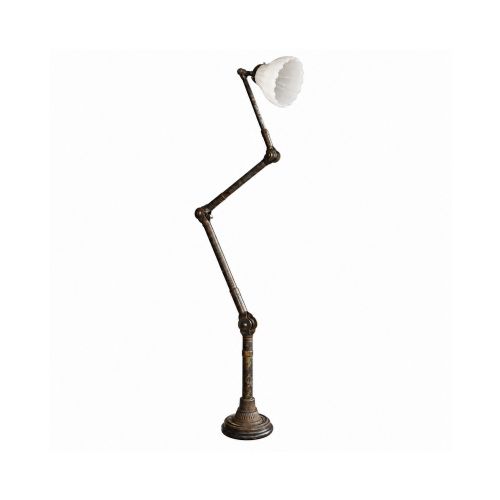
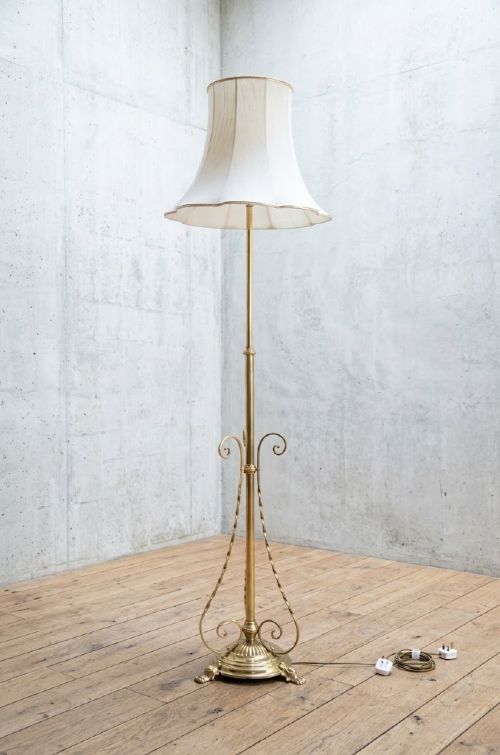
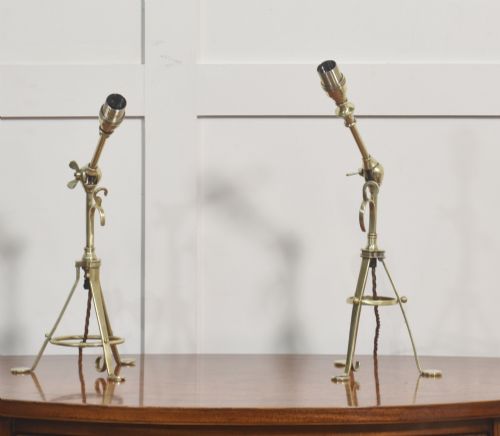
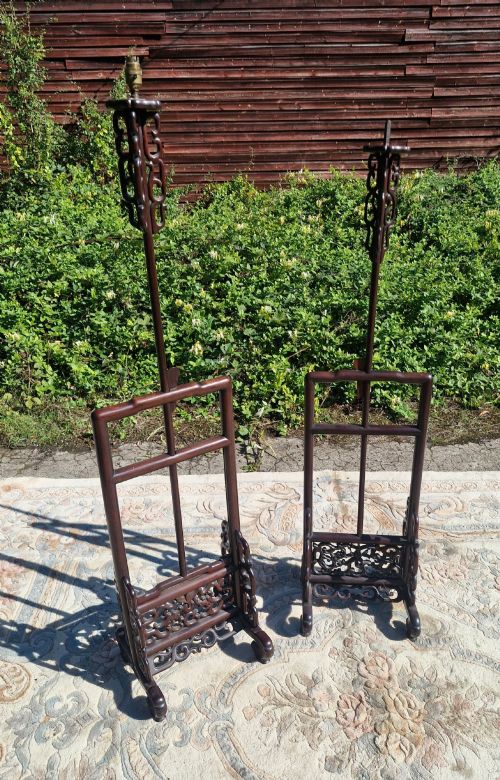
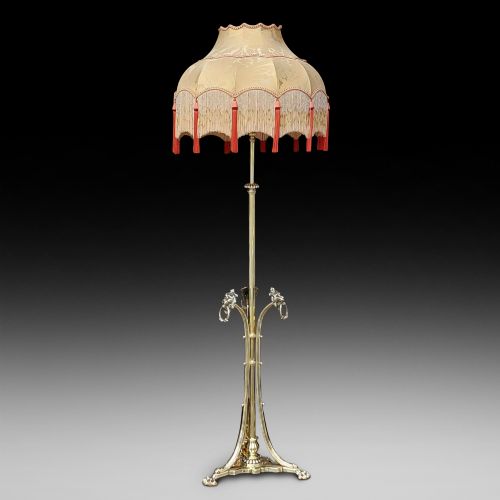
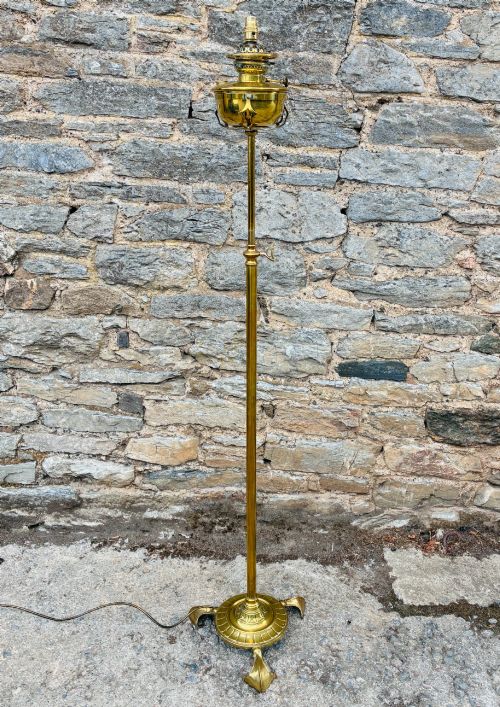
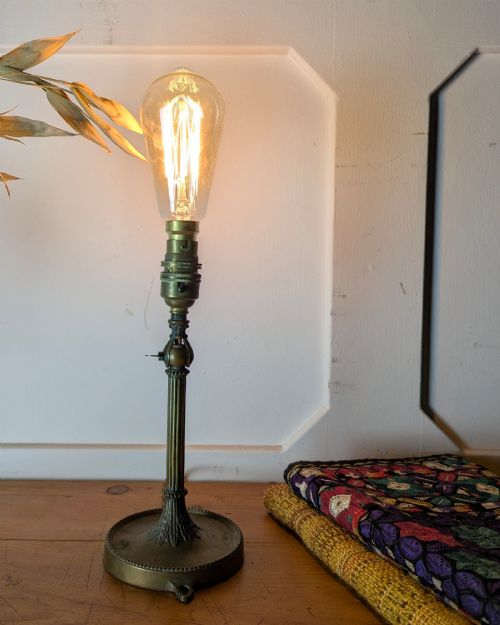
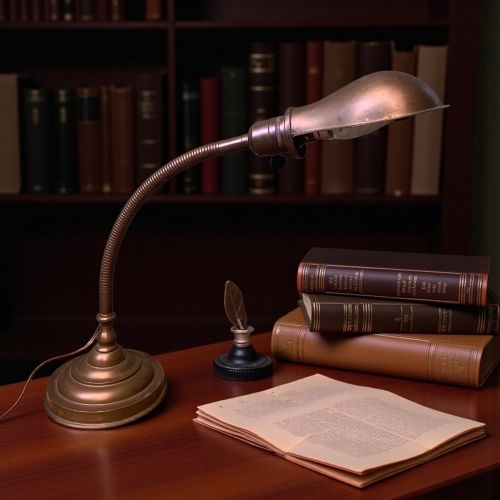
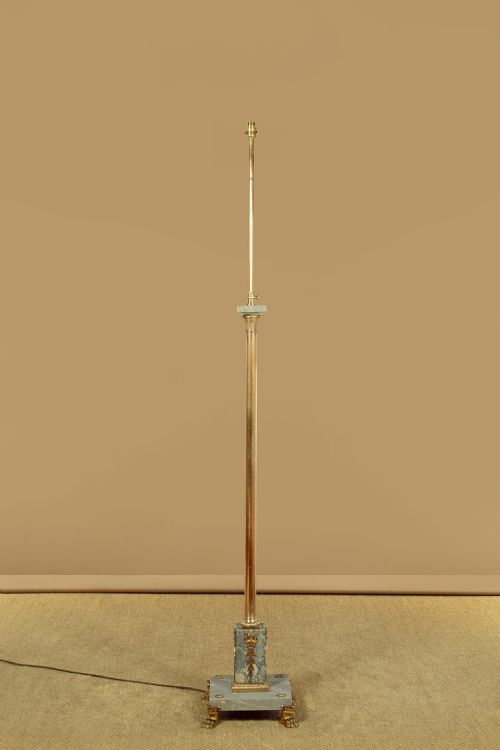
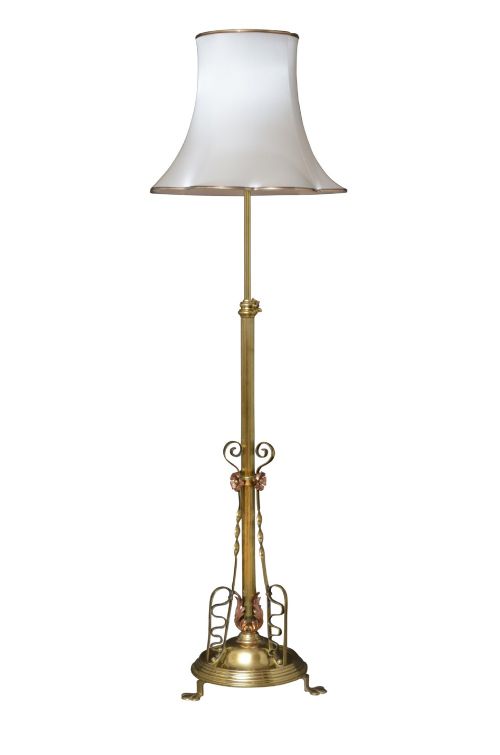
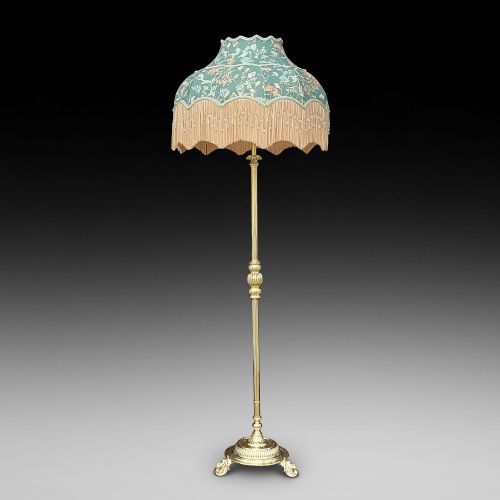
An antique adjustable lamp spans several decades of domestic and workspace lighting, appearing in forms designed to stand on floors, sit on desks, or mount to walls. Buyers encounter standard floor models, heavy student lamps, and articulated desk fixtures rooted in the Victorian, Edwardian, and Art Deco eras.
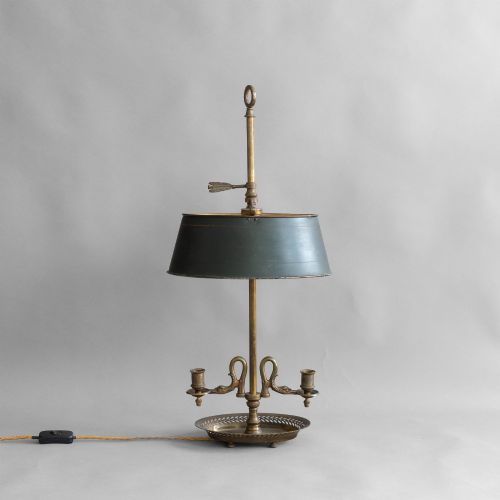
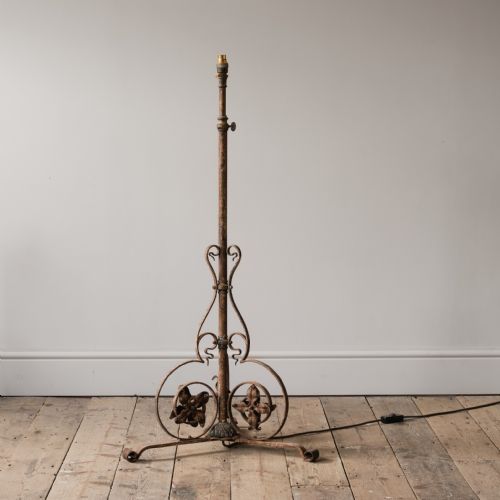
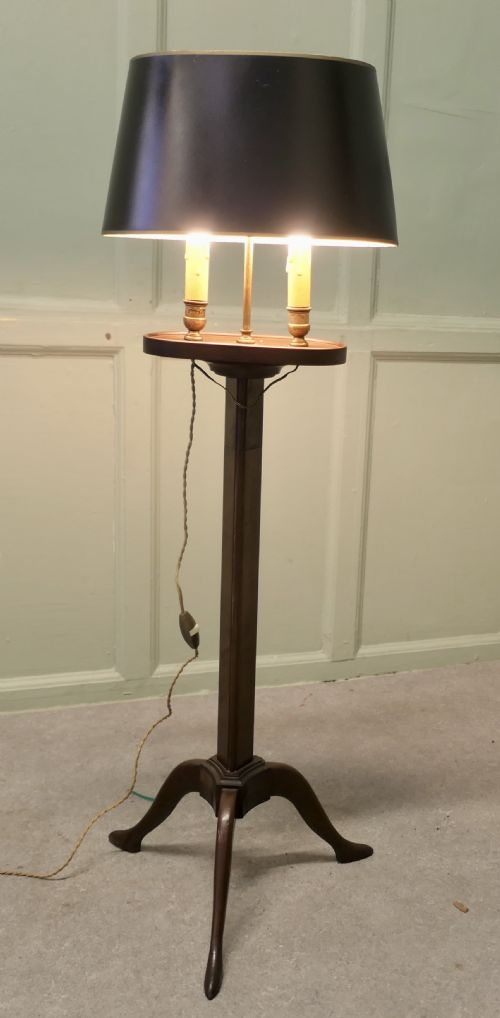
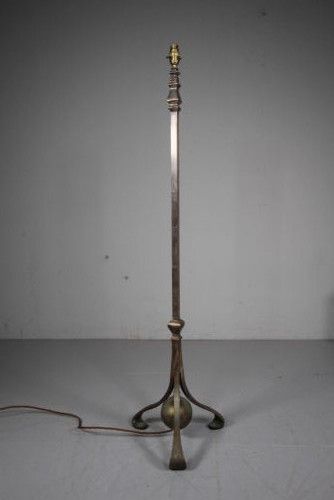
The selection ranges from utilitarian workshop pieces in wrought iron and steel to polished brass reading lights and elaborate bouillotte fixtures. Many examples preserve conversion elements from earlier oil or candle systems to electricity, reflecting how households adapted historical fittings for modern use.
Metals and mechanics in construction
Brass and wrought iron dominate the structural framing, paired with cast iron bases to provide stability for height-adjusting stems and pivoting arms. Makers utilised sliding telescopic tubes, screw keys, and counterweighted rise-and-fall mechanisms to allow fluid movement without losing structural integrity.
Surface finishes include patinated copper, polished silver plate, and painted toleware shades that direct the beam. Joints often incorporate specialised brackets, gimble rings, or swan neck curves cast or hammered by hand.
Antique Adjustable Lamp Retail Price Guide 2026
Typical asking prices for adjustable lamp among the pieces listed under this phrase on Sellingantiques today, from the lower quarter to the upper quarter. They describe what is for sale here now, not the wider market.
Listings feature adjustable lights spanning the nineteenth century through the 1940s, utilising brass, wrought iron, and toleware.
Judging build and mechanical integrity
Quality rests in the precision of the moving parts and the weight of the metal gauge used in the stem and base. Superior examples retain original thumb screws, heavy counterweights, and smooth telescopic action that holds its position without slipping.
Artisanal execution separates standard production items from workshop pieces bearing distinct blacksmith details or named maker output. The presence of original shades, unpolished patination, and intact wiring channels indicates better preservation.
Dugdill Lamp·W.A.S. Benson·M Pillischer of London
The Antique Adjustable Lamp Glossary
- Telescopic
- A design utilising nested tubes that slide inside one another to alter the overall height of the standard lamp. This mechanical feature allows the user to raise or lower the light source smoothly.
- Bouillotte
- A traditional French table lamp featuring a central stem, an adjustable shade, and multiple candle arms. The metal shade moves up and down a central rod to control the spread of illumination.
- Rise and fall
- A counterweighted mechanism suspended from a pulley or arm that adjusts vertical height effortlessly. It remains a hallmark of Edwardian and Art Deco ceiling and wall lighting.
- Gimble
- A pivoting ring mounting that allows a lamp to stay level regardless of the angle of its base. This nautical adaptation appears in transport and specialised task lighting.
- Toleware
- Lacquered or painted metalware used frequently for decorative lamp shades. The finish provides a durable, coloured surface that directs light downward.
Antique Adjustable Lamp: Frequently Asked Questions
How do I operate a telescopic standard lamp?
Telescopic standards rely on an inner sliding tube secured by a thumbscrew or friction collar near the top of the shaft. Loosening the key gently allows the stem to rise or descend to the desired height.
Once positioned, tighten the screw moderately to secure the weight of the upper shaft and shade. Avoid forcing stuck tubes where older metal has bonded over time.
Were these lamps originally electric?
Many Victorian and early twentieth-century examples began life as oil lamps, gas fixtures, or candle holders before conversion to electricity. Conversions often retain original reservoirs, burners, or font galleries adapted to house wiring.
Examine the base and internal channels to understand how previous owners modernised the fittings. Professional rewiring ensures modern safety standards while preserving historical housings.
How do I clean antique brass parts?
Dust brass components regularly with a soft, dry cloth to prevent the accumulation of grime in engraved details or joints. Avoid harsh chemical polishes that strip the natural dark patination accumulated over decades of age.
If cleaning is necessary, use a mild soapy solution on a damp cloth, drying immediately to prevent spotting. Preserving the surface wear maintains the visual character of the metal.
What is a student lamp used for?
Student lamps were designed to provide focused, adjustable illumination for reading, writing, or detailed desk work. Their single or double burner configurations directed strong light downward onto workspaces.
In modern interiors, they function effectively as desk or bedside lamps offering directional adjustment. Their utilitarian origins give them a sturdy, mechanical presence.