

Antique Accent Light
An antique accent light provides illumination while anchoring a room with period character and tactile materials.
Antique Accent Light
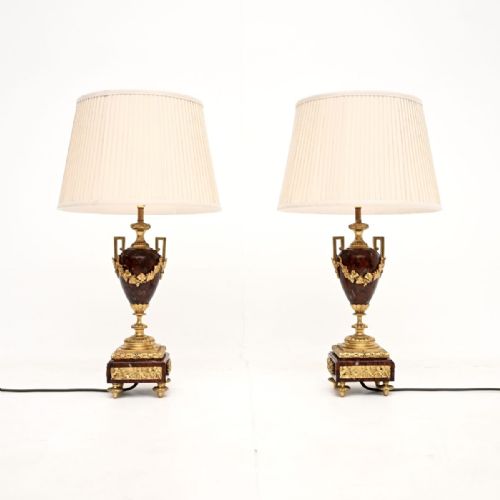
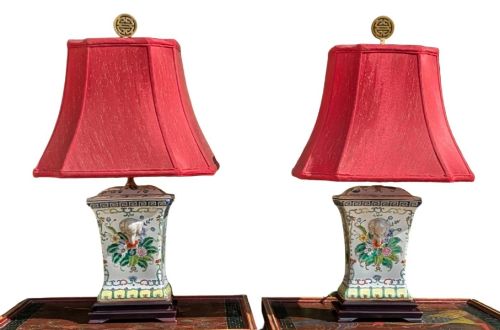
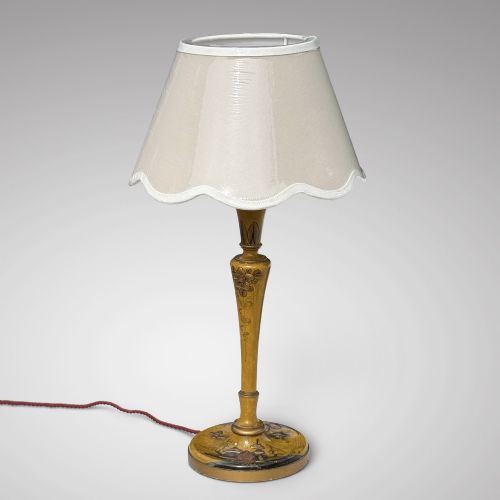
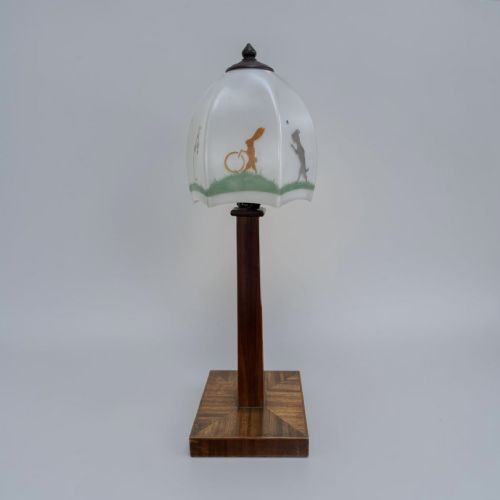
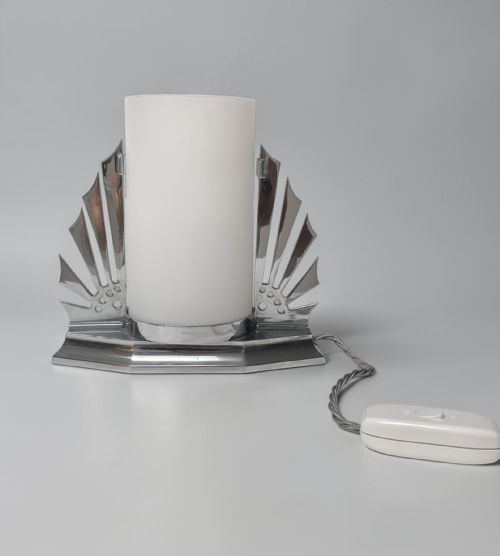
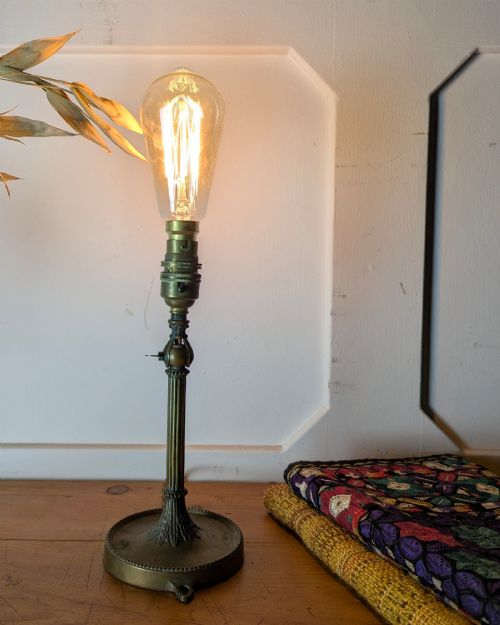
When searching for an antique accent light, buyers encounter a diverse selection of domestic illumination spanning several centuries of design. Table lamps form the core of what is available, frequently rendered in brass, marble, gilt bronze, and glass.
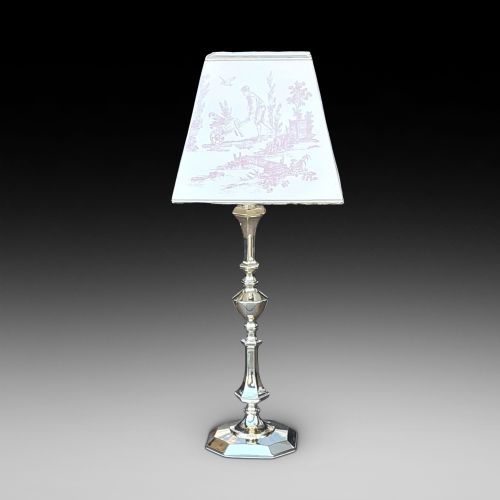
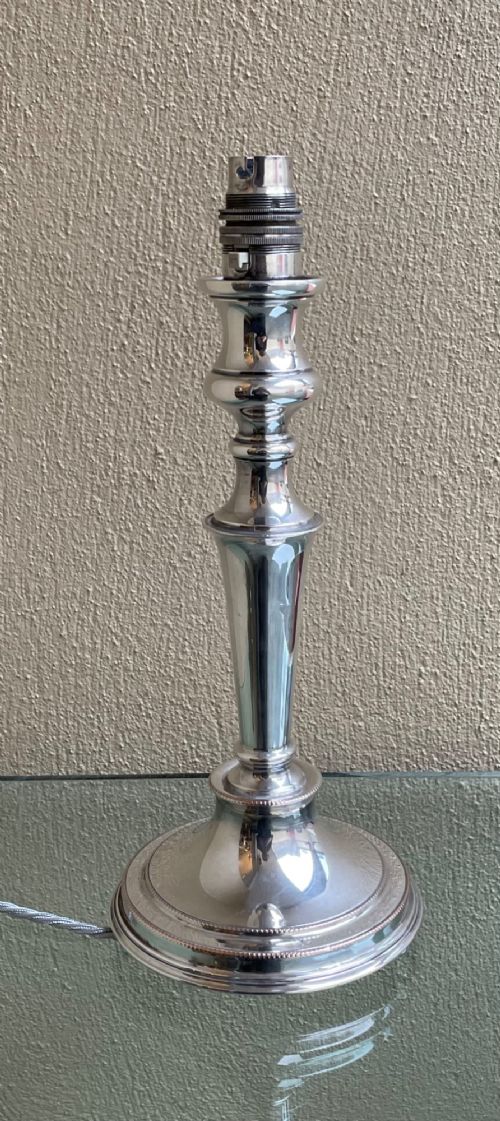
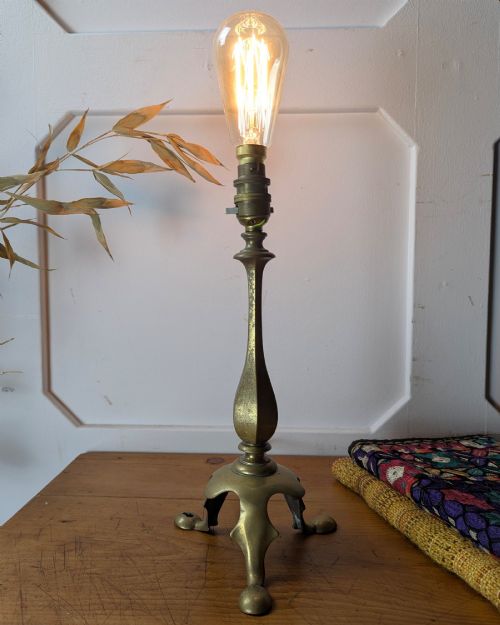
The periods represented stretch from the eighteenth century through the Edwardian era and into the 1920s and 1930s Art Deco movement. Alongside dedicated lamps, conversion pieces such as eighteenth-century brass candlesticks adapted for electricity appear regularly.
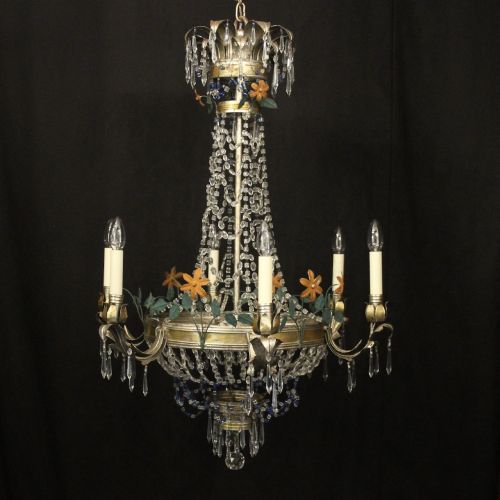
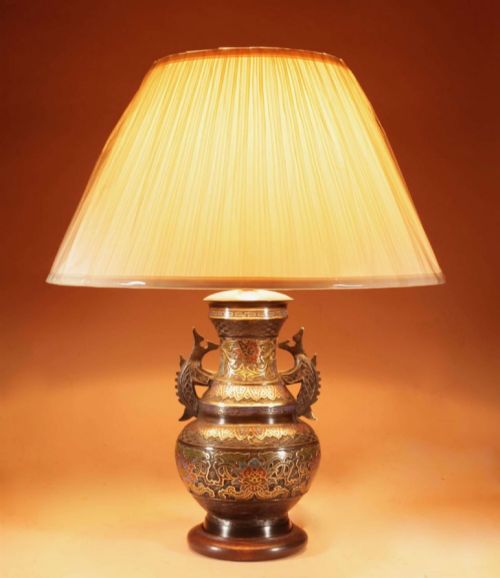
Stylistic influences range widely from Chinoiserie lacquers and Japanese bronze work to neoclassical ormolu and French novelty figures. Table lamps dominate, supported by occasional ceiling lights and wall lamps fulfilling similar accent roles.
How they were made
Metalworking dominates construction, utilising cast brass, patinated bronze, and gilt bronze combined with structural elements of marble, onyx, and carved hardwoods like oak and satin birch. Artisans shaped these components using traditional foundry casting, turning, and hand-chasing techniques.
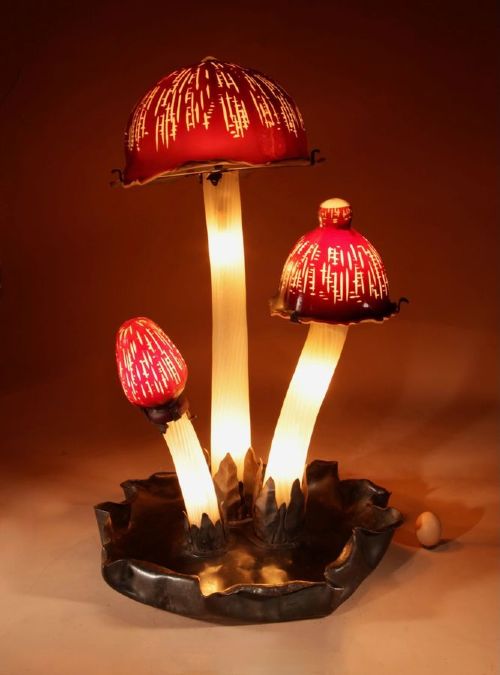
Glass is another primary material, seen in opalescent shades, crystal prisms, and moulded mushroom forms typical of the early twentieth century. Surface decoration often involves hand-painted lacquer, champlevé enamel, or silver plating applied over base metals.
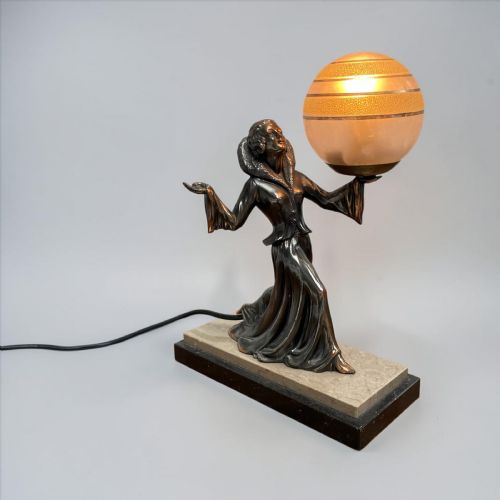
Listings feature table lamps spanning the nineteenth century, the Edwardian era, and the 1920s Art Deco movement.
What varies in quality
Quality reveals itself in the crispness of metal chasing, the weight and purity of stone bases such as marble and alabaster, and the depth of hand-applied finishes like lacquer and gilding. Superior examples display substantial casting thickness and fine detailing that holds the eye.
Makers and regional workshops demonstrate distinct technical competence, from French ormolu mounts to specialised glass production. The harmony between original components, such as matched glass shades and fitted metal bases, distinguishes finer examples.
G. Amodio Naples·Royal Worcester·Lacroix·Lalique
The Antique Accent Light Glossary
- Ormolu
- Gilded bronze used extensively for decorative mounts on nineteenth-century French lamps and urns. It provides a rich golden surface that complements porcelain and marble bodies.
- Champlevé
- An enamelling technique where troughs are carved into metal and filled with vitreous paste before firing. This method creates colourful patterned surfaces on bronze decorative objects.
- Alabaster
- A fine-grained, translucent stone utilised for carved lamp bases and sculptural forms. Its natural veining allows light to diffuse softly through the material.
- Pembroke table
- A small drop-leaf table with hinged flaps on either side, occasionally appearing alongside lighting equipment in period interiors.
- Fiddleback sycamore
- A figured timber featuring a distinctive wavy grain pattern that reflects light like silk. It is prized in eighteenth-century furniture construction for its rich texture.
Antique Accent Light: Frequently Asked Questions
What is an antique accent light?
An antique accent light is a decorative luminaire designed to provide localized illumination rather than general room lighting. These pieces rely on period materials such as brass, bronze, and glass to introduce atmosphere and texture into an interior.
Items matching this description include table lamps, wall brackets, and converted candlesticks dating from the eighteenth century to the Art Deco period. Each piece reflects the decorative priorities of its original era.
How do I choose the right period?
Choosing a period depends on the existing design scheme of your room, as styles range from ornate nineteenth-century neoclassical bronzes to streamlined 1930s Art Deco glass designs. Matching the aesthetic of the lamp to your furniture creates a cohesive interior.
Consider whether you want the warm formality of gilt bronze and marble or the clean geometric lines of early twentieth-century metalwork. The diverse range of available styles accommodates both traditional and modern spaces.
Were these lamps electrified originally?
Many of the earlier pieces listed under this category were not manufactured with electricity in mind. Candlesticks, oil lamps, and vases were frequently converted to electric table lamps during subsequent decades.
This adaptation process preserves the decorative value of antique vessels and metalwork while allowing them to function safely in contemporary homes. Converted items maintain their historical integrity through their original bodies and mounts.
How should I care for antique metal and glass?
Care requires gentle dusting with a soft, dry cloth to prevent the accumulation of grime on delicate surfaces. Avoid abrasive cleaners or chemical polishes that can strip patination from brass, bronze, or silver-plated components.
Glass shades and crystal elements benefit from occasional cleaning with mild soapy water, ensuring they are dried thoroughly before reassembly. Treating the materials with respect preserves their historical finish and structural stability.