
Antique Accent Drawers
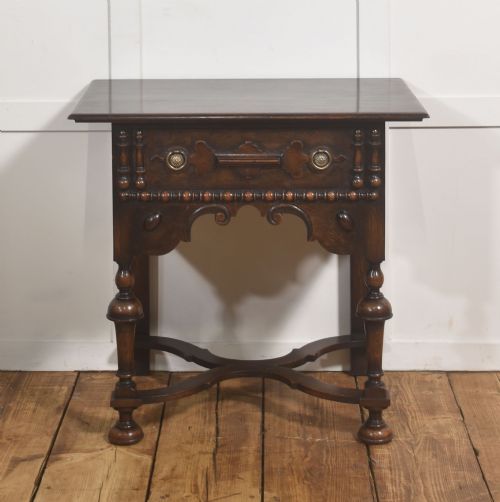
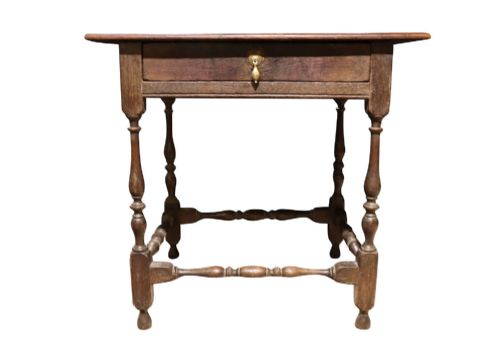
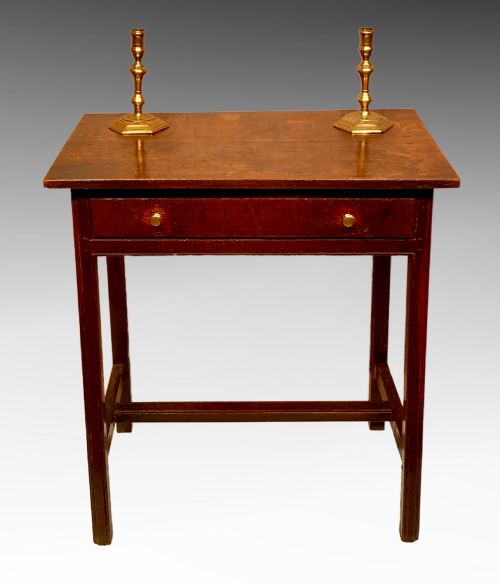
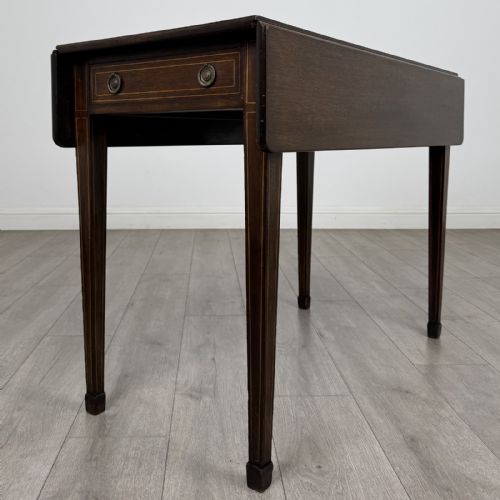
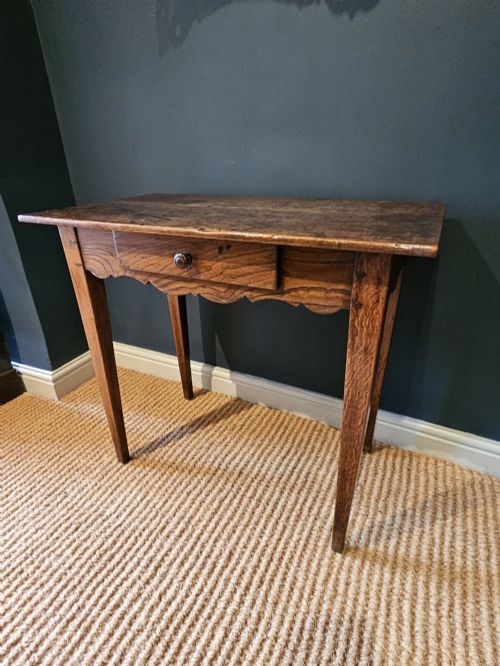
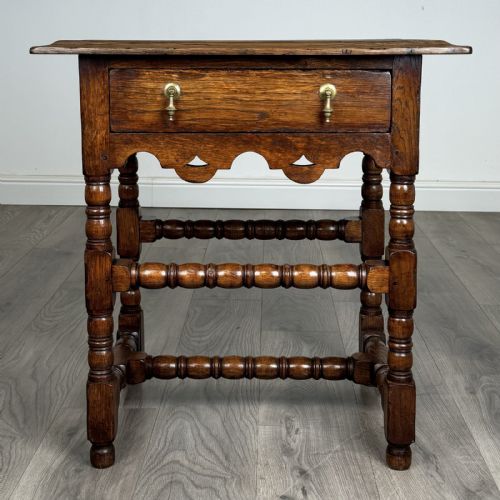
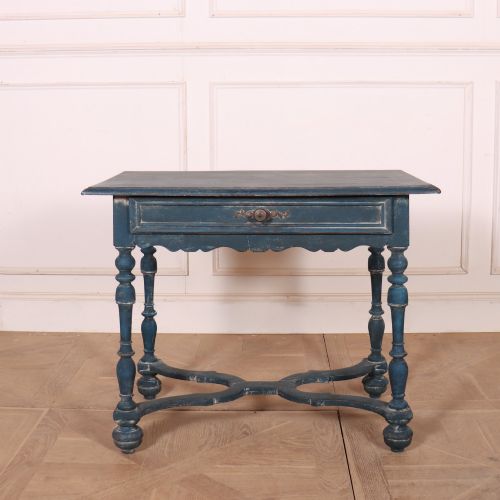
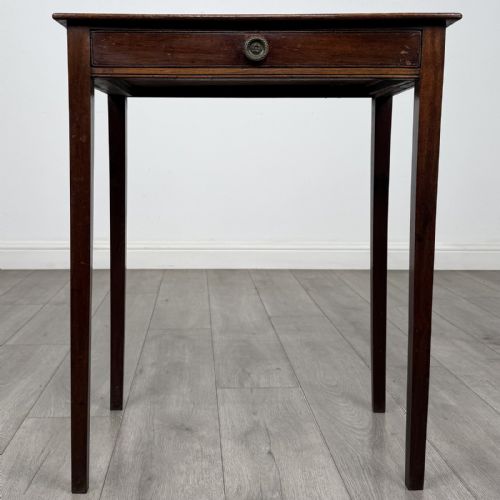
These antique accent drawers arrive primarily as side tables, lowboys and compact cabinets designed to introduce period character and storage into smaller spaces.
Antique Accent Drawers
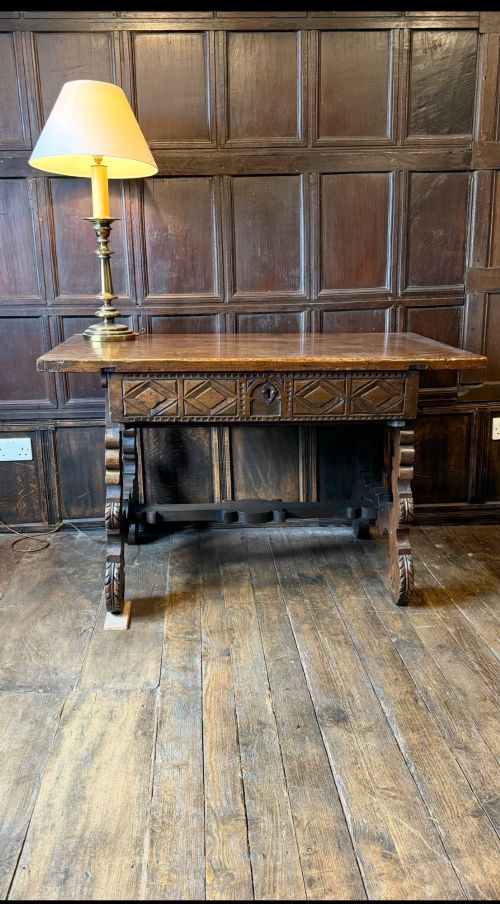
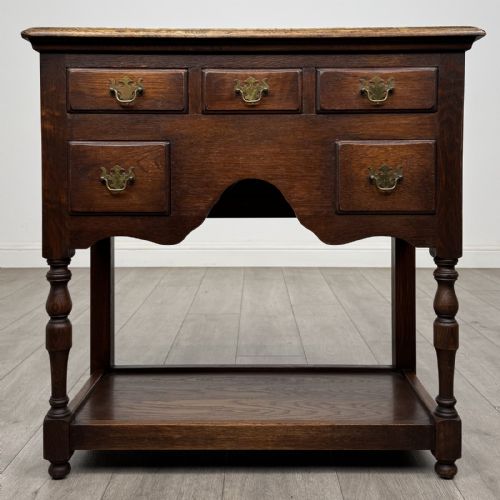
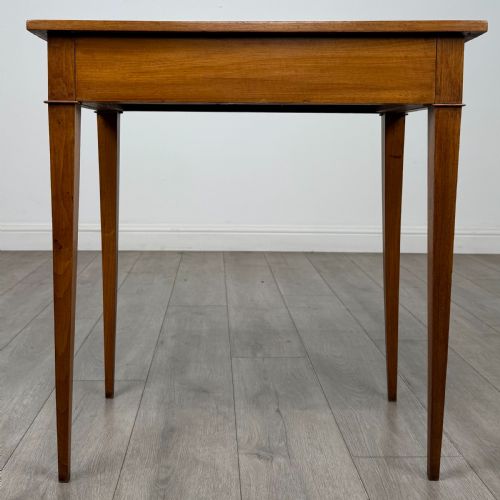
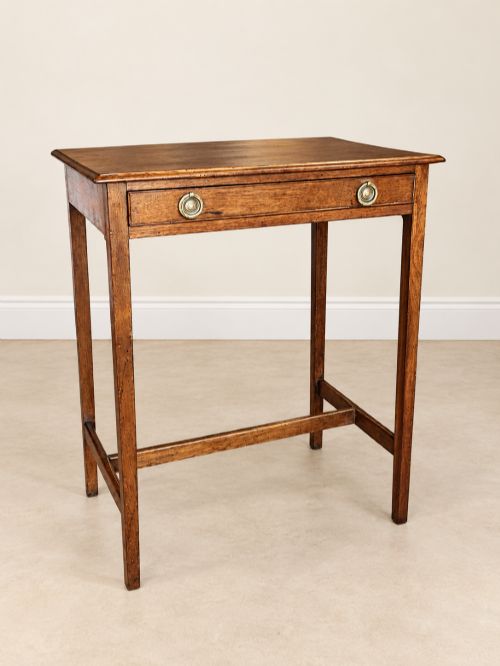
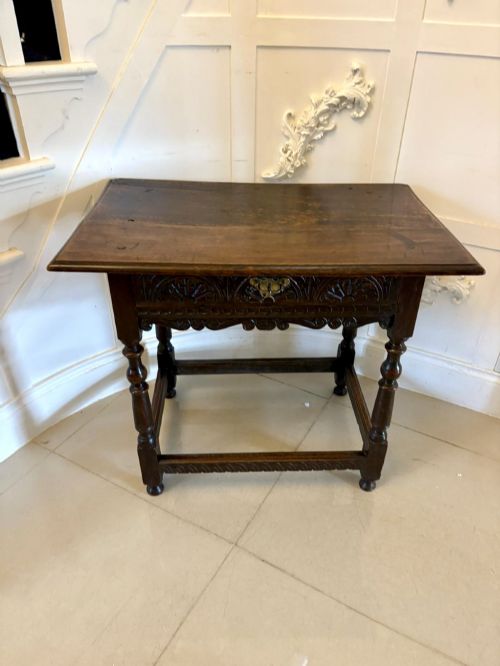
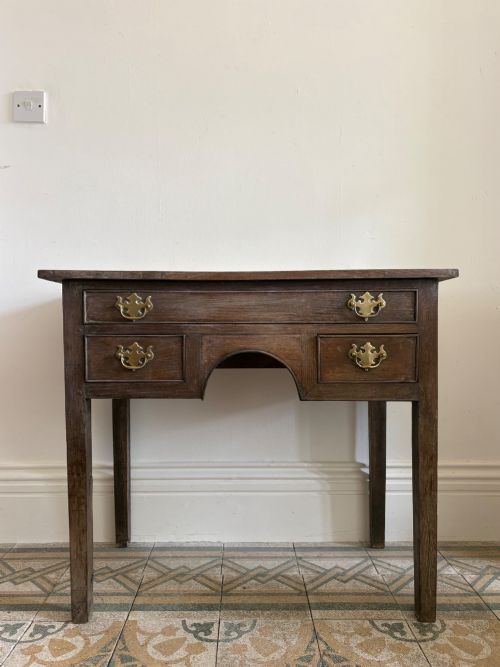
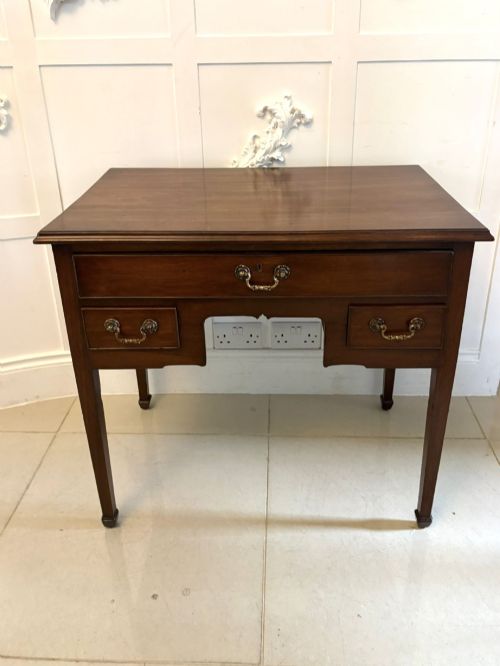
When buyers search for antique accent drawers, they encounter a diverse selection of small tables and cabinets incorporating functional storage. The pieces listed span multiple centuries, ranging from seventeenth-century oak examples to Edwardian reinterpretations.
The predominant forms appearing in this category are side tables, lamp tables and lowboys equipped with single or multiple drawers. Originating from Georgian, Victorian and earlier periods, these items serve practical purposes while displaying traditional craftsmanship.
How they were made
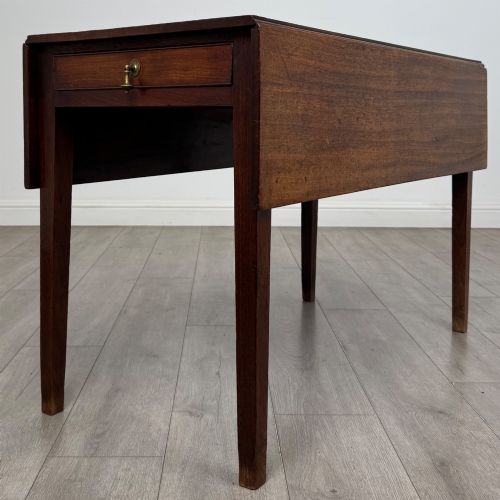
Construction relies heavily on native timbers such as oak, mahogany, walnut, elm and pine, often shaped into drop-leaf, Pembroke or pedestal formats. Joinery techniques reflect the period of origin, utilising traditional joints alongside turned legs, cabriole supports or spade feet.
Surface finishes vary from polished mahogany and figured walnut to painted treatments, scumble finishes and dry oak surfaces. Brass hardware, hidden compartments and inlaid details frequently complement the primary wood construction.
Object types recorded across the inventory include side tables, whatnot units, writing tables and bedside cabinets.
What varies in quality
Distinction between examples rests upon the integrity of the timber, the subtlety of carved or turned details and the preservation of original surfaces. Pieces retaining dry timber finishes or period brassware demonstrate superior preservation compared to heavily altered items.
Proportions and structural balance further differentiate the selection, where well-executed cabriole legs, crisp mouldings and precise drawer construction elevate certain tables above standard utility furniture.
The Antique Accent Drawers Glossary
- Lowboy
- A small table with one or more drawers, typically standing on tall legs and originating in the eighteenth century. These low-standing tables often served as dressing or side tables in period homes.
- Pembroke table
- A small form of table featuring hinged drop leaves on either side, introduced during the eighteenth century. Such tables offer adaptable surface space suited to occasional use.
- Scumble
- A decorative painting technique used to create artificial wood grain or mottled patterns on furniture surfaces. This method appears on specific Victorian pieces to imitate more costly timbers.
- Cabriole leg
- A furniture leg that curves outward in a convex shape and tapers inward in a concave arc ending in a foot. This design became prominent during the eighteenth century and later revival periods.
- Frieze
- The horizontal section of a cabinet or table situated immediately below the top surface. Drawers are frequently integrated into this structural band.
Antique Accent Drawers: Frequently Asked Questions
How do I identify a Georgian side table?
Georgian tables typically display characteristic timber choices such as mahogany or oak, paired with period-appropriate hardware like brass drop handles. Look for structural elements such as square legs, pad feet or spade feet depending on the exact decade.
Proportions during this era tended to prioritize functional elegance and balanced symmetry over heavy ornamentation.
What is the difference between a lowboy and a side table?
A lowboy is specifically a small table featuring one or more rows of drawers within the frieze, standing on relatively tall legs. Traditional side tables encompass a broader category that includes drop-leaf Pembroke tables and pedestal lamp tables without mandatory drawer storage.
Both forms served utilitarian functions in historical domestic interiors.
How do I care for antique wood surfaces?
Maintain timber surfaces by applying quality beeswax periodically and avoiding placement near direct heat sources or strong sunlight. Gentle dusting with a dry cloth prevents the accumulation of particulate matter without risking the finish.
Protecting the original polish or dry surface preserves the character and historical integrity of the piece.