

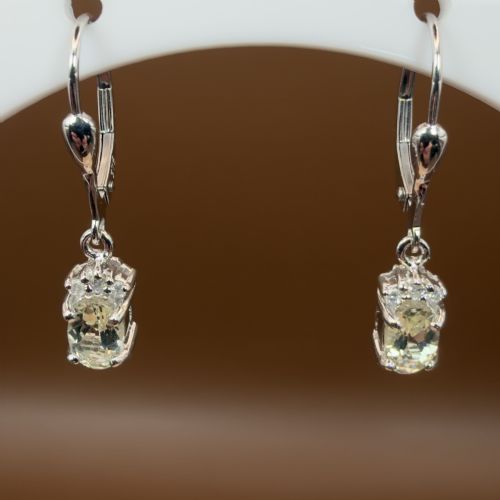
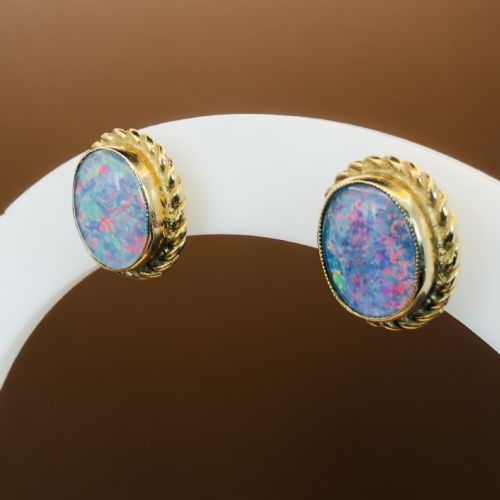
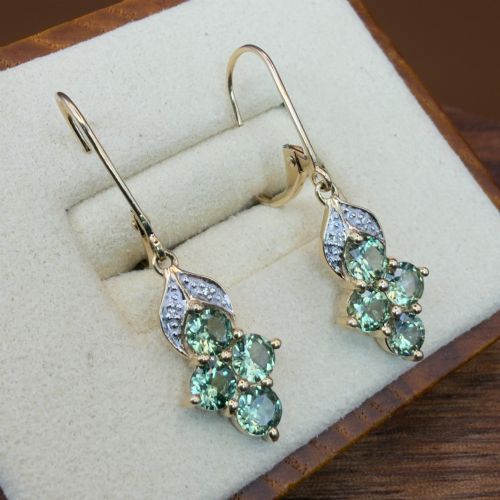
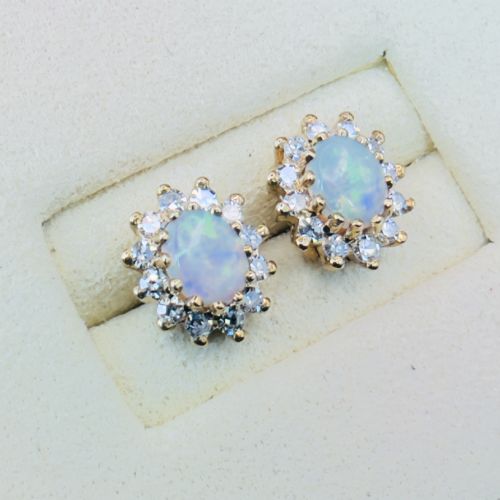
Antique 9ct Earrings
These antique 9ct earrings combine lasting goldsmithing with coloured stones, offering wearable history that suits daily use.
Antique 9ct Earrings
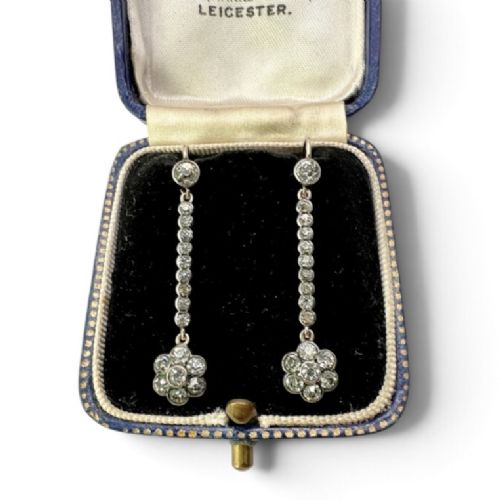
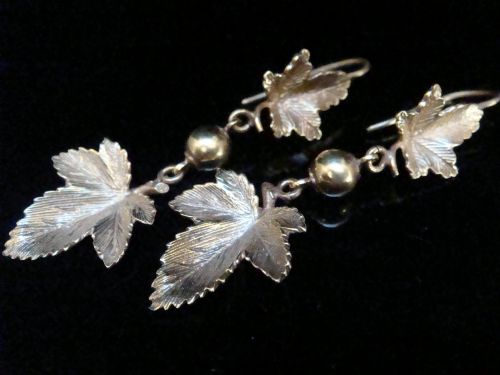
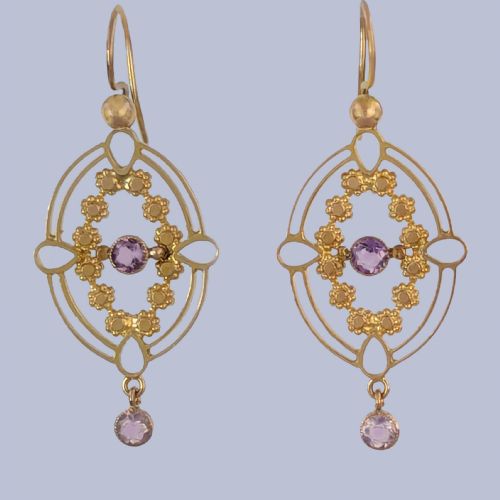
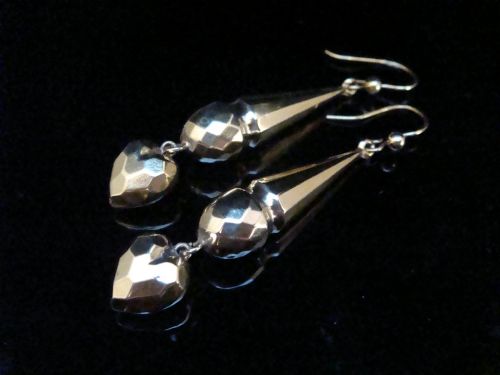
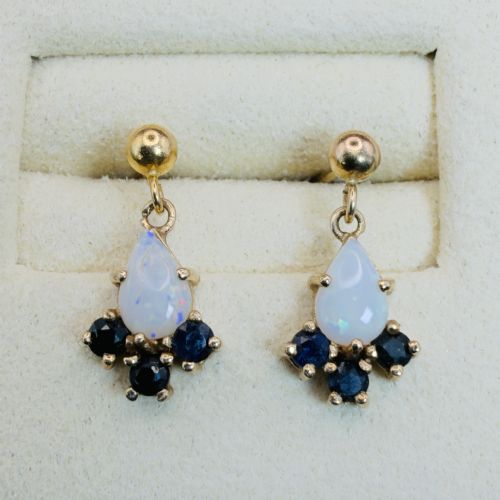
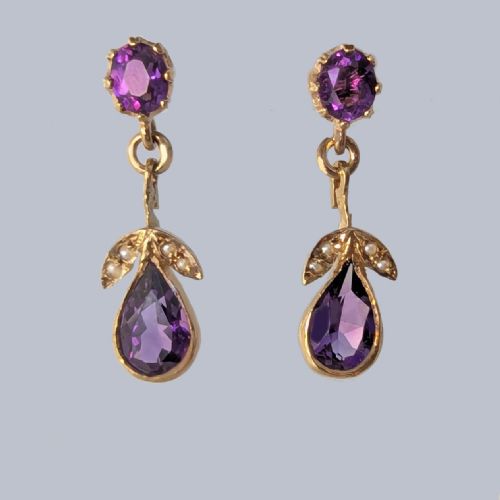
When someone searches for antique 9ct earrings, they encounter a diverse selection spanning the Victorian era through the mid-twentieth century. The material record demonstrates enduring popularity for drop earrings, studs, and chain designs fashioned from nine-carat gold. Pieces range from floral Edwardian openwork to structured Art Deco forms and vintage mid-century clusters.
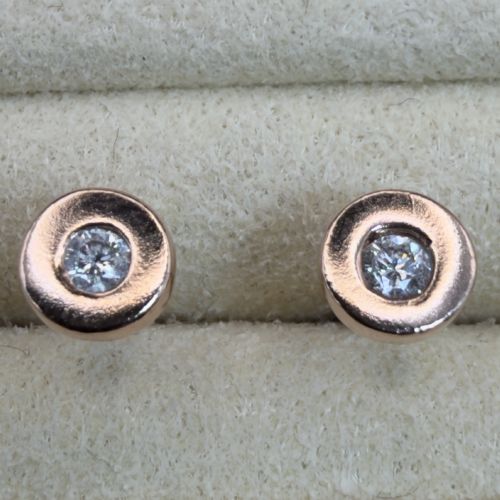
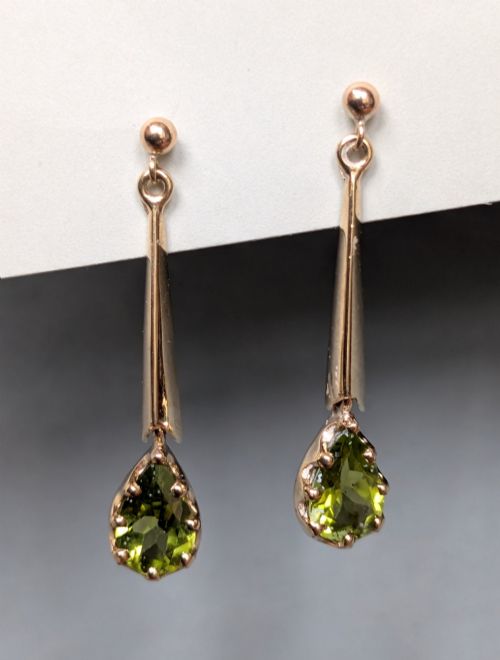
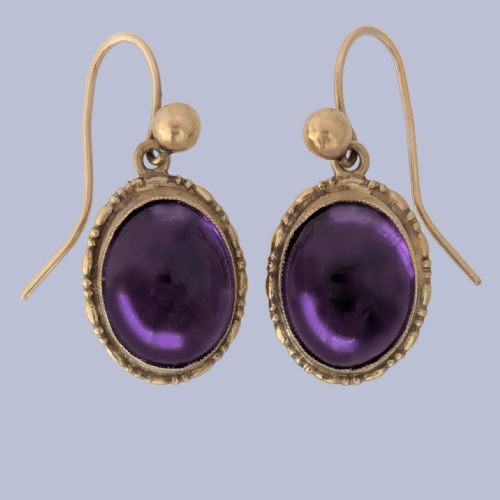
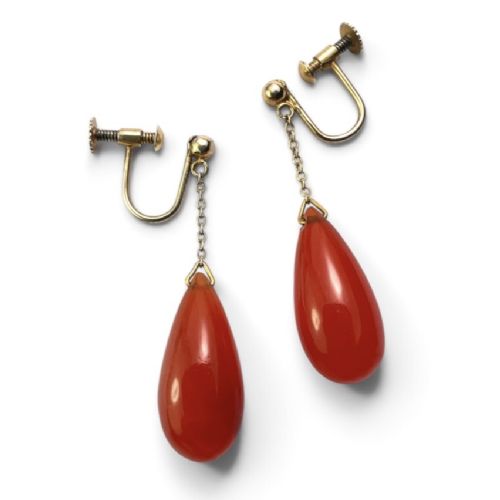
Buyers most frequently meet Edwardian and Victorian iterations, alongside mid-century interpretations that emulate earlier aesthetics. Common configurations include shepherd's hooks, screw-on fittings, and hinged lever backs holding stones such as amethyst, garnet, and pearl. These items reflect the domestic jeweller's art across multiple decades of British and European production.
How they were made
Goldsmiths utilised nine-carat yellow and rose gold to construct secure settings for both faceted gemstones and organic materials like coral, amber, and Whitby jet. Metalwork techniques combined stamped components with hand-assembled wirework, chain links, and detailed filigree.
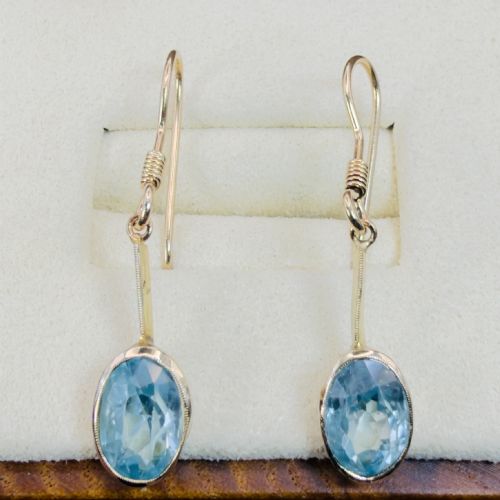
Stones were secured using traditional collet settings, claw mounts, or bezel wraps, often complemented by seed pearls or delicate tassels. Fastening mechanisms varied by period, incorporating early screw-back clips, hinged lever backs, and standard wire hooks.
Antique 9ct Earrings Retail Price Guide 2026
Typical asking prices for 9ct earrings among the pieces listed under this phrase on Sellingantiques today, from the lower quarter to the upper quarter. They describe what is for sale here now, not the wider market.
Listings span eight distinct periods from 1880 through the 1960s, uniting Victorian revival work with mid-century styles.
What varies in quality
The degree of hand-finishing and intricacy in the metalwork largely separates standard examples from finer specimens. Pierced openwork, delicate filigree, and well-matched natural stones require greater bench skill than simpler stamped production.
Preservation of original fittings and the clarity of hallmarks also influence the character of each piece. Superior items maintain robust hinges, secure clasps, and stones bedded firmly within their original mounts.
The Antique 9ct Earrings Glossary
- 9ct Gold
- An alloy containing thirty-seven point five percent pure gold, balanced with other metals to provide durability for daily wear.
- Openwork
- Metal design featuring pierced or cut-out patterns that create lightweight, lace-like structures in the frame.
- Shepherd's Hook
- A curved wire fastening that slips through the pierced earlobe without requiring a separate closing mechanism.
- Day-to-Night Earrings
- Transformable jewellery designed with detachable lower drops to shift from simple daytime studs to elaborate evening wear.
- Filigree
- Delicate wirework soldered into intricate decorative patterns, common in Edwardian and Victorian goldsmithing.
Antique 9ct Earrings: Frequently Asked Questions
How do I care for antique 9ct earrings?
Clean these pieces gently using a soft cloth and warm soapy water, avoiding harsh chemical dips that damage organic gems like pearls and amber. Store them individually in lined boxes to prevent scratches on softer stones and delicate chain links.
Check the security of screw-back mechanisms and wire hooks periodically to ensure safe wear. Professional inspection of stone settings helps prevent the loss of historic gems.
Can I wear them with unpierced ears?
Many historical designs accommodate unpierced lobes through specialised screw-back or clip-on mechanisms developed during the Victorian and mid-century periods. These findings use adjustable screws or hinged pads to secure the piece comfortably without piercing.
Conversion of hook earrings to clip-on fittings is possible, though collectors generally prefer retaining original fasteners. Checking the listing description confirms whether a pair utilises hooks, screws, or posts.
How do I identify the period?
Dating relies on a combination of fastener types, metal colour, gemstone cuts, and official hallmarks stamped on the gold. Victorian and Edwardian examples often feature hand-cut stones, organic motifs, and rosy gold hues, while later mid-century pieces display cleaner geometric lines.
Design vocabulary provides further clues, such as the characteristic floral openwork of the Edwardian era or the structured geometry of Art Deco styles. Comparing specific drop lengths and setting techniques against dated benchmarks clarifies the timeline.
Are they suitable for everyday wear?
Nine-carat gold offers higher durability than higher-karat alloys due to its alloy composition, making these pieces robust enough for regular use. Solid construction in Edwardian and Victorian drops supports sensible daily rotation.
Care is required with softer organic materials such as pearls, coral, and amber, which demand protection from cosmetics and moisture. Removing earrings before sleeping or swimming preserves both the metalwork and the gemstone settings.