

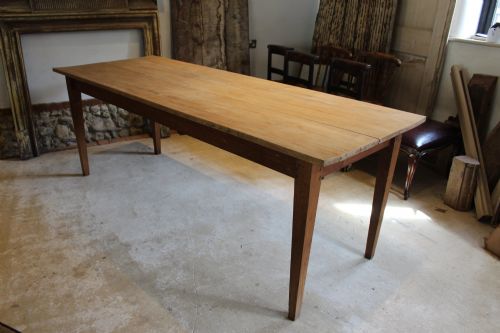


Antique 8 Seater Table
An antique 8 seater table provides generous dining space rooted in Georgian, Victorian, or Edwardian craft, chosen for daily gatherings and lasting utility.
Antique 8 Seater Table
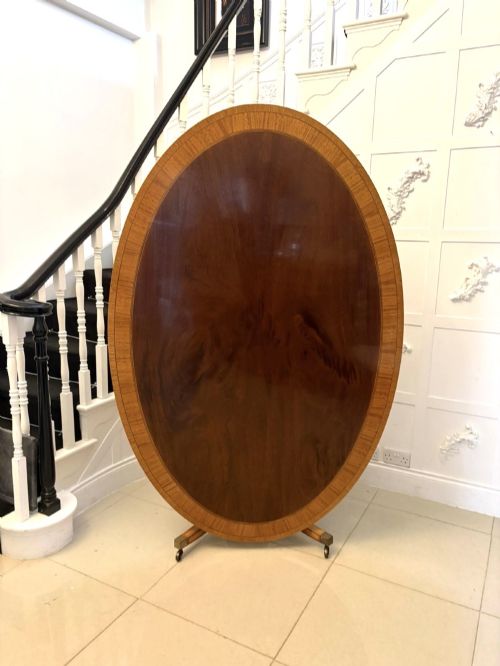
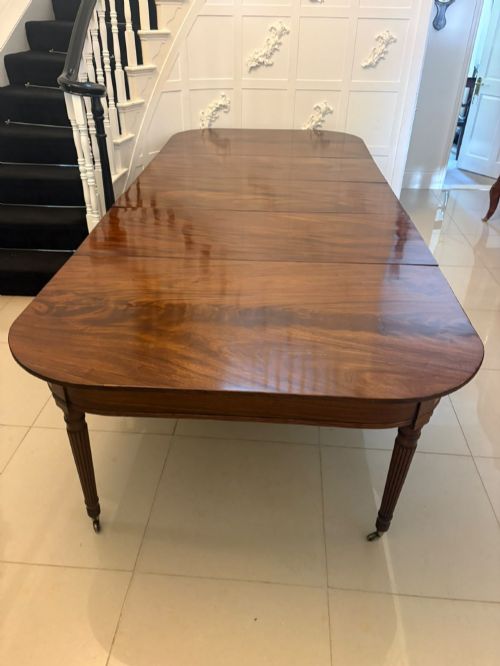
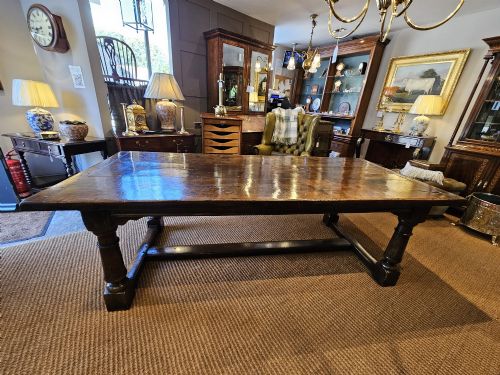
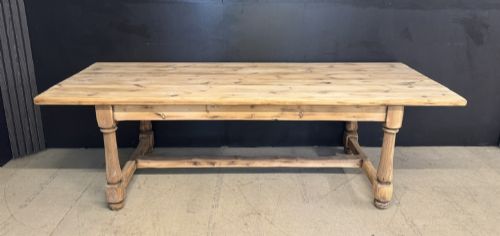
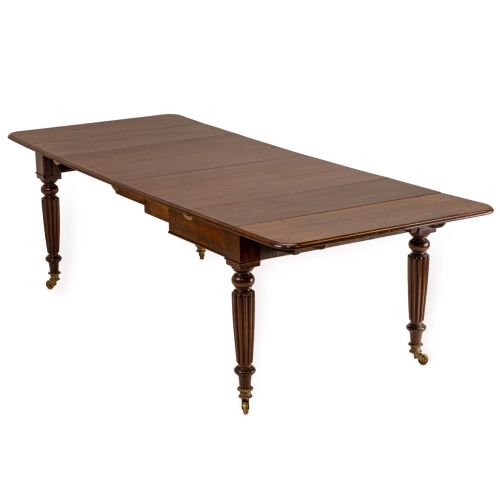
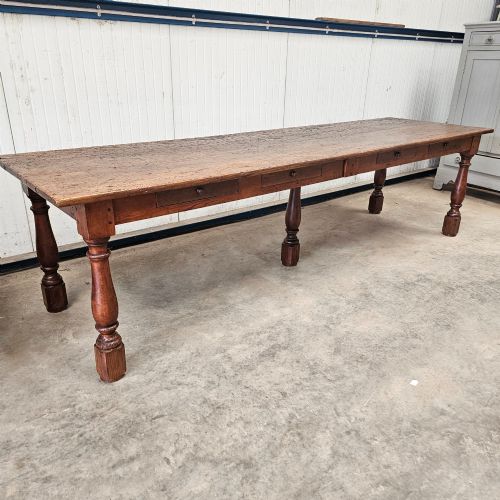
An antique 8 seater table brings together formal mahogany pedestal pieces and sturdy oak or pine refectory designs from the Georgian, Victorian, and Edwardian eras. These large boards and extending frames served substantial dining rooms and country kitchens alike.
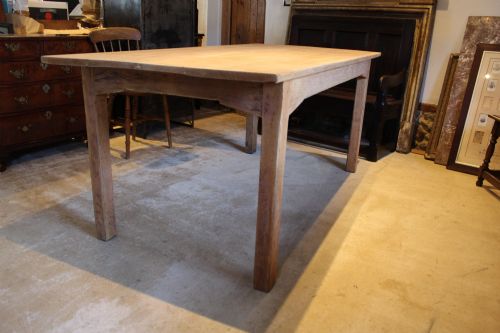
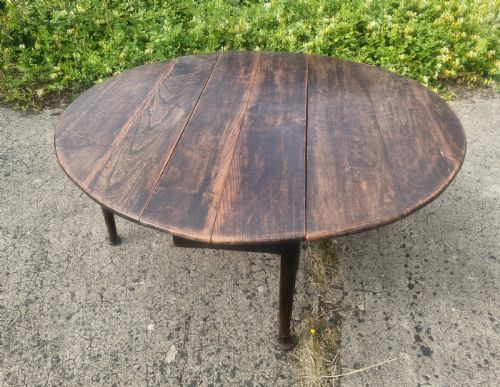
The selections available here span from circular tilt-top centre pieces to multi-pillar extending formats capable of hosting family meals. Buyers frequently encounter solid mahogany dining tables alongside rustic farmhouse versions built from oak or pine.
Originating across the 18th, 19th, and early 20th centuries, these pieces reflect the shifting domestic habits of British households. Whether searching for a George III pillar table or a heavy elm country piece, each survivor bears the functional marks of its period.
How they were made
Cabinet makers utilised dense hardwoods like figured mahogany, walnut, and oak, selecting boards for their rich grain patterns and structural stability. Brass fittings, castors, and internal extension mechanisms were incorporated into grander pedestal tables to manage heavy leaves.
Country pieces relied on thick pine, elm, or chestnut planks joined simply for robust daily use in farmhouses and kitchens. Surface finishes typically involved hand-applied wax or polish, protecting the wood while accentuating natural growth rings and crossbanding details such as satinwood.
Some heavy Georgian extending tables required up to six pillars just to keep the midday roast from launching into orbit.
What varies in quality
The tier of a piece depends heavily on the selection of timber veneers, such as figured mahogany or burr walnut, and the precision of the joinery used in pedestals and aprons. Superior examples display balanced grain matching across leaves and smooth operation in extending screw mechanisms.
Proportion and execution distinguish standard vernacular furniture from high-style workshop output. Tables featuring well-carved legs, subtle crossbanding, and solid secondary woods command greater appreciation among collectors than utilitarian boards.
The Antique 8 Seater Table Glossary
- Pedestal table
- A table supported by one or more central columns rather than four corner legs. These pillars often stand on splayed brass-shod legs.
- Refectory table
- A long, narrow dining table traditionally used in communal halls and sturdy domestic kitchens. They are predominantly constructed from solid oak or pine.
- Crossbanding
- A border technique where thin strips of veneer are laid perpendicular to the grain of the main surface. This frames the tabletop, often utilising contrasting timbers like satinwood.
- Tilt-top table
- A table designed with a hinged mechanism allowing the top to pivot vertically when not in use. This saved precious floor space in smaller historic rooms.
- Extending table
- A dining table engineered with internal leaves and runners to increase its overall length. Georgian and Victorian versions frequently employed multiple pillars to support the expanded weight.
Antique 8 Seater Table: Frequently Asked Questions
How do I know if an 8 seater table extends?
Look underneath the top for wooden runners, central swing legs, or brass mechanism tracks that indicate where additional leaves insert.
Many formal mahogany designs use multiple pillars to support extra weight when fully pulled out.
What is the difference between a refectory and pedestal table?
Refectory tables use stretcher-joined legs at the corners or sides for maximum stability, commonly built in oak or pine.
Pedestal formats concentrate weight onto central columns, allowing more legroom around the perimeter of the dining surface.
How do I care for a mahogany dining top?
Apply natural beeswax periodically to nourish the hardwood and maintain a soft protective sheen against daily moisture.
Avoid placing hot dishes directly onto the polish and keep timber away from direct heat sources to prevent shrinkage.
Can I seat more than eight people at these tables?
Tables listed with extending leaves or multiple pillars often accommodate additional guests beyond their baseline capacity.
Check the base dimensions and leg clearance to ensure chairs fit comfortably along the entire length.