
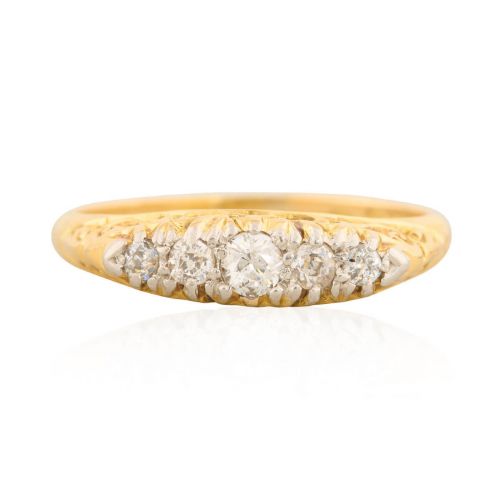

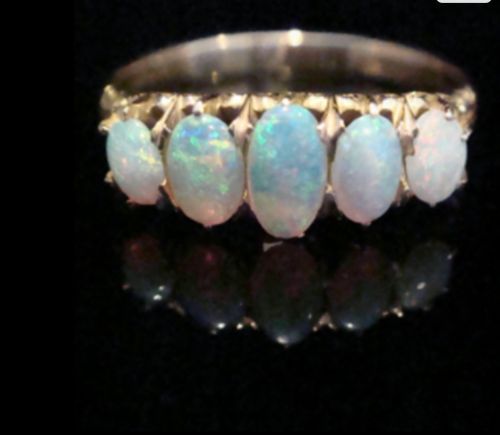


Antique 5 Stone Ring
When choosing an antique 5 stone ring, you select a finger-length band carrying a row of gems set side by side in precious metal.
Antique 5 Stone Ring
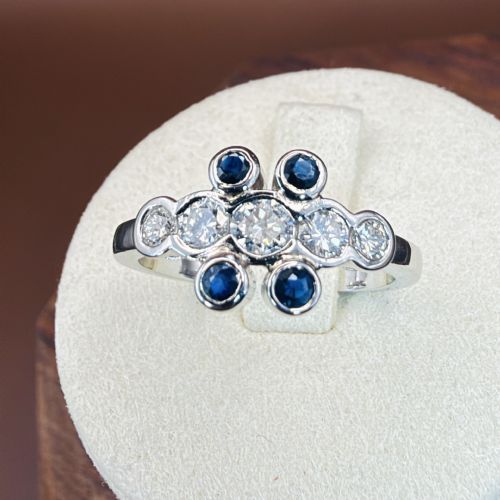
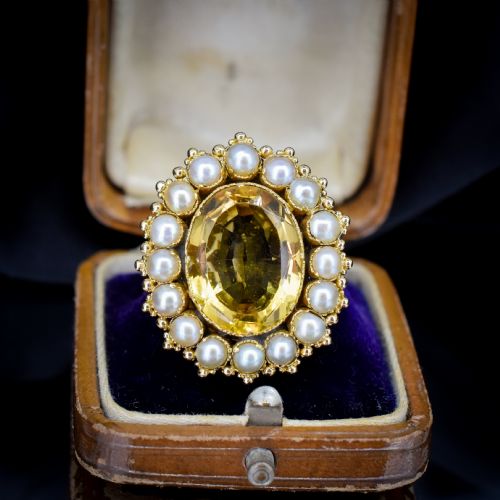
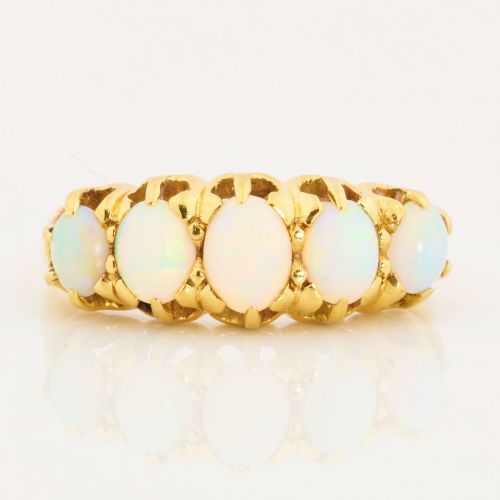
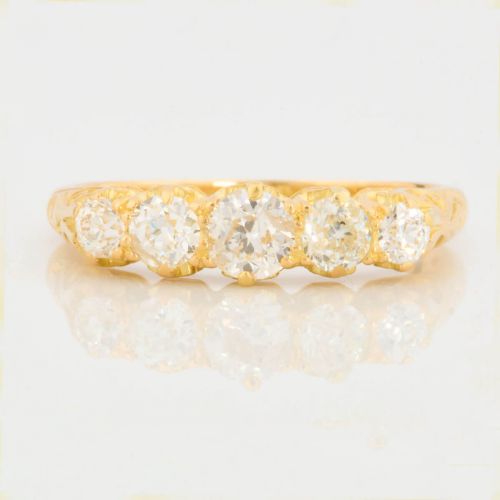
An antique 5 stone ring displays a graduated or uniform row of gems across the top of the hand, frequently encountered in Victorian, Edwardian, and Art Deco designs. These pieces often alternate diamonds with rubies, sapphires, or opals, mounted securely within yellow gold, white gold, or platinum settings.
The format originated as a popular choice for engagement tokens and commemorative bands during the nineteenth and early twentieth centuries. Surviving examples reflect the shifting tastes from heavy Victorian mountings to lighter Edwardian boat settings and geometric Art Deco layouts.
Materials and construction methods
Goldsmiths utilised eighteen-carat yellow gold, fifteen-carat gold, and emerging platinum during the late Victorian and Edwardian eras to house old-cut diamonds and coloured gemstones. Metal was hand-carved, pierced, or engraved around the stones to maximise light entry while maintaining structural strength.
Gemstones such as rubies, sapphires, opals, and old mine-cut diamonds were secured using claw settings, boat-shaped navette mounts, or flush gypsy settings. Hallmarks stamped inside the bands often record assay offices in cities like Chester, Birmingham, and London alongside specific calendar years.
Listings feature yellow gold, white gold, platinum, and silver alongside stones including diamonds, rubies, sapphires, opals, and emeralds.
Distinctions in construction and gem selection
The standard of a piece rests on the matching, weight, and integrity of the set stones alongside the crispness of the original metalwork. Uniformity in colour and cut across all five gems separates standard production pieces from finer artisan examples.
Wear around the claws and the thinning of the gold shank through decades of daily use alter the physical condition. Well-preserved hallmarks and minimal alteration to the original basket or gallery maintain the integrity of the object.
R. E. Stone
The Antique 5 Stone Ring Glossary
- Old cut diamond
- A diamond cut by hand before modern machinery, characterised by a small table, high crown, and open culet. These stones display a softer candlelit sparkle compared to brilliant cuts.
- Boat ring
- A setting shaped like an inverted boat where the central stones sit within an elongated navette-shaped platform. This style dominated Edwardian jewellery design.
- Half-hoop
- A ring style where gemstones span only the upper visible arc of the band rather than encircling the entire finger. This configuration ensures comfort during everyday wear.
- Hallmark
- Official stamps pressed into the metal interior denoting the assay office, metal purity, and year of manufacture. These marks provide definitive historical attribution.
- Trilogy
- A ring featuring three prominent stones representing past, present, and future. While distinct from a five-stone layout, it shares similar mounting techniques.
Antique 5 Stone Ring: Frequently Asked Questions
How do I care for antique rings?
Protect delicate gems like opals and pearls from harsh chemicals, ultrasonic cleaners, and hard impacts during daily wear.
Store pieces individually in padded boxes to prevent metal friction and stone abrasion between different rings.
Were these worn as engagement rings?
Victorian and Edwardian couples frequently chose multi-stone gem configurations as engagement tokens or anniversary markers.
The horizontal alignment made them versatile companions for wedding bands.
How do I identify an Edwardian piece?
Edwardian designs favor platinum-topped gold, openwork wire frames, and lighter boat-shaped galleries supporting old-cut diamonds.
Stylistic restraint and floral motifs typically distinguish this period from heavier Victorian jewellery.
Can antique rings be resized?
Skilled jewellers can adjust band circumferences by adding or removing small sections of metal from the lower shank.
Assay marks and delicate side engraving near the shoulders require careful preservation during any alteration.