

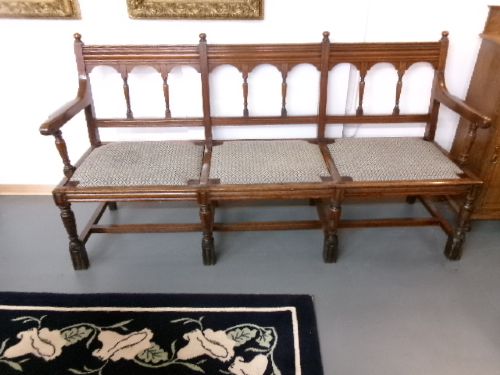
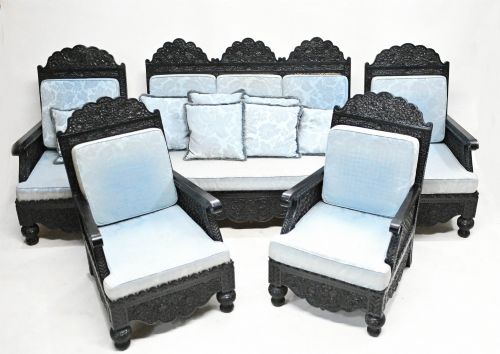
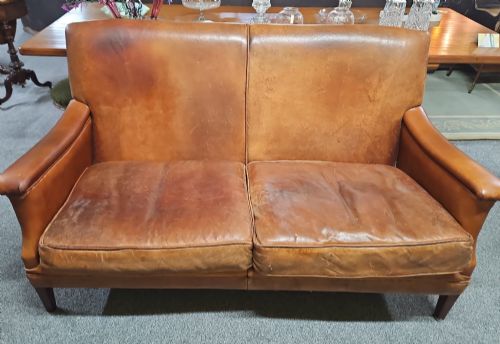


Antique 3 Seat Sofa
An antique 3 seat sofa brings traditional proportions and craftsmanship into a modern room, offering generous seating rooted in centuries of design.
Antique 3 Seat Sofa
When you search for an antique 3 seat sofa, you encounter substantial seating options designed for spacious reception rooms, drawing rooms and sitting spaces. The selection spans the nineteenth century through the early twentieth century, including robust Victorian frames, elegant Edwardian models and later interpretations.
The form appears under various historical descriptions in the evidence, encompassing traditional settees, deep-seated country house couches and expansive Chesterfield designs. These pieces range from formal carved mahogany and walnut frames to upholstered button-backed creations intended for domestic comfort.
Buyers meet examples displaying distinct regional and stylistic influences, from French Louis XV style pieces to classical Georgian and Rococo Revival forms. The variety includes standalone seating alongside matching elements drawn from larger salon suites.
Materials and construction
Frames rely on sturdy timbers such as mahogany, walnut, oak, rosewood and satinwood, frequently shaped with hand-carved details, inlaid panels or polished finishes. Structural integrity depends on dense hardwoods selected to support heavy upholstery and daily use over generations.
Upholstery incorporates traditional textiles including velvet, damask, calico linen, leather and patterned fabrics. Decorative embellishments feature brass ormolu mounts, cast iron elements, button-backed tufting and feather cushions designed for support.
Antique 3 Seat Sofa Retail Price Guide 2026
Typical asking prices for 3 seat sofa among the pieces listed under this phrase on Sellingantiques today, from the lower quarter to the upper quarter. They describe what is for sale here now, not the wider market.
Listings feature walnut, mahogany, rosewood, oak and satinwood frames paired with velvet, damask, leather and calico linen upholstery.
Distinctions in quality
Quality rests upon the execution of the timber frame, where crisp hand-carving, choice veneers and substantial joinery distinguish superior workshops. Makers known for exceptional seating, such as Howard and Sons, demonstrate a higher standard of internal construction and enduring comfort.
The sophistication of the upholstery work and the retention of original decorative elements influence the standing of a piece. Finer examples balance robust structural timber with well-preserved textiles, intricate inlay and balanced proportions.
Howard and Sons·Hampton and Sons
The Antique 3 Seat Sofa Glossary
- Chesterfield
- A deeply upholstered sofa traditionally featuring rolled arms of the same height as the back. This form often includes button-backed upholstery and generous padding.
- Bergere
- An enclosed upholstered armchair or sofa featuring exposed wooden framing and cane or upholstered sides. The style originates from French furniture design.
- Ormolu
- Gilded bronze ornamentation applied to furniture frames and decorative objects. This technique adds metallic highlights to wood surfaces.
- Settee
- A medium-length wooden or upholstered seat designed for multiple occupants with a back and arms. It forms a primary seating category alongside sofas and couches.
- Inlay
- A decorative technique where pieces of contrasting wood, metal or shell are inserted into depressions within a solid timber surface. This method creates flat surface patterns.
Antique 3 Seat Sofa: Frequently Asked Questions
What defines an antique 3 seat sofa?
An antique 3 seat sofa is a historical seating piece designed to accommodate three individuals comfortably, typically constructed before the mid-twentieth century. These items encompass formal Victorian settees, deep country house couches and Edwardian upholstered frames.
Such furniture relies on traditional joinery and classic timber frames made from mahogany, walnut or oak. Their proportions reflect the domestic architecture and reception room layouts of their respective periods.
How do I identify the period of a sofa?
Period identification depends on examining the stylistic cues, timber choices and construction methods visible in the frame and upholstery. Victorian pieces often display heavy carved mahogany or walnut, while Edwardian examples frequently feature lighter inlaid satinwood or mahogany.
Further clues emerge from decorative motifs such as Rococo Revival curves or Louis XV styling. Comparing these characteristics against documented furniture eras clarifies the manufacturing timeframe.
Are these sofas comfortable for daily use?
Many antique sofas offer substantial depth and support suitable for contemporary living spaces. Pieces like deep-seated country house couches and Chesterfield designs were built specifically for relaxation.
Comfort levels vary depending on the internal padding and springing system used during manufacture or subsequent reupholstery. Selecting a piece with feather cushions or deep upholstery ensures practical everyday seating.
How should I care for wooden frames?
Wooden frames require gentle maintenance using soft cloths to remove dust without abrasive cleaners. Keeping timber away from direct sunlight and extreme humidity prevents warping and protects the polished finish.
Applying occasional appropriate furniture wax helps preserve the natural grain of woods like mahogany and walnut. Regular inspection of joints ensures the structural stability of the frame remains intact.