

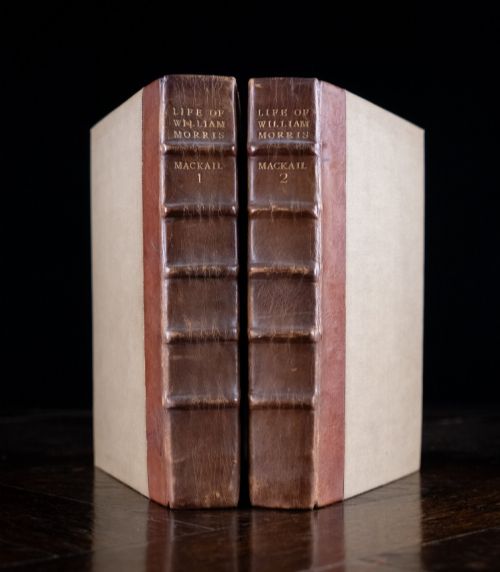
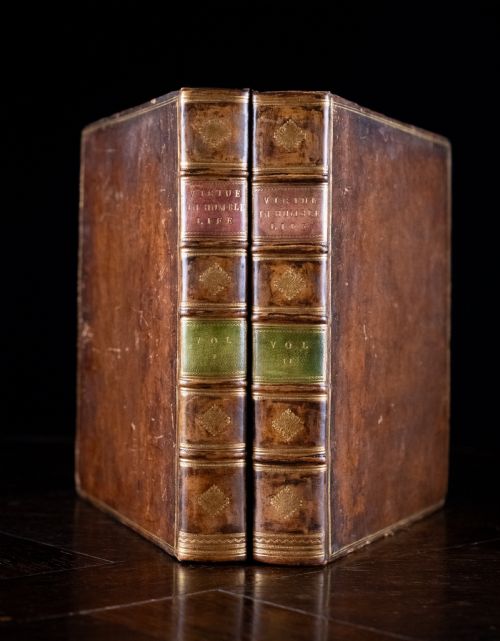
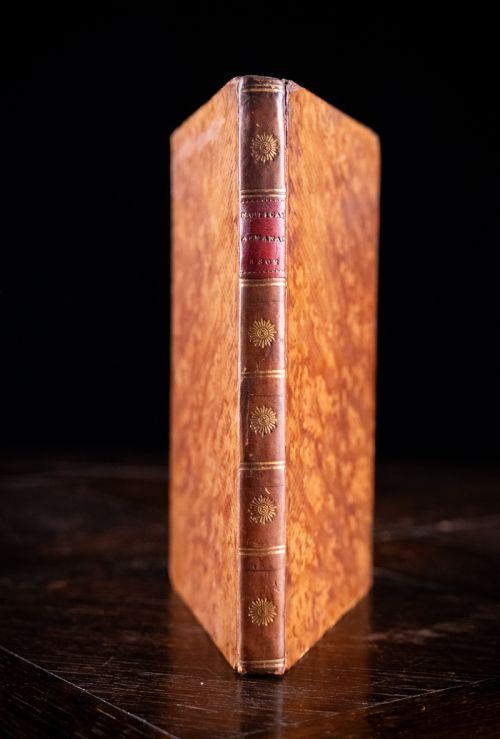
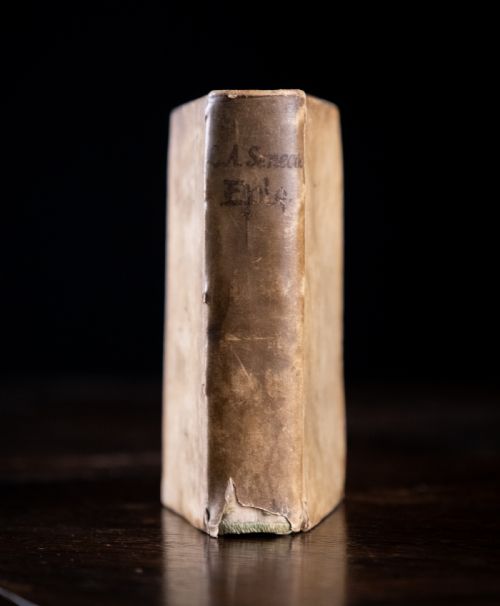
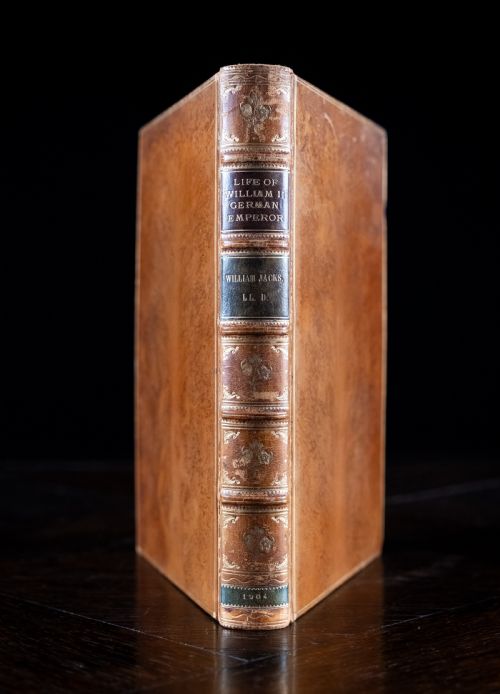
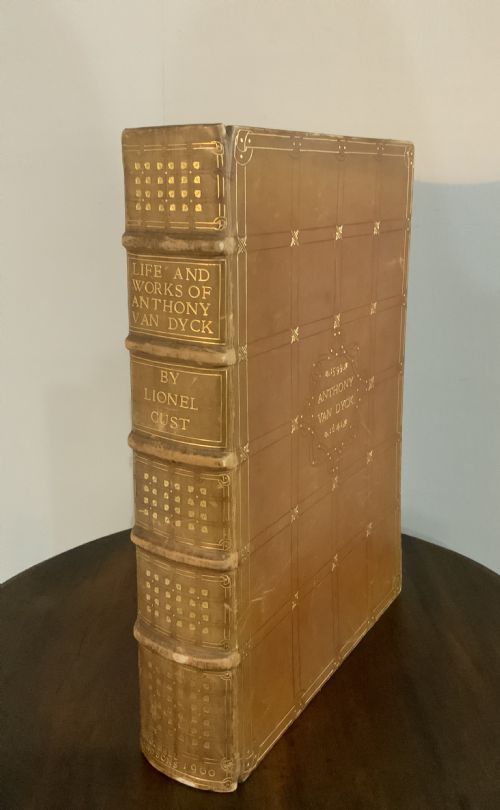


Antiquarian Leather Bound Book
These antiquarian leather bound book examples offer tactile historical depth, bringing centuries of literature and binding craft directly to your study shelves.
Antiquarian Leather Bound Book
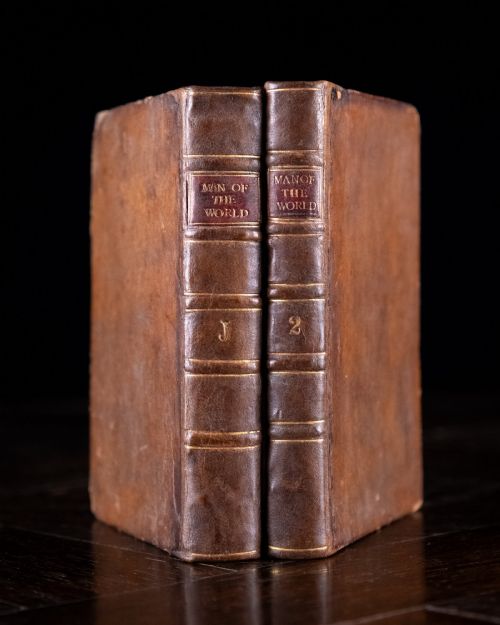
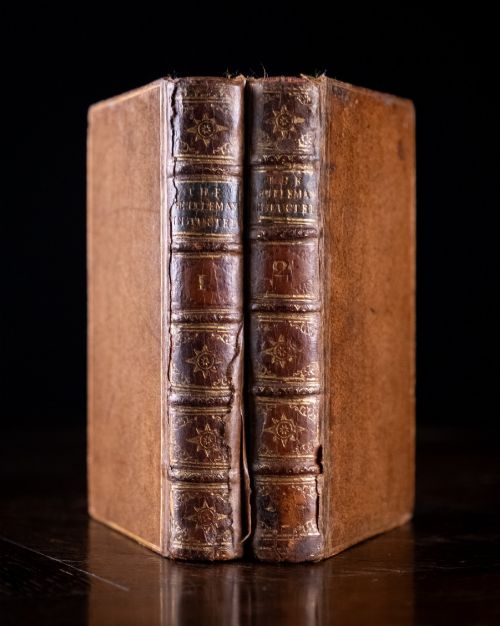
An antiquarian leather bound book represents centuries of publishing history, spanning from the seventeenth century through to the Edwardian period. Buyers encounter single volumes alongside multi-volume sets covering poetry, plays, biographies, and historical reference works.
Most pieces date from the eighteenth and nineteenth centuries, displaying characteristic styles like Georgian, Regency, and Victorian binding traditions. Collectors look for these volumes to furnish libraries or to hold tangible pieces of early print culture.
How they were made
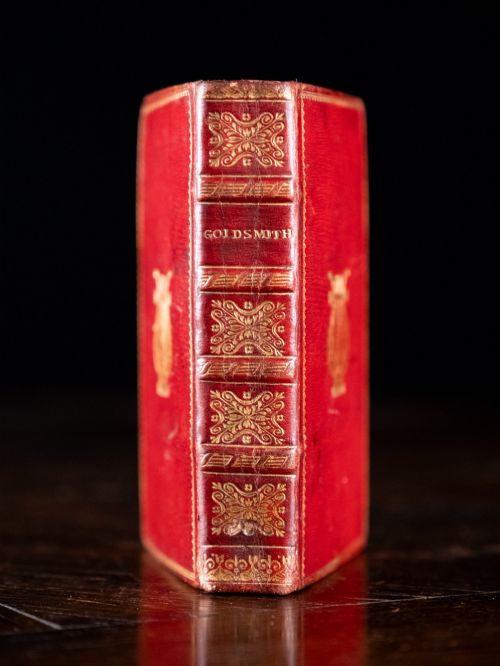
Binders constructed these books using sturdy materials such as calfskin leather, vellum, and paper leaves. Many bindings incorporate marbled paper inside the covers alongside gold leaf tooling applied to the spines and boards.
Printers and binders produced these works by hand or through early industrial methods across the seventeenth, eighteenth, and nineteenth centuries. Artisans impressed metallic leaf into the leather to create decorative lettering and ornamental borders.
Antiquarian Leather Bound Book Retail Price Guide 2026
Typical asking prices for antiquarian leather bound book among the pieces listed under this phrase on Sellingantiques today, from the lower quarter to the upper quarter. They describe what is for sale here now, not the wider market.
One tiny volume recorded here is a miniature Bible from seventeen-eighty, designed to fit snugly into a pocket.
What varies in quality
The standard of an antiquarian leather bound book rests largely on the precision of the gilding and the uniformity of the set. Multi-volume editions that retain their original matching calfskin bindings display a higher grade of craftsmanship than assembled sets.
The quality also shows in the fidelity of the printing, the clarity of the typography on early paper stocks, and the crispness of the blind or gold tooling stamped into the leather cover.
J. & R. Tonson·Jean Dassier
The Antiquarian Leather Bound Book Glossary
- Gilt tooled
- A decoration method using gold leaf pressed into leather with heated metal tools. This technique adds gleaming metallic details to spines and covers.
- Calfskin
- A smooth, supple leather derived from the skin of a calf. Binders favoured this material for its fine grain and durability.
- Vellum
- A prepared animal skin used as a durable writing surface or binding material. It provides a stiff, creamy white exterior.
- Miniature book
- An extremely small publication designed to be easily carried or read with a magnifying glass. These tiny formats often date to the eighteenth and nineteenth centuries.
- First edition
- The earliest printed appearance of a text from the original typesetting. Collectors prize these initial print runs for their historical priority.
Antiquarian Leather Bound Book: Frequently Asked Questions
How should I care for leather bound books?
Keep these volumes away from direct sunlight and damp conditions to protect the delicate paper and leather bindings. Maintaining stable room humidity prevents the natural skins from drying out or cracking over time.
Dust the tops of the text blocks gently with a soft brush rather than a cloth. Handle the spines carefully when pulling a volume from a tightly packed shelf.
Can I read these antique books?
Yes, many of these volumes remain sturdy enough for careful reading provided you support the covers properly. Opening them gently ensures the historic sewing threads and glue structures stay intact.
Some miniature books or fragile seventeenth-century volumes are better suited for display and gentle consultation. Use a book cradle to support heavy multi-volume sets while reading.
What is a multi-volume book set?
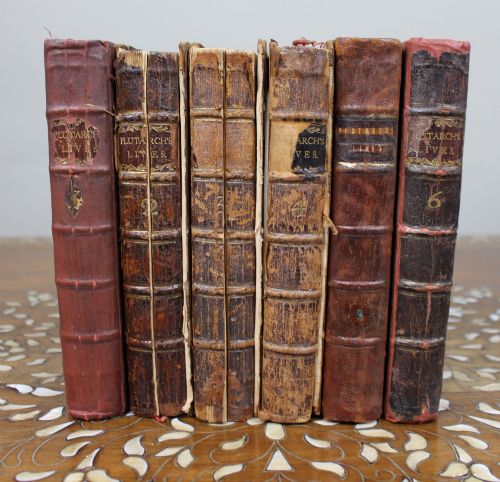
A multi-volume set divides a large work, such as Plutarch's Lives or Shakespeare's plays, across several uniformly bound books. Publishers often released extensive novels or histories in this format to make handling easier.
Collectors look for matched sets where every volume shares the same publisher binding and publication year. Finding an entire series intact adds considerable appeal for a home library.
How do I identify the publication date?
Check the title page at the front of the book for printed dates, or examine the preliminary pages for publisher publishing notices. Printers often recorded the year of publication in Roman numerals.
When a printed date is absent, stylistic clues from the binding, typeface, and paper watermark help narrow down the period. Comparing the volume to known historical editions confirms the era.