




Anglo Indian Bowl
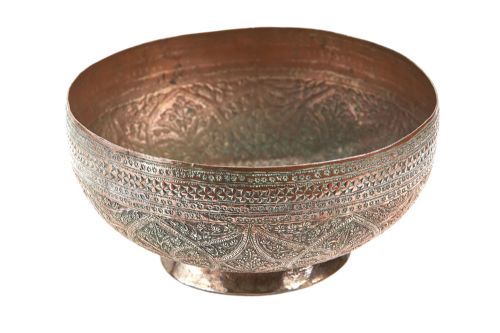
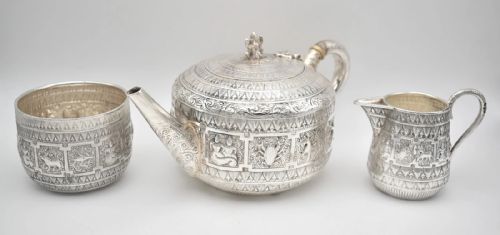
An anglo indian bowl brings together subcontinent craftsmanship and British colonial taste, offering deep repoussé work and heavy metal forms that anchor a room.
Anglo Indian Bowl
When you search for an anglo indian bowl, you are looking at decorative vessels, cachepots, compotes, and footed dishes shaped by craftsmen during the colonial period. These pieces bridge traditional eastern metalwork techniques with western domestic requirements for display and service.
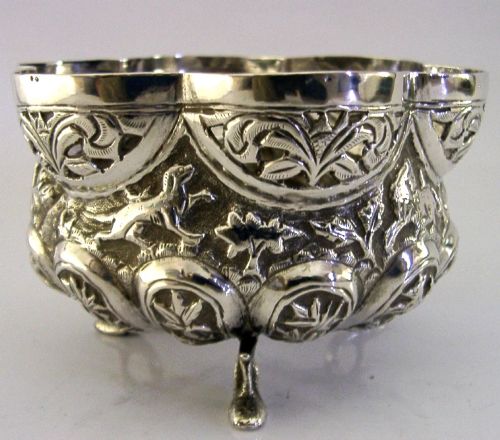
The versions you are most likely to meet on this page date from the Victorian era and the late nineteenth century, spanning brass, copper, silver plate, and solid silver. They range from small animal-decorated bowls to large ceremonial vessels and jardiniere planters.
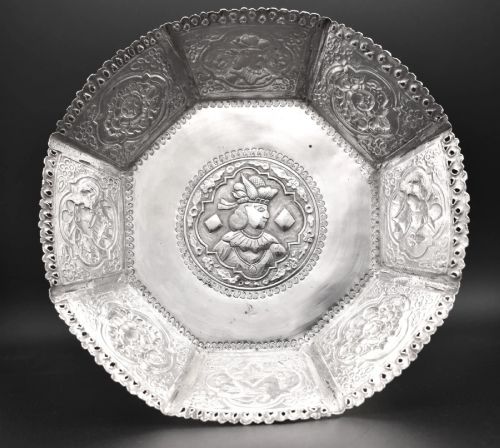
Forms often draw on Burmese or wider regional motifs, utilising repoussé hammering and wirework to create dense surface patterns. Buyers find everything from simple brass cachepots to heavy silver presentation pieces.
Materials and construction
Makers shaped these objects using metals such as brass, copper, and various grades of silver, including solid silver and silver plate. The choice of metal dictates the weight and the depth of the finished ornamentation.
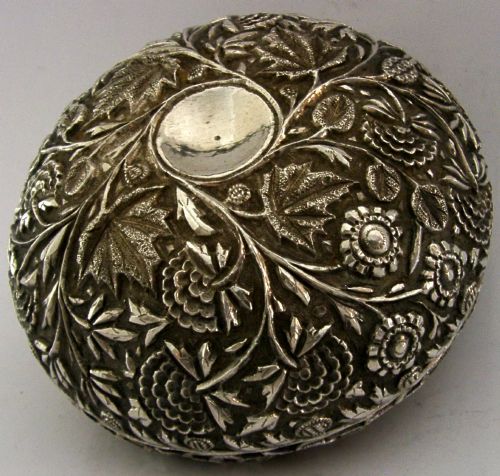
Techniques relied heavily on repoussé work, where artisans hammered the metal from the reverse to form raised figures, animals, and foliage on the surface. Wirework and applied mounts also appear, adding intricate linear detail to compotes and bowls.
Anglo Indian Bowl Retail Price Guide 2026
Typical asking prices for anglo indian bowl among the pieces listed under this phrase on Sellingantiques today, from the lower quarter to the upper quarter. They describe what is for sale here now, not the wider market.
Listings feature metals spanning solid silver, brass, copper, and silver plate, alongside forms such as cachepots, compotes, and jardiniere planters.
Assessing the craftsmanship
Quality rests in the crispness and depth of the repoussé hammer work, where sharper relief denotes superior hand skill. Heavy gauge metal and clean structural joints separate utilitarian wares from finer presentation pieces.
The clarity of animal figures, foliage, and chased details dictates the artistic merit of the vessel. Better examples maintain crisp decoration across the entire body without losing definition in crowded compositions.
The Anglo Indian Bowl Glossary
- Repoussé
- A metalworking technique where the artisan hammers a design from the reverse side to create a raised image on the front. This method defines the heavily decorated surfaces of these bowls.
- Cachepot
- An ornamental container used to hold a flowerpot, protecting furniture from water. These often appear in brass across the inventory.
- Compote
- A stemmed dish used for serving fruit or sweets, elevating the vessel above the table surface. Wirework and repoussé variants appear in nineteenth-century silver.
- Jardiniere
- A large decorative pot or stand for plants and flowers. Brass examples from the Victorian period provide sturdy forms for interior display.
- Silver Plate
- A base metal coated with a thin layer of silver. This material offered the bright appearance of solid silver at a lower production cost.
Anglo Indian Bowl: Frequently Asked Questions
What is an anglo indian bowl?
These are metal vessels made in the Indian subcontinent during the British colonial period, combining local artisan methods with European forms.
They encompass items like cachepots, footed bowls, and serving dishes created in brass, copper, and silver.
How were these bowls used?
Original uses ranged from practical dining service and presentation pieces to ornamental cachepots and compotes for domestic display.
Heavier ceremonial examples served ritual or commemorative functions within colonial households and official settings.
How do I date these pieces?
Dating relies on stylistic markers, maker marks where present, and the specific composition of the metalwork.
Most items on this page span the Victorian era and the late nineteenth to early twentieth centuries.
How do I clean brass and silver?
Maintenance requires gentle cleaning with appropriate metal polishes to remove tarnish while preserving the darker recessed details.
Avoid harsh abrasives that can wear down hand-hammered repoussé surfaces and fine wirework.