



Anglo Indian Accent Chair
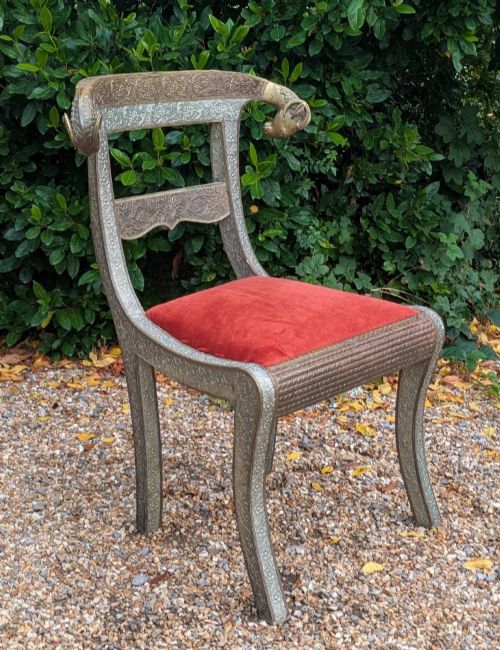
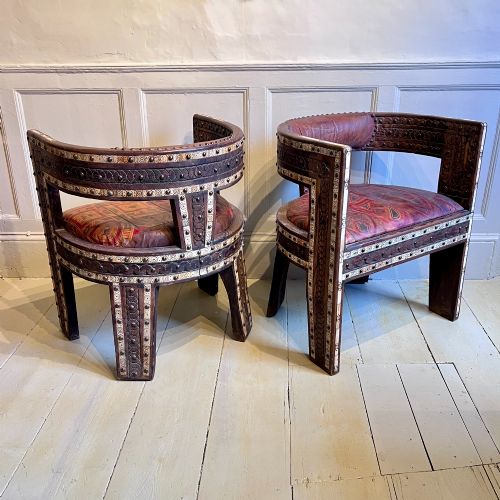
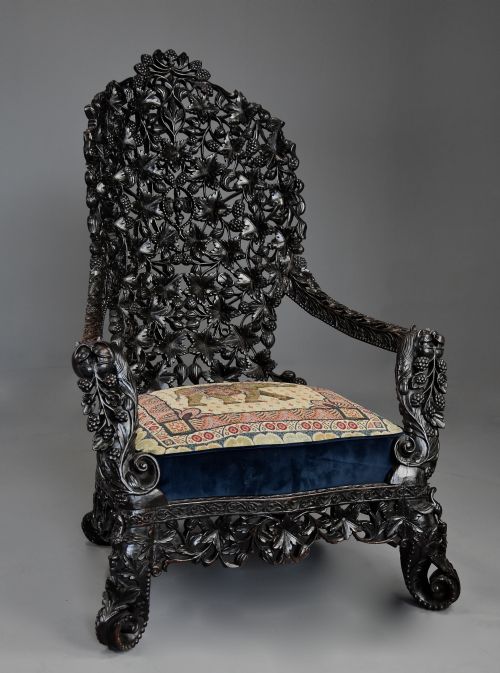
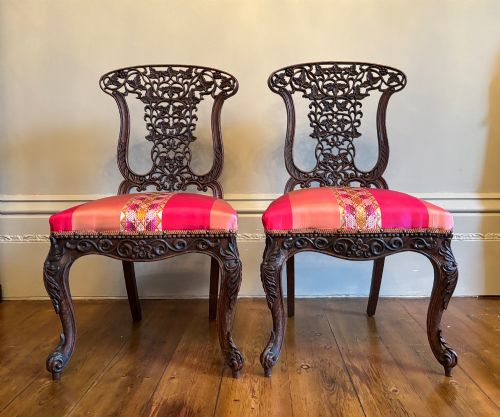
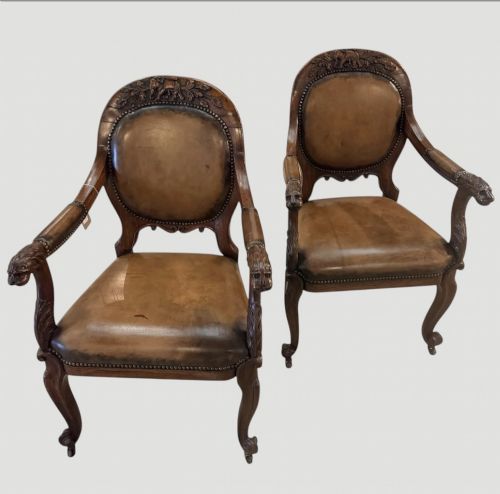
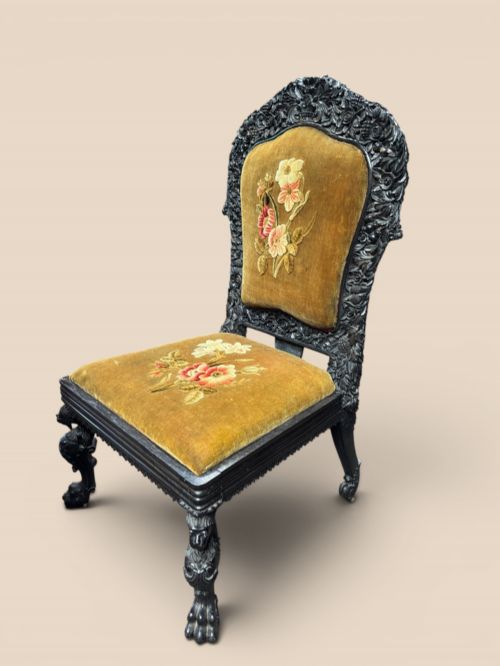
An anglo indian accent chair brings distinct colonial character into a room through dense hand carving and rich timbers.
Anglo Indian Accent Chair
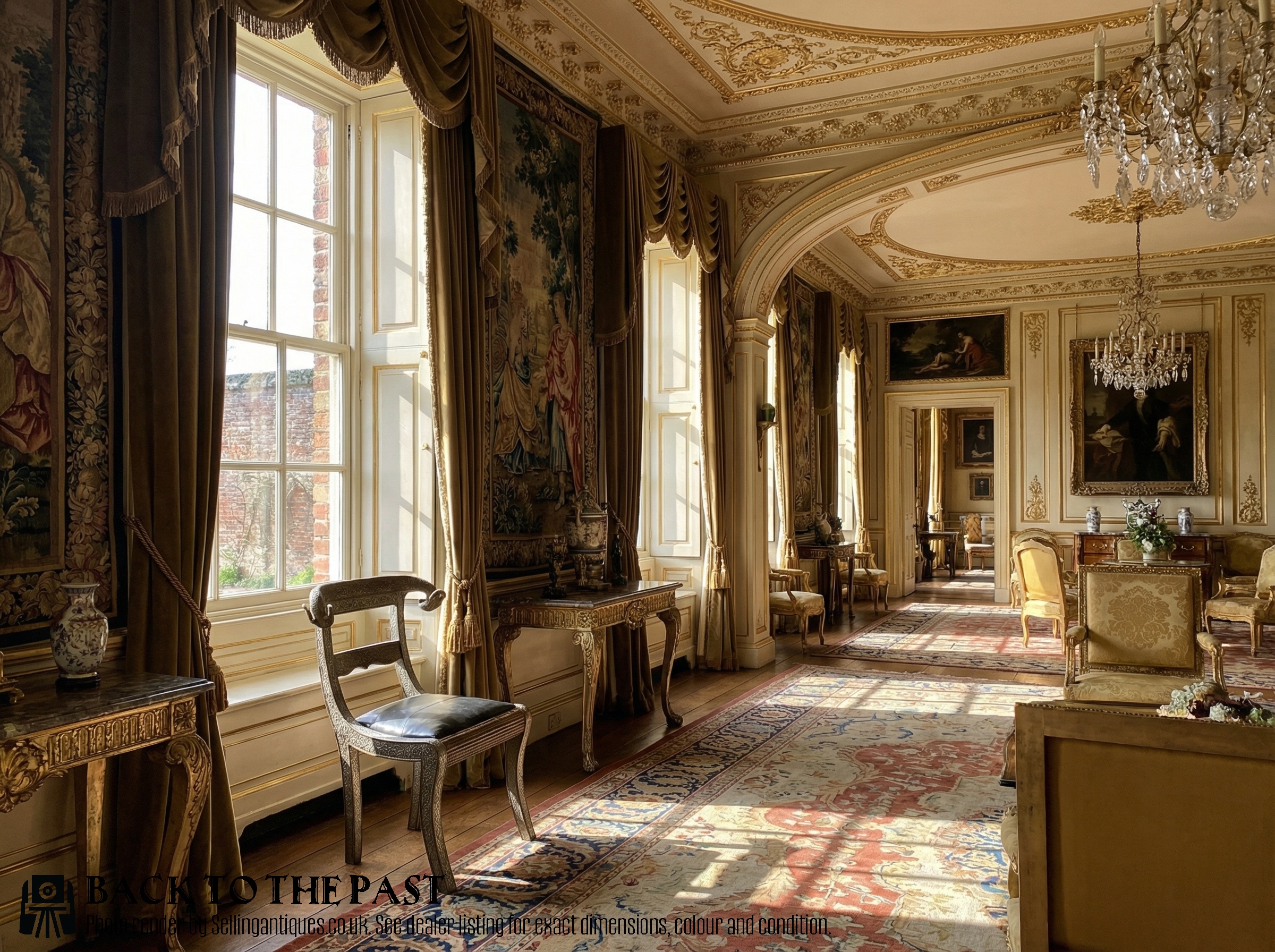
An anglo indian accent chair draws on a blend of British seating forms and traditional Eastern craftsmanship. These pieces span from the seventeenth century through the nineteenth century, encompassing Georgian, Victorian, and later periods.
The selection includes armchairs, side chairs, occasional chairs, and hall chairs designed for diverse domestic settings. Common stylistic expressions range from Anglo-Indian and Indo-Portuguese to Moorish and Burmese designs.
Makers utilised various regional aesthetics, producing works that function both as practical seating and decorative focal points. Buyers frequently encounter nineteenth century examples featuring elaborate regional carving.
Materials and construction methods
Artisans constructed these chairs using dense tropical hardwoods such as teak, padauk, rosewood, ebony, and satinwood. These heavy timbers provided a stable base for deep, intricate relief carving.
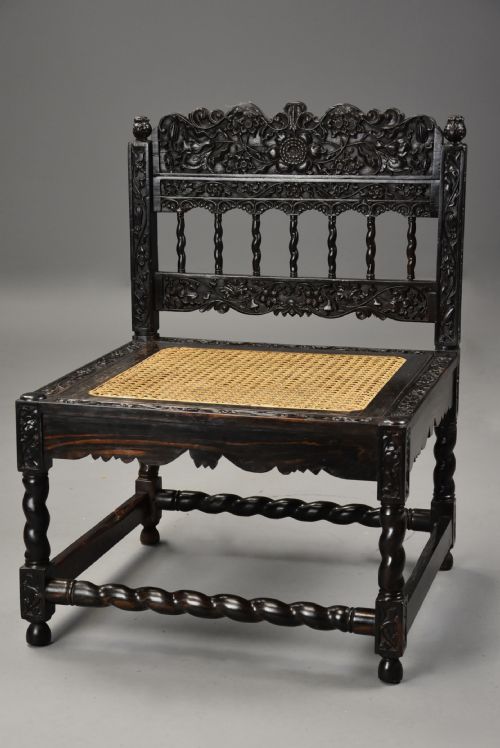
Many examples incorporate cane seating surfaces or incorporate brass inlay and leather upholstery. Gilt wood and silvered details occasionally accent the structural woodwork.
Joinery methods varied according to the local traditions of the workshops across India, Ceylon, and Burma. Folding mechanisms and Savonarola frames also appear among the structural variations.
Several chairs feature carved ram heads or fan-like peacock motifs gazing out from the backrest.
Distinctions in craftsmanship and material
Quality rests in the crispness and depth of the hand carving across the hardwood frame. Superior pieces display sculptural precision in motifs like rams heads and peacock designs.
The choice of dense timber, such as solid ebony or figured padauk, separates standard utilitarian seating from exceptional luxury commissions. Original caning and integrated brass inlay further elevate the standing of a piece.
The Anglo Indian Accent Chair Glossary
- Padauk
- A heavy, durable tropical hardwood with a reddish-brown hue. This timber was frequently selected for fine colonial furniture due to its stability and resistance to insects.
- Cane
- Woven rattan material used to form light, breathable seat and back panels. It appears commonly on seating originating from warmer climates.
- Savonarola
- A type of folding chair formed from intersecting curved wooden slats. This Renaissance-inspired frame was occasionally adopted by Indian workshops with brass inlay.
- Coromandel Coast
- A regional coastal strip in southeastern India associated with early cabinetmaking traditions. Pieces from this area often feature solid ebony and intricate carving.
Anglo Indian Accent Chair: Frequently Asked Questions
Where were these chairs made?
These chairs originated in workshops across the Indian subcontinent, Ceylon, and Burma during the colonial era. Local craftsmen adapted traditional European furniture forms using native timbers and ornamental motifs.
Production spanned several centuries, reflecting regional styles influenced by British patronage and indigenous design techniques.
How do I care for antique hardwood?
Maintain the timber by dusting regularly with a soft, dry cloth and avoiding direct sunlight. Apply suitable beeswax sparingly to preserve the natural moisture of dense woods like ebony and rosewood.
Keep these pieces away from sudden temperature shifts and excessive humidity to protect carved details and delicate joinery.
Are these chairs comfortable for daily use?
Many examples feature upright backs and solid wooden or caned seats designed for formal sitting rather than lounging. Adding a tailored cushion can improve comfort for extended periods of use.
Armchairs and elbow chairs offer broader support, while side chairs function well as occasional seating or decorative accents.
How can I date an old chair?
Dating relies on examining the timber species, tool marks, joinery techniques, and stylistic crossover periods. Nineteenth-century examples often exhibit deep relief carving and dense tropical woods.
Comparing construction details with documented pieces from specific regions like Ceylon or Burma helps narrow down the period of manufacture.