




Ancient Artefact
An ancient artefact gathers centuries of human craft into a single object, offering a tangible link to Pre-Columbian, Egyptian, and medieval worlds that every collector desires.
Ancient Artefact
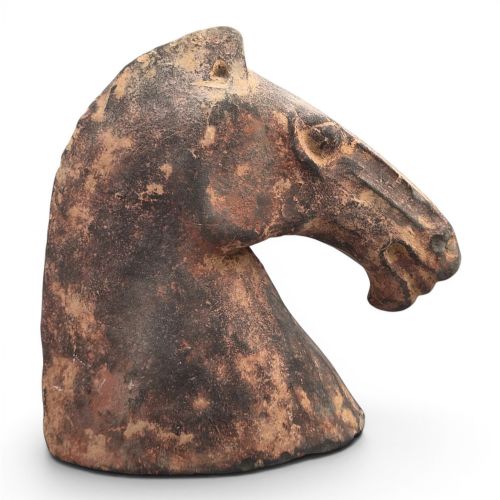
When you search for an ancient artefact, you encounter a diverse range of surviving material culture spanning from early Chinese dynasties to medieval Europe and Pre-Columbian America. The objects on this page include ritual bronze vessels, terracotta figures, personal adornment like bronze rings, and functional items such as Egyptian cosmetic containers.
The periods represented stretch from the Shang and Han dynasties through the New Kingdom of Egypt and the Viking Age, right up to the late medieval period. Forms vary widely from utilitarian vessels and signet rings to intricate religious statuettes and tomb figures designed for ritual or burial contexts.
Origins are truly global, drawing on workshops and cultures across Asia, the Near East, Europe, and the Americas. Buyers will find that each piece bears the distinct stylistic markers of its specific civilization and era, whether that is the characteristic iconography of a Javanese deity or the geometric designs of a Viking spiral ring.
How they were made
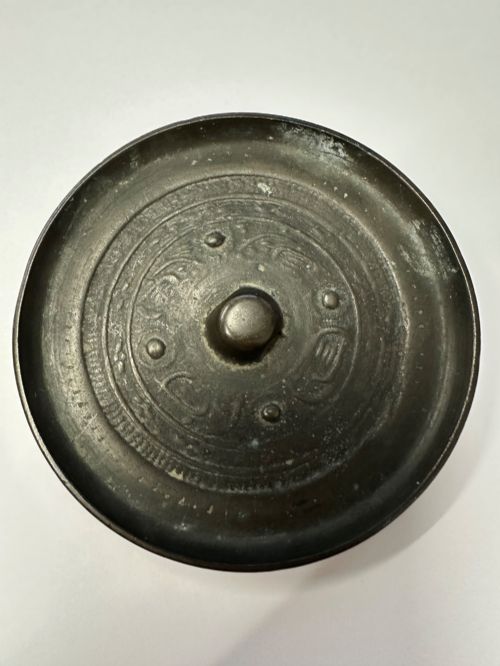
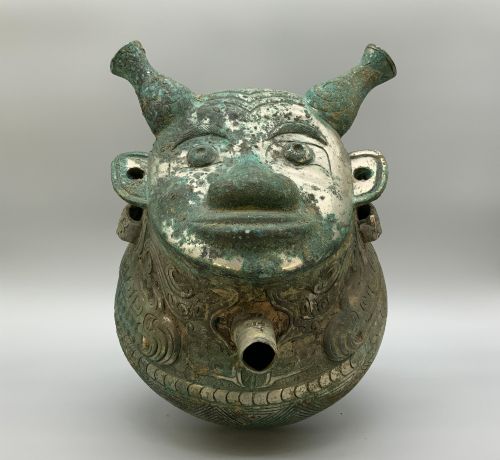
Makers utilised bronze casting techniques, such as lost-wax methods, to create ritual vessels, mirrors, and signet rings with enduring metallic strength. These metal objects often display patinated surfaces, verdigris, or traces of gold gilding that reflect their ancient origins and subsequent burial.
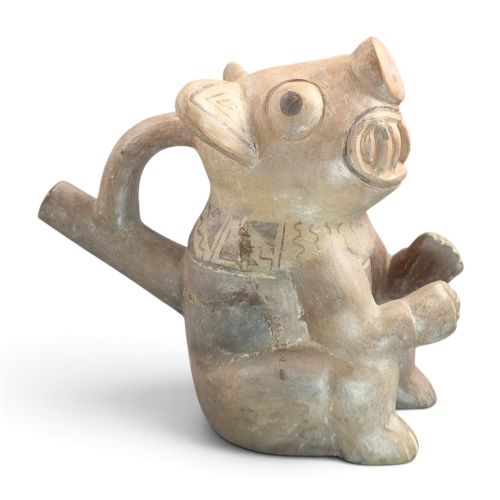
Terracotta and earthenware pieces were shaped by hand or moulded from local clays, sometimes finished with pigments to add colour and detail to tomb figures and vessels. Artisans also worked with stone, wood, and linen, employing simple yet durable methods suited to the functional or ritual purpose of each item.
Ancient Artefact Retail Price Guide 2026
Typical asking prices for ancient artefact among the pieces listed under this phrase on Sellingantiques today, from the lower quarter to the upper quarter. They describe what is for sale here now, not the wider market.
Listings feature items from multiple millennia, incorporating bronze, terracotta, earthenware, and linen across Asian, European, and American traditions.
What varies in quality
The standard of an ancient artefact is defined by the crispness of its original casting, carving, or modelling, which reveals the skill of the ancient artisan. Pieces that retain clear facial expressions, distinct iconography, or well-preserved surface details demonstrate superior execution.
Condition and the survival of original surface treatments - such as applied pigments, natural patination, or gilding - distinguish pieces with greater visual and historical impact. The strength of the design, whether in the flowing lines of a Pre-Columbian vessel or the heraldic engraving of a medieval ring, ultimately determines the distinction of the work.
The Ancient Artefact Glossary
- Terracotta
- Fired clay used extensively across ancient cultures for sculpture, vessels, and architectural elements. It ranges in colour from pale buff to deep red depending on the iron content of the earth.
- Patinated Metal
- Metal surfaces altered by oxidation or chemical reaction over long periods of burial or exposure. This natural ageing process creates distinctive surface colours and textures.
- Mingqi
- Chinese spirit or tomb figures placed in tombs to serve the deceased in the afterlife. They frequently depict attendants, animals, or officials from dynasties such as the Han and Sui.
- Shabti
- Small Egyptian funerary figurines placed in tombs to act as servants for the deceased in the afterlife. They are typically fashioned from faience, stone, or wood and inscribed with identifying text.
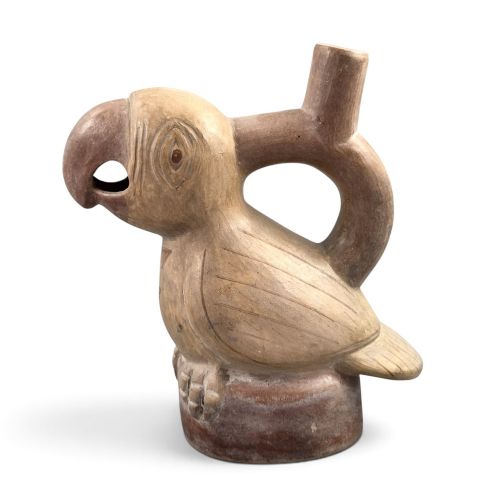
- Ornithomorphic
- Shaped or decorated in the form of a bird. This motif appears frequently in ancient pottery and decorative art across various cultures.
Ancient Artefact: Frequently Asked Questions
What is an ancient artefact?
An ancient artefact is an object made or shaped by human hands in antiquity, surviving from early civilizations across the globe.
These pieces encompass utilitarian tools, ritual vessels, personal jewellery, and sculptural figures that reflect the daily life, beliefs, and artistic capabilities of past societies.
How do I care for ancient metalwork?
Ancient metal objects require stable environmental conditions with moderate humidity to protect their delicate surfaces and historical patinas.
Avoid aggressive cleaning or polishing, as the accumulated oxidation and surface deposits are integral parts of the piece's history and stability.
How are different periods identified?
Periods are identified through a combination of stylistic analysis, iconographic motifs, material composition, and manufacturing techniques.
Comparing an object's form and decoration with established archaeological examples helps specialists place it within a specific culture and century.