








Anatolian Scatter Rug
An anatolian scatter rug brings genuine tribal warmth to a floor, offering rich wool geometry worked by village hands.
Anatolian Scatter Rug
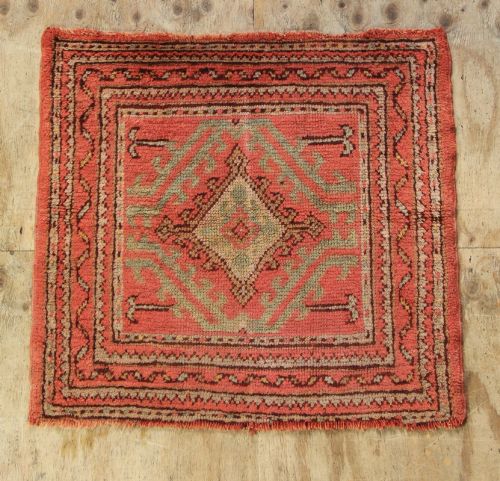
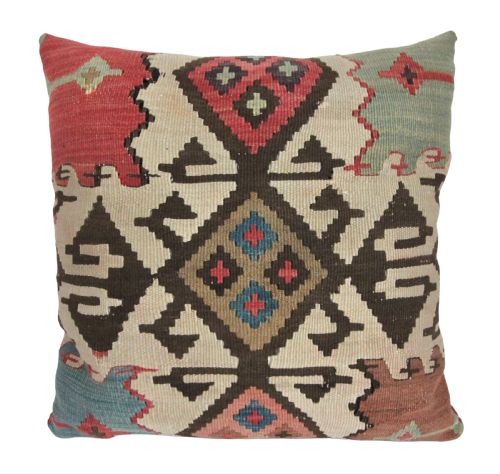
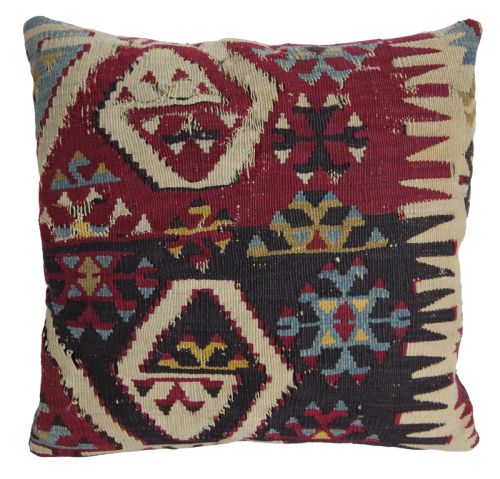
An anatolian scatter rug encompasses both flatwoven kilim cushions and piled carpets originating from Turkish weaving traditions. These textiles arrive in various formats, including mats, area rugs, and repurposed bag faces.
The pieces on this page span the nineteenth and early twentieth centuries, capturing traditional village and nomadic aesthetics. Buyers encounter formats ranging from square mats to lumbar cushions fashioned from older carpet fragments.
Most examples hail from distinct regional centres such as Oushak and Kirsehir, displaying time-worn motifs rooted in tribal heritage. Each textile carries the distinct marks of hand-knotting or flatweaving using traditional village methods.
How they were made
Weavers constructed these textiles predominantly from hand-spun wool and cotton foundations, utilising natural dyes derived from local plants and minerals. The combination of wool pile or flatweave over cotton warps provided structural durability for daily use.
Nomadic and village artisans employed vertical or horizontal looms to execute intricate geometric and tribal patterns entirely by hand. Skilled hands knotted the pile or interlocked the weft yarns to create reversible flatweaves and sturdy bag faces.
Anatolian Scatter Rug Retail Price Guide 2026
Typical asking prices for anatolian scatter rug among the pieces listed under this phrase on Sellingantiques today, from the lower quarter to the upper quarter. They describe what is for sale here now, not the wider market.
Many cushions on display began life as sturdy storage bags carried across the Anatolian plains by nomadic families.
What varies in quality
The integrity of the wool and the vibrancy of the remaining dye palette dictate the visual weight of each piece. Finer knot density and tighter flatweave structures distinguish master village work from simpler utilitarian items.
Preservation of original edges and structural intactness separate exceptional survivals from heavily restored examples. The rhythm of the design layout and precision of the tribal motifs reveal the weaver's individual skill.
The Anatolian Scatter Rug Glossary
- Kilim
- A flatwoven carpet or rug produced by tightly interweaving warp and weft strands without a pile. This technique creates a smooth, reversible textile with distinct geometric patterns.
- Oushak
- A traditional style originating from a major carpet-producing town in western Anatolia known for softer palettes and larger scale motifs. These rugs often utilise high-grade wool.
- Kirsehir
- A Central Anatolian town famous for specific prayer designs and niche motifs executed with rich saturation. Pieces from this region display characteristic village wool work.
- Bag face
- The decorative front panel of a nomad's storage sack, salvaged and converted into a small cushion or hanging. These sections preserve the finest portion of the original weaving.
Anatolian Scatter Rug: Frequently Asked Questions
How do I use these in a room?
These textiles function effectively as small floor accents, wall hangings, or decorative cushion covers in modern and traditional interiors. Their manageable size allows for placement in hallways, beside beds, or upon seating furniture.
Keep them away from direct, harsh sunlight to protect the natural wool fibres and historic dyes. Periodic gentle rotation ensures even wear across the surface of the rug or cushion.
How do I date an antique rug?
Dating relies on examining the specific wool quality, dye characteristics, structural materials, and stylistic motifs present in the weaving. Nineteenth-century examples often display organic irregularity and deeply absorbed natural dyestuffs.
Comparing structural details against known regional types helps narrow down the period of production. Secondary materials like cotton foundation cords also provide clues regarding the era of manufacture.
What makes kilim cushions different?
Kilim cushions are constructed from fragments of older flatwoven rugs sewn together into functional furnishing covers. They retain the original tribal weave and dye character of the parent textile.
This repurposing gives fragile or damaged carpets a new lease of life as durable scatter cushions. Each cushion preserves a distinct slice of traditional nomadic artistry.