

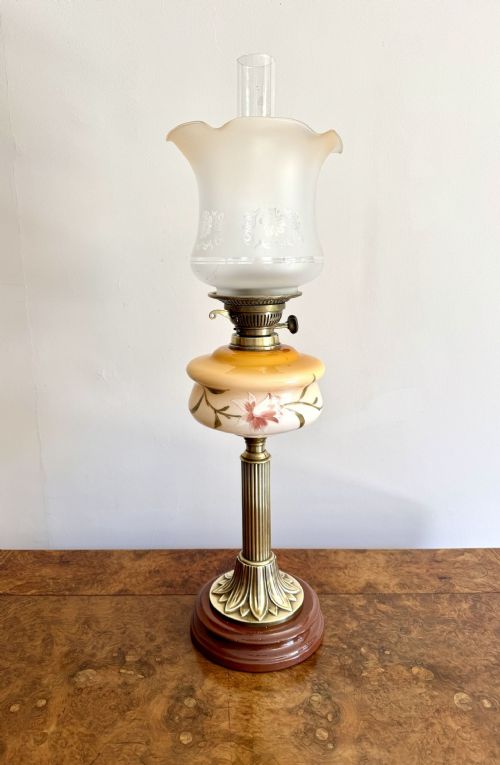


Amber Glass Light Shade
An amber glass light shade brings a warm, atmospheric glow into a room, filtering light through rich honey tones.
Amber Glass Light Shade
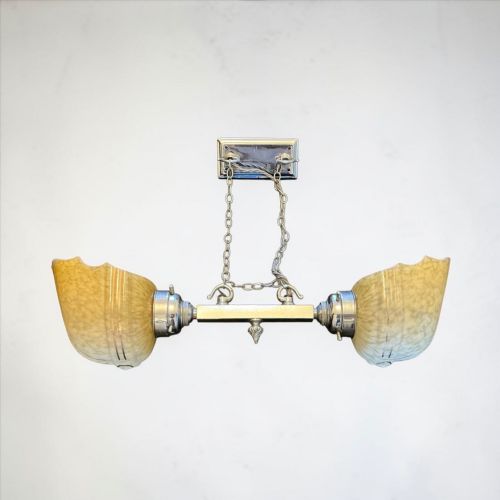
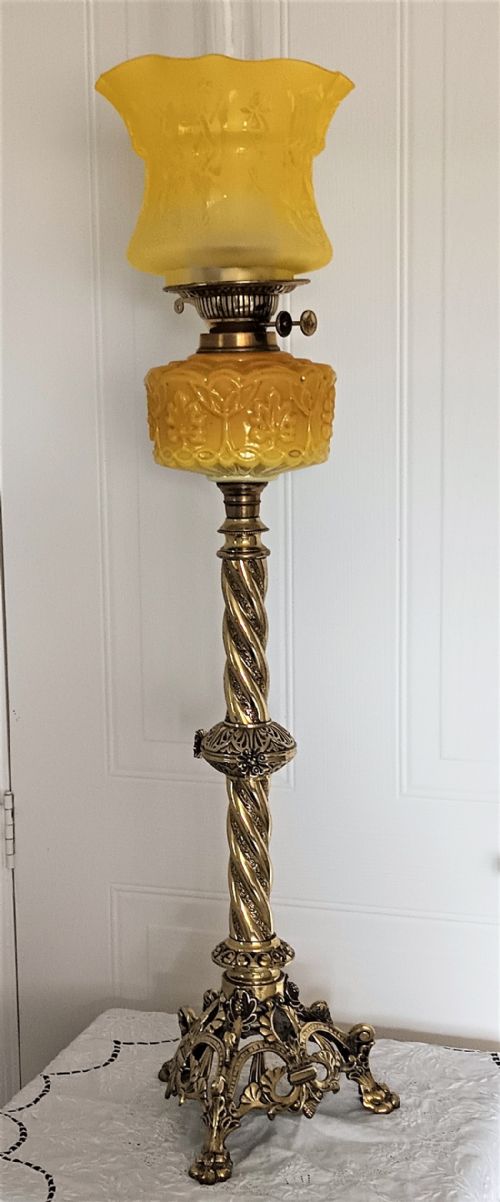
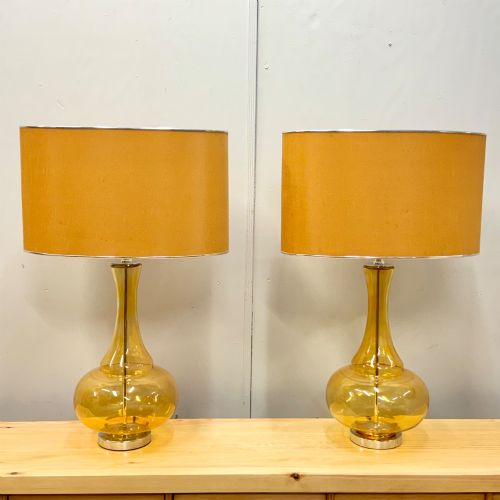
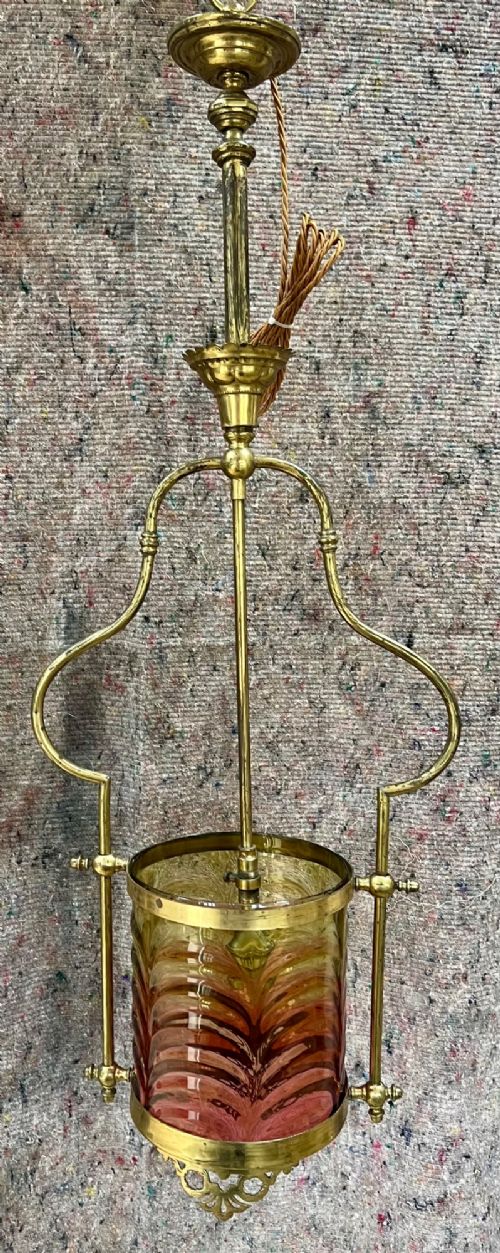
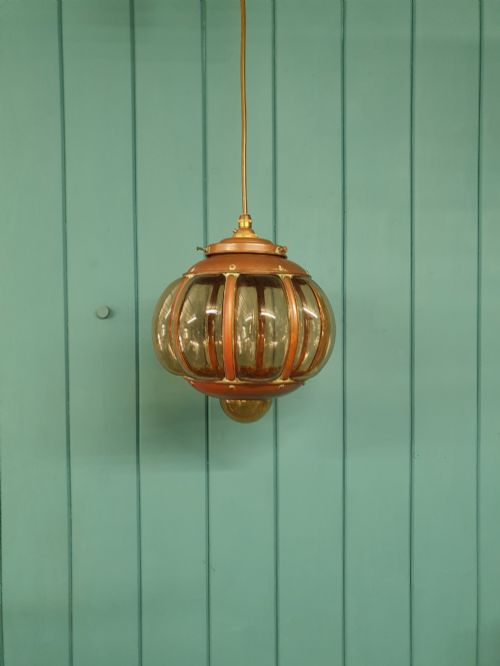
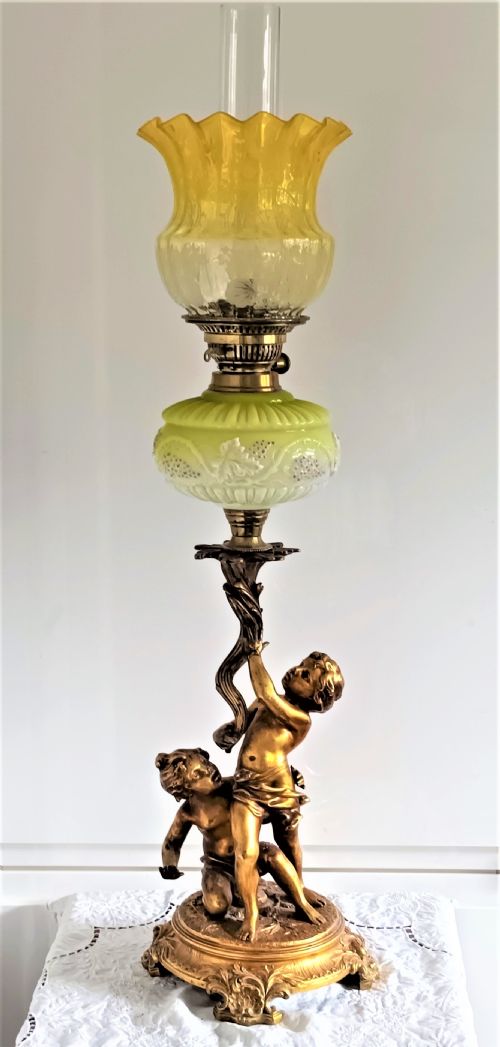
An amber glass light shade is a functional and decorative vessel designed to diffuse illumination while adding a distinct caramel or golden hue to an interior space. These fixtures appear across a variety of forms, including pendant lights, ceiling lights, wall sconces, and lampshades.
The selections available range from geometric Art Deco designs to earlier Edwardian and Victorian creations. Buyers encounter pieces spanning several decades, reflecting the shifting tastes in domestic lighting from the late nineteenth century through to the mid-twentieth century.
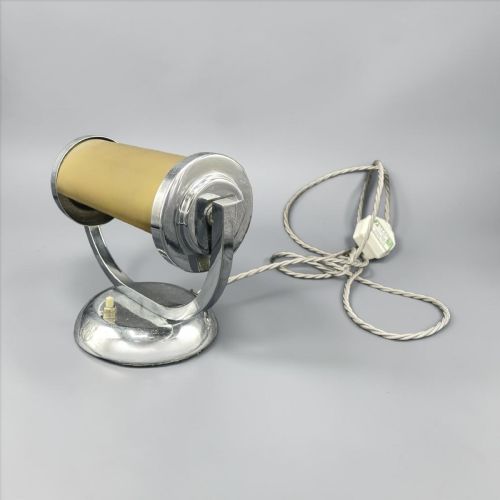
Many examples incorporate supportive metalwork, such as brass, cast metal, wrought iron, or chrome, paired directly with the glass element. This category encompasses both standalone shades and complete hanging or wall-mounted lighting assemblies.
How they were made
The manufacture of these items relies on the combination of moulded or blown glass with structural metal components. Makers utilised amber glass, sometimes frosted, etched, or beaded, to achieve specific decorative effects and light diffusion.
Metal mounts, frames, and galleries in brass, copper, cast metal, and wrought iron were shaped to secure the glass shades safely. These foundational materials were often patinated, gilded, or left with their natural metallic finish depending on the prevailing style of the period.
Amber Glass Light Shade Retail Price Guide 2026
Typical asking prices for amber glass light shade among the pieces listed under this phrase on Sellingantiques today, from the lower quarter to the upper quarter. They describe what is for sale here now, not the wider market.
Design styles span from Victorian and Arts and Crafts to Art Nouveau, Art Deco, and Mid-Century Modern.
What varies in quality
Quality in these pieces is determined by the depth and clarity of the glass colour, alongside the weight and finish of the accompanying metalwork. Superior examples display careful attention to proportion, robust construction in materials like brass or wrought iron, and refined decorative details such as etching or slip moulding.
The integrity of the physical components, from the thickness of the glass to the solidity of the fixings, marks the distinction between standard production items and finer specimens. Original patination on metal parts and the survival of matching pairs or suites add further differentiation.
The Charles Parker Company·Verrerie Des Vosge
The Amber Glass Light Shade Glossary
- Amber glass
- Glass coloured through the addition of various metallic oxides during melting, yielding hues from pale honey to deep cognac. This material softens electric or oil illumination significantly.
- Slip shade
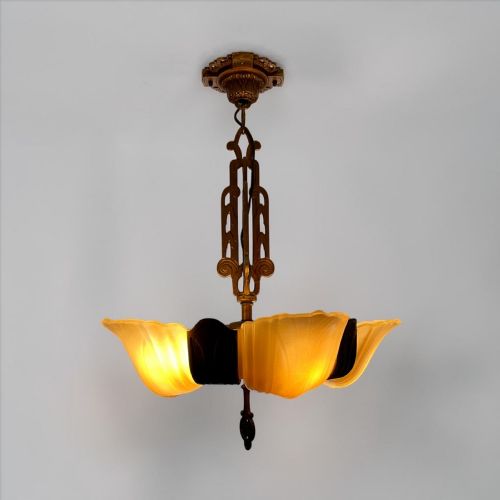
- A moulded glass shade designed to fit directly into a metal frame or multi-part ceiling fixture, frequently associated with Art Deco lighting designs. These pieces often feature geometric or stylised relief patterns.
- Pendant light
- A hanging light fixture suspended from the ceiling by a cord, chain, or metal rod. It positions the shade at a lower level to direct illumination downward.
- Patinated brass
- Brass that has developed a natural or chemically induced surface sheen over time through oxidation. This ageing process deepens the tone of the metal.
- Wall sconce
- A decorative light fixture affixed directly to a vertical wall surface, projecting illumination outward and upward into a room.
Amber Glass Light Shade: Frequently Asked Questions
How do I clean an amber glass light shade?
Remove the shade carefully from its metal fitting and wash it in lukewarm water with a mild, non-abrasive detergent. Dry it thoroughly with a soft cloth to prevent water spots.
Avoid using harsh chemical cleaners or abrasive scouring pads, as these can damage the surface of the glass or any subtle etched decoration.
Can I use modern bulbs with these antique shades?
Most antique shades can accommodate modern LED bulbs, provided the physical dimensions and wattage limits match the existing lamp holder. Check the fitting size and ensure the bulb does not generate excessive heat within an enclosed glass enclosure.
Rewiring may be necessary for older fixtures to comply with current safety standards before installation.
What periods do these light shades come from?
The pieces span several decades, ranging from the nineteenth century through the Edwardian era and into the interwar period. Art Deco designs from the nineteen thirties are particularly common among the surviving selections.
Earlier Victorian and Edwardian examples often feature oil lamp conversions or more ornate brass structures.
Are these light shades sold with their original metal fixtures?
Many listings include the original metal components, such as brass galleries, chains, wrought iron brackets, or cast metal frames. Some pieces are sold as standalone shades, while others form part of a matched pair or a larger suite of light fittings.
Review the individual description to confirm whether the hanging hardware or table lamp base is original to the glass shade.