




Amber Gemstone Jewellery
Amber gemstone jewellery brings together warm organic resins and precious metals, offering centuries of lapidary tradition.
Amber Gemstone Jewellery
Amber gemstone jewellery encompasses rings, drop stud earrings, and bead necklaces shaped from fossilised tree resin. These pieces frequently incorporate precious metals such as sterling silver, nine carat gold, and eighteen carat gold alongside complementary stones.
The selection on this page ranges from mid twentieth century raw polish beads and silver drop earrings to earlier designs. Buyers encounter diverse stylistic influences, including modern vintage, Baltic folk, and Celtic revival motifs.
Earrings and necklaces dominate the current forms, often paired with matching silver or gold settings. Each item reflects distinct historical periods from the Victorian era through the nineteen fifties.
How these pieces were made
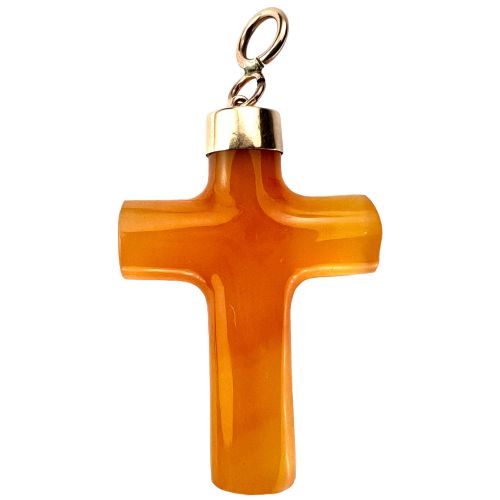
Craftsmen utilised natural organic resin, shaping amber into polished beads, cabochons, and drops for necklaces and earrings. These warm stones are securely mounted in fabricated silver and gold settings.
Metalworkers employed traditional techniques to form sterling silver and nine carat gold mounts, incorporating secure clasps, pins, and wire hooks. Some items feature detailed metalwork such as Celtic style frameworks and stamped silver hallmarks.
Amber Gemstone Jewellery Retail Price Guide 2026
Typical asking prices for amber gemstone jewellery among the pieces listed under this phrase on Sellingantiques today, from the lower quarter to the upper quarter. They describe what is for sale here now, not the wider market.
Current listings feature items from the Victorian, Edwardian, nineteen twenties, nineteen thirties, and nineteen fifties periods.
What varies in quality
Quality in amber gemstone jewellery rests on the clarity and depth of the fossilised resin, alongside the weight and purity of the surrounding precious metal. Heavier gold and silver mounts demonstrate superior craftsmanship compared to lighter settings.
The precision of the stone setting and the integrity of the metalwork distinguish standard production from finer pieces. Well preserved silver marks and clean polish on the amber enhance the overall standard of the work.
The Amber Gemstone Jewellery Glossary
- Cabochon
- A gemstone with a smooth, rounded, convex surface and a flat base, lacking facets. This cut is frequently utilised for displaying the natural inclusions within amber.
- Sterling silver
- An alloy consisting of ninety two point five percent silver and seven point five percent other metals, typically copper. This material provides durability for rings, bracelets, and trinket boxes.
- Citrine
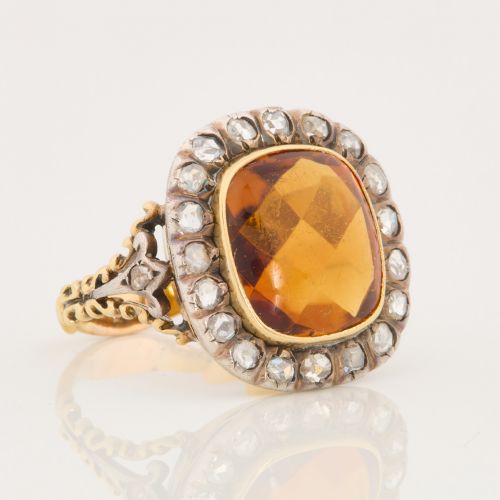
- A transparent, yellow to orange variety of quartz often found alongside gold and silver settings. It shares visual warmth with amber pieces in period jewellery.
- Cluster ring
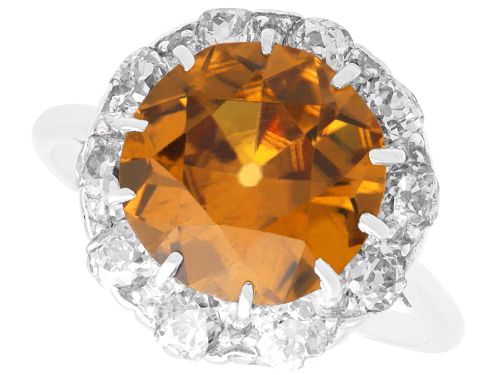
- A ring design featuring a central gemstone surrounded by a cluster of smaller stones such as diamonds or zircon. This arrangement maximises light reflection around the primary gem.
- Hallmark
- An official stamp applied to precious metals indicating purity, origin, and assay office. These marks appear on items like silver trinket boxes and jewellery mounts.
Amber Gemstone Jewellery: Frequently Asked Questions
What periods do these pieces date from?
The inventory spans several distinct eras, beginning with the Victorian and Edwardian periods. Later examples include Art Deco designs and nineteen fifties modernist pieces.
Specific stylistic markers help distinguish each era. Items range from traditional Victorian gold work to mid twentieth century raw polish amber necklaces.
How should I care for amber jewellery?
Amber is a soft organic resin that requires gentle cleaning using a soft cloth and lukewarm water. Avoid harsh chemicals, ultrasonic cleaners, and excessive heat.
Store pieces separately in soft pouches to prevent scratching from harder gemstones like diamonds or topaz. Regular inspection of the silver or gold settings ensures the stones remain secure.
What metals are used in these settings?
Makers utilised sterling silver, nine carat gold, eighteen carat gold, and platinum for mounts and chains. Silver frequently appears alongside amber drops and Celtic revival motifs.
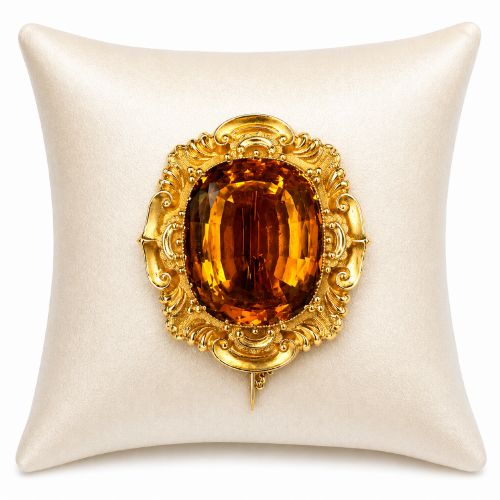
Gold and platinum are typically reserved for cluster rings, pendants, and items paired with diamonds or citrine. Metal marks and hallmarks often provide verification of the composition.
Are all amber items polished?
Not all pieces feature smooth, high gloss finishes; some utilise raw polish amber beads. These variations depend on the specific style, ranging from mid twentieth century casual wear to traditional Baltic folk designs.
Both polished cabochons and raw amber showcase the natural organic inclusions within the resin. The choice of finish directly influences the texture and visual character of the jewellery.